Scuba diving is more than just an adventure; it's an opportunity to explore the mesmerizing underwater world teeming with vibrant marine life and stunning seascapes. Whether you're a seasoned diver or aspiring to take the plunge for the first time, understanding the fundamentals and preparing adequately can make your experience extraordinary.
Getting Started: Gear Up for the Dive
Your scuba gear is your lifeline underwater, so choosing the right equipment is crucial. A standard scuba diving kit includes a mask, snorkel, fins, wetsuit or drysuit, buoyancy control device (BCD), regulator, and dive computer. Investing in high-quality gear ensures your safety and enhances comfort during the dive.
Key Equipment
- Mask:
- Snorkel:
- Fins:
- Wetsuit/Drysuit:
- Buoyancy Control Device (BCD):
- Regulator:
- Dive Computer:
Dive Training and Safety
Before embarking on your scuba adventure, obtaining proper training from a reputable diving school is essential. Certifications from organizations like PADI or NAUI are recognized worldwide and provide comprehensive training for different levels of diving proficiency.
Importance of Safety
While scuba diving is thrilling, it comes with inherent risks. Following safety protocols is paramount to a safe and enjoyable experience:
- Pre-Dive Checks:
- Dive with a Buddy:
- Ascend Slowly:
- Monitor Air Supply:
Top Diving Destinations
Now that you're equipped and trained, it’s time to explore some of the world’s best diving locations:
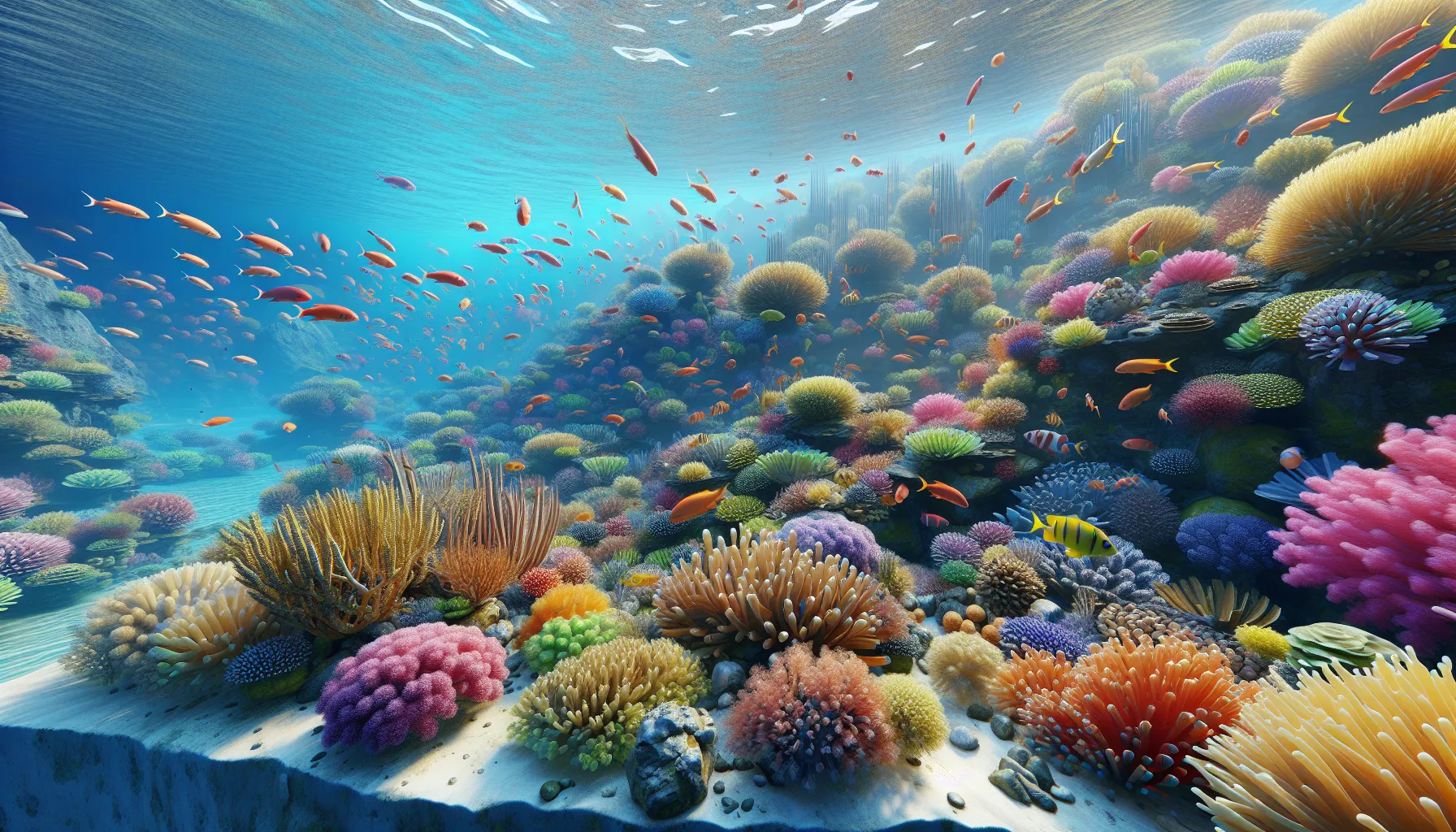
Great Barrier Reef, Australia
The Great Barrier Reef is a diver’s paradise, offering a kaleidoscope of coral formations and marine life. From colorful reef fish to majestic sea turtles, every dive is a visual feast. Visibility is excellent, making it ideal for underwater photography.
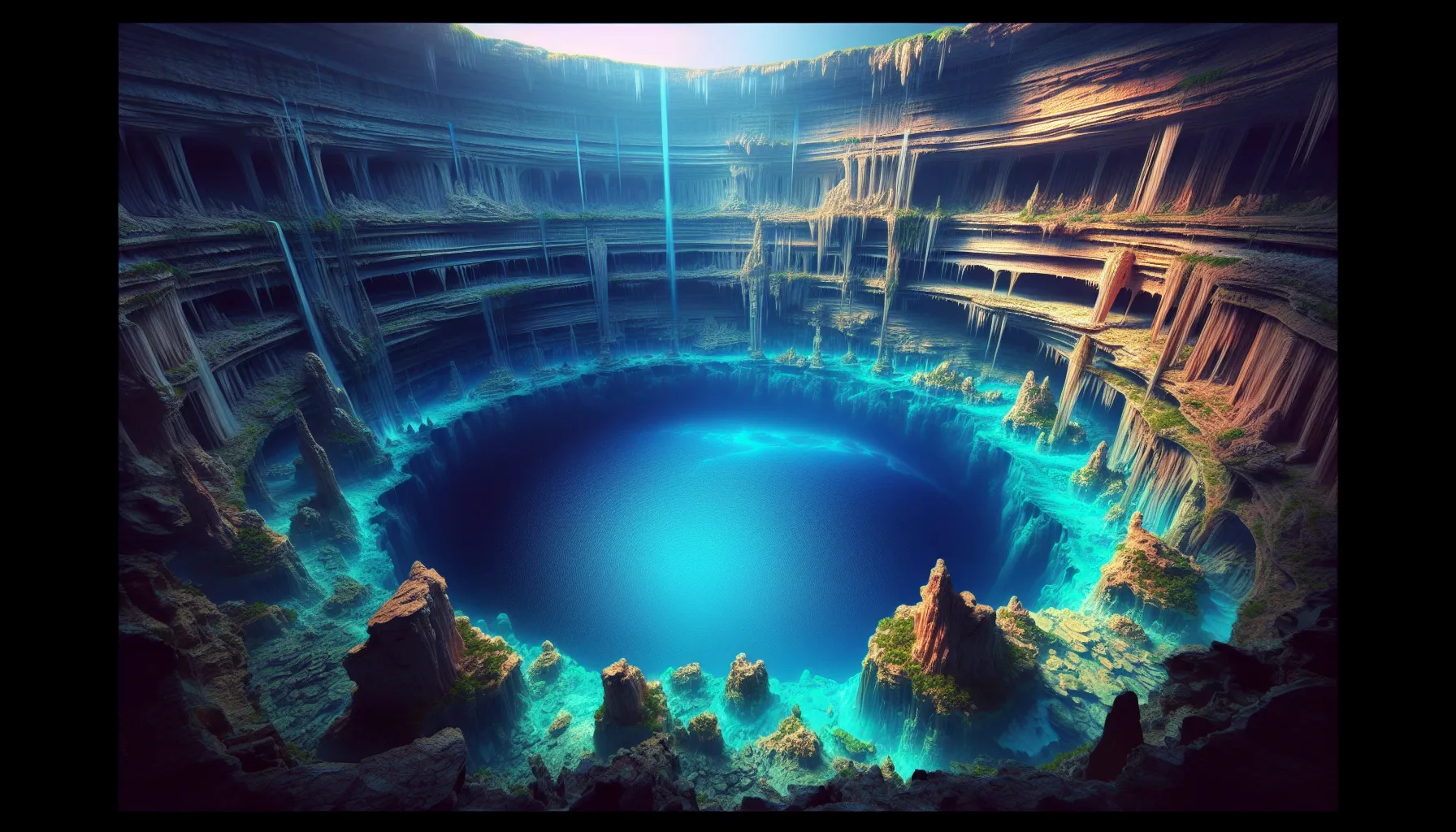
Blue Hole, Belize
This iconic sinkhole attracts divers worldwide with its crystal-clear waters and incredible depth. Descending into the Blue Hole, you’ll encounter unique geological formations and vibrant aquatic species, making it a bucket-list experience.
Encountering Marine Life
Diving provides a rare chance to witness marine life up close. Common sightings include:
- Tropical Fish:
- Sharks:
- Sea Turtles:
- Coral Reefs:
Preserving Our Oceans
As divers, we play a crucial role in ocean conservation. Follow these practices to protect underwater ecosystems:
- Avoid Touching:
- Respect Marine Habitats:
- Leave No Trace:
By embracing responsible diving practices, we contribute to the preservation of our precious marine ecosystems for future generations to enjoy.