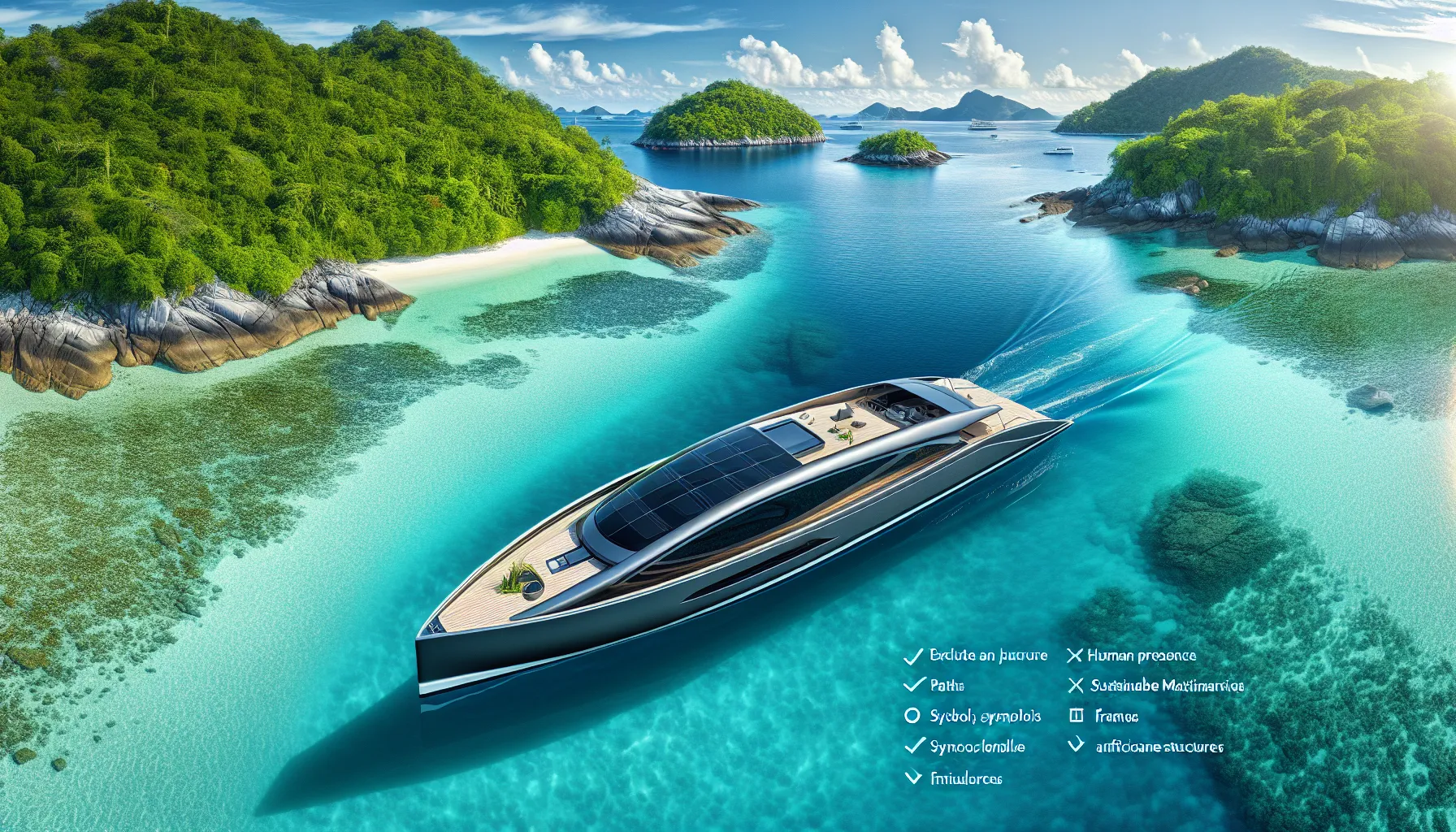
The lure of the ocean calls irresistibly to the adventurous at heart. But as the popularity of maritime adventures grows, so does our responsibility to protect the delicate ecosystems beneath the waves. In this article, we dive into the world of eco-friendly sea adventures, exploring how you can enjoy thrilling maritime experiences while contributing to marine conservation.
Discovering Eco-Friendly Adventures
Our journey begins at one of the world's most iconic marine treasure troves, the Great Barrier Reef in Australia. This natural wonder is not just a hotbed for vibrant marine life but also a hub for conservation efforts. Companies like Eco Reef Tours offer snorkeling and diving excursions with expert guides trained in marine biology. They teach participants about the reef's biodiversity while ensuring all activities have minimal environmental impact.
Moving across the Pacific, the Galápagos Islands present another extraordinary place for eco-conscious adventurers. Here, you can partake in guided kayak tours, allowing you to glide silently alongside sea turtles and playful sea lions. Local operators emphasize strict adherence to the conservation rules set by the Galápagos National Park, ensuring that human activities do not interfere with wildlife.
Real-Life Conservation Stories
While thrilling activities attract adventurers, it's the real-life conservation stories that leave a lasting impact. Take the Monterey Bay National Marine Sanctuary in the United States, for instance. This marine sanctuary is dedicated to research and public awareness. Eco-friendly boat tours allow visitors to witness the splendor of breaching humpback whales and playful dolphins, all the while learning about the sanctuary's ongoing efforts to combat pollution and protect marine habitats.
The Technical Side: Sustainable Practices
For those keen on understanding the technicalities, eco-friendly maritime adventures incorporate several sustainable practices. Hybrid and electric boats are becoming more popular, dramatically reducing the carbon footprint. These vessels operate quietly, reducing noise pollution that could disturb marine life. Biodegradable sunscreens and responsible waste disposal systems are also emphasized to ensure that human presence leaves no trace.
Scuba divers and snorkelers are educated on proper etiquette, such as not touching coral reefs and maintaining a safe distance from marine animals. These small yet significant actions contribute to preserving the underwater world for future generations to enjoy.
Getting Involved
Engagement goes beyond being a responsible tourist; it includes active involvement in conservation projects. Many operators offer 'voluntourism' packages where participants can join research teams in tagging endangered species, cleaning beaches, or restoring coral reefs. This hands-on approach not only enriches the travel experience but also instills a deeper appreciation for marine life's fragility and resilience.
Eco-friendly sea adventures offer a unique blend of excitement and education, creating memorable experiences that foster a love for our oceans and a commitment to their preservation. By choosing sustainable practices and supporting conservation-centric tours, adventurers can ensure that the seas remain a vibrant sanctuary for marine life. So, gear up, set sail, and become a guardian of the oceans with Barca Life!