The landscape of industrial automation is shifting at an unprecedented pace. No longer confined to the sprawling assembly lines of automotive giants, robotics is becoming an increasingly accessible and vital tool for businesses of all sizes. This democratization is fueled by innovations that extend far beyond the robot arm itself. Success in modern automation is a holistic endeavor, hinging on the synergy of intelligent tools, robust infrastructure, and strategic lifecycle planning. In this article, we'll explore three pivotal trends that are shaping the future of the industry and enabling companies to achieve new levels of efficiency and productivity.
Trend 1: The Rise of Specialized, High-Performance End-of-Arm Tooling (EOAT)
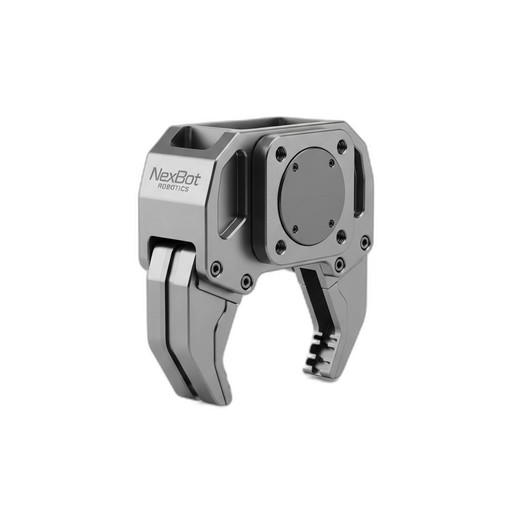
A robot is only as capable as the tool at the end of its arm. The industry has moved past the era of generic, one-size-fits-all grippers. The current trend is toward highly specialized, intelligent end-effectors designed for specific applications, materials, and environments. This specialization is a primary driver of ROI, as it allows robots to perform tasks with greater speed, precision, and safety.
A prime example of this trend is the evolution of magnetic grippers. Early designs were often energy-intensive and posed risks if power was lost. Today, advanced solutions like the NexBot Drives MAG414-006 Magnetic Gripper showcase the new standard. Utilizing electro-permanent magnet technology, it consumes energy only when switching its state (on or off), making it incredibly efficient. More importantly, it maintains its powerful grip even during a power failure, ensuring workpiece and personnel safety. With the ability to handle ferrous materials up to 45 kg, such tools unlock automation possibilities in metal fabrication, machine tending, and press-to-press transfer lines where reliability is non-negotiable.
Trend 2: Unwavering Focus on Component Reliability and Connectivity
As automation systems become more complex and integrated, the focus has shifted to the foundational components that ensure their seamless operation. A sophisticated robotic cell can be brought to a standstill by a single faulty cable or connector. Consequently, there's a growing demand for industrial-grade components designed for longevity and high-fidelity data transmission, which are the bedrock of Industry 4.0.
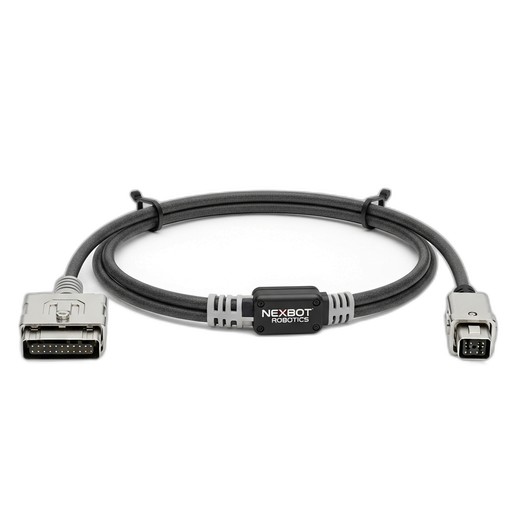
This trend emphasizes the importance of the 'unseen' heroes of the factory floor. Encoder cables, for instance, are critical for relaying precise position and velocity data from motors to controllers, enabling the accurate motion that defines robotics. A product like the NexBot Drives ENC521-006 Encoder Cable is more than just a wire; it's an engineered component. Built to withstand the rigors of a dynamic industrial environment—including torsion, abrasion, and electrical noise—it ensures data integrity. Furthermore, its use of standardized, high-speed protocols like PROFINET is essential for the real-time communication required in modern, networked manufacturing systems. Investing in high-quality, specification-driven components is a direct investment in uptime and operational consistency.
Trend 3: From Purchase Price to Total Cost of Ownership (TCO)
The conversation around automation investment is maturing. Forward-thinking companies are looking beyond the initial capital expenditure and are instead evaluating the Total Cost of Ownership (TCO) over the entire lifecycle of their robotic systems. This holistic view accounts for installation, programming, maintenance, downtime, and eventual decommissioning. The goal is no longer just to buy a robot, but to secure a long-term production asset.
This focus on TCO has elevated the importance of service, support, and investment protection. Unexpected downtime and costly repairs can quickly erode the financial benefits of automation. This is where strategic planning for the long term becomes crucial. Service offerings like the NexBot Robotics 922-007 Extended Warranty Plan are a direct response to this trend. By extending comprehensive coverage, businesses can transform unpredictable repair costs into a fixed, manageable operational expense. This provides budget certainty and peace of mind, ensuring that the automation investment continues to deliver value for years to come. It’s a strategic shift from a reactive 'break-fix' model to a proactive, managed approach to asset lifecycle management, safeguarding the very productivity gains the robot was installed to create.
In conclusion, the future of industrial robotics is not just about more powerful arms or faster speeds. It's about building a robust, intelligent, and sustainable ecosystem around the robot. By embracing specialized EOAT, demanding reliability from every component, and adopting a long-term perspective on ownership, businesses can unlock the full potential of automation and secure a competitive edge in the evolving industrial landscape.