Introduction: The Foundation of Robotic Reliability
In any automated facility, the goal is consistent, predictable, and efficient operation. Industrial robots are the backbone of this goal, but like any sophisticated machinery, they require proactive care to prevent costly unplanned downtime. While comprehensive system-level maintenance is essential, a focused, component-level strategy is what truly separates a good maintenance program from a great one. By paying close attention to the individual parts that drive motion, ensure safety, and transmit data, you can significantly extend the life of your robotic assets and maximize your return on investment. This guide will focus on three critical component areas: AC servo motors, collision sensors, and high-reliability connectors.
The Heart of Motion: AC Servo Motor Maintenance
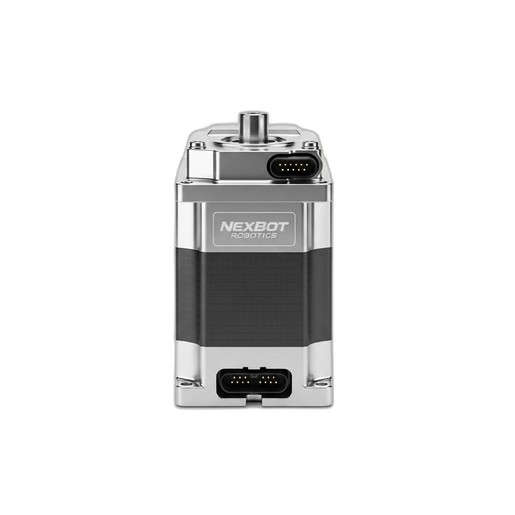
Precision, speed, and torque are the hallmarks of a modern robotic arm, and the AC servo motor is the component responsible for delivering them. A high-performance motor like the NexBot Drives AC111-006 Ac Servo Motor is engineered for durability, but a consistent maintenance routine is key to unlocking its full operational lifespan.
Key Maintenance Checks for Servo Motors:
- Thermal Monitoring: Overheating is a primary indicator of potential failure. Regularly check the motor housing's temperature during operation. An unusual increase in heat can signal issues like bearing friction, excessive load, or electrical problems. Ensure ventilation paths are clear of dust and debris to maintain proper cooling, which is critical for IP65-rated components operating in demanding environments.
- Vibration and Noise Analysis: A smooth, quiet hum is the sound of a healthy servo motor. Listen for any new grinding, whining, or clicking sounds. Use vibration analysis tools periodically to detect subtle changes that could indicate bearing wear or misalignment before they lead to a catastrophic failure. Catching these issues early can turn a major repair into a simple component replacement.
- Connector and Cable Inspection: The power and data connections to the motor are vital. Regularly inspect the cables for signs of abrasion, cracking, or kinking. For the motor's connectors, ensure they are securely fastened and free from contamination. A loose connection can cause intermittent faults that are notoriously difficult to troubleshoot.
The First Line of Defense: Collision Sensor & Bumper Care
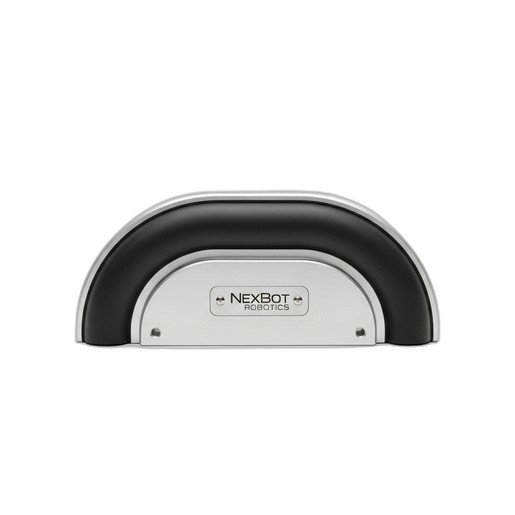
Safety systems are non-negotiable. Collision sensors and bumpers, such as the NexBot Drives 632-006 Collision Sensor Bumper, provide essential protection for both the robot and its surrounding equipment. A malfunctioning safety sensor not only poses a risk but can also trigger false stops that disrupt production. Their maintenance is straightforward but must be diligent.
Key Maintenance Checks for Collision Sensors:
- Regular Functional Testing: The only way to be certain a safety device works is to test it. As part of a weekly or bi-weekly checklist, carefully simulate a collision or press event on the bumper to verify that it sends the correct stop signal to the robot controller. This confirms the integrity of the entire safety circuit, from the sensor to the PLC.
- Visual Inspection: Physically inspect the bumper's surface for cracks, tears, or excessive wear. A compromised surface can allow contaminants to ingress and damage the internal sensing elements. Also, check that all mounting hardware is tight and secure; a loose bumper can fail to actuate correctly in an impact.
- Connection Integrity: Modern sensors often use protocols like IO-Link for diagnostics. Check that the connection is secure and that the diagnostic LEDs on the sensor are indicating normal operation. A quick visual check can confirm that the 24VDC power is stable and the communication link is active.
The Critical Link: Connector Integrity
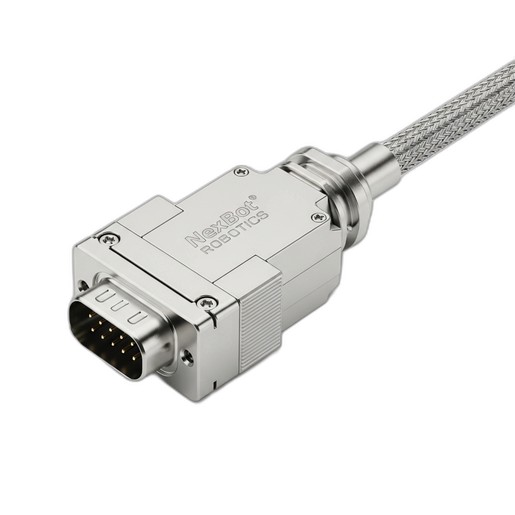
Data and power are the lifeblood of any robotic system, and connectors are the arteries. A single faulty pin in a multi-pin connector can bring an entire workcell to a halt. Rugged, high-reliability components like the NexBot Robotics 532-005 Rectangular Connector are designed with IP67 ratings to withstand harsh industrial environments, but they still require periodic inspection.
Key Maintenance Checks for Connectors:
- Pin and Socket Inspection: During planned downtime, disconnect critical connectors and inspect the pins and sockets. Look for any signs of corrosion, dirt, or bent pins. Use an approved contact cleaner to gently remove any buildup. A bent pin can often be carefully straightened, but if it is fatigued, the entire connector should be scheduled for replacement.
- Seal and Gasket Check: The IP rating of a connector depends on its seals and gaskets. Inspect these for signs of drying, cracking, or compression set. A compromised seal can allow moisture or dust to enter, leading to short circuits and signal degradation over time.
- Latching Mechanism Verification: Ensure the connector's locking or latching mechanism engages securely and provides a positive click or feel. A loose connection can lead to intermittent signal loss due to machine vibration. Also, confirm that cable strain relief is properly installed and preventing force from being applied directly to the connector housing.
Conclusion: Build Your Proactive Maintenance Schedule
By integrating these component-specific checks into your regular maintenance schedule—daily visual inspections, weekly functional tests, and monthly or quarterly deep dives—you build a powerful defense against unplanned downtime. Focusing on the health of your servo motors, safety sensors, and connectors ensures that your robotic systems remain reliable, safe, and productive for years to come.