The Unwavering Priority of Safety in Robotics
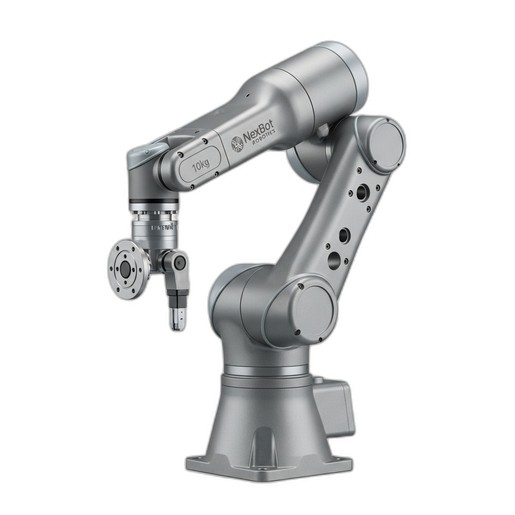
As industrial automation advances, the integration of robotic systems like the NexBot Safety SA011-008 6-Axis Robot Arm into production lines has become a cornerstone of modern manufacturing. These systems offer unparalleled speed, precision, and endurance. However, with great power comes great responsibility. The single most critical aspect of any robotic implementation is the safety of the personnel who work alongside it. A failure in safety design can lead to catastrophic equipment damage, severe production downtime, and, most importantly, serious injury.
Regulatory bodies and international standards, such as ISO 13849-1, provide a framework for designing safety-related parts of control systems. Achieving compliance isn't just about checking a box; it's about fundamentally engineering a work environment where humans and machines can coexist productively and safely. This requires a holistic, multi-layered strategy that begins long before the robot is ever powered on.
The Foundation: A Thorough Risk Assessment
Every effective safety system is built upon a comprehensive risk assessment. This is a systematic process of identifying all potential hazards associated with the robot's operation and evaluating the risks they pose. A proper assessment considers every phase of the robot's lifecycle, including installation, normal operation, programming, maintenance, and decommissioning.
Key questions to address during a risk assessment include:
- What are the motion-related hazards? Consider the robot's full range of motion, speed, and the 10kg payload capacity of a model like the SA011-008. What are the risks of impact or crushing?
- Are there environmental hazards? Think about potential slips, trips, or falls around the workcell, as well as electrical or pneumatic hazards.
- What are the application-specific risks? A robot performing a welding task has different hazards than one performing pick-and-place or assembly.
- How will humans interact with the cell? Will operators need to enter the space for loading parts, quality checks, or troubleshooting?
Once hazards are identified, they must be mitigated according to the hierarchy of controls: elimination, substitution, engineering controls, administrative controls, and finally, Personal Protective Equipment (PPE). For industrial robotics, engineering controls are the most prominent and effective layer.
Layering Your Defenses: From Physical Barriers to Active Sensors
A robust safety ecosystem relies on multiple, often redundant, layers of protection. The goal is to ensure that if one layer fails, another is in place to prevent an accident.
1. Physical Guarding: The most traditional safety measure is fixed perimeter guarding. Fences and interlocked gates create a physical barrier that prevents unauthorized or unintentional access to the robot's operating envelope. Interlocks ensure that opening a gate immediately triggers a protective stop.
2. Non-Contact Presence Sensing: Devices like light curtains and laser area scanners create invisible safety fields. If a person or object breaks the beam, the system signals the robot controller to halt motion safely. These are ideal for protecting access points where materials must be loaded and unloaded.
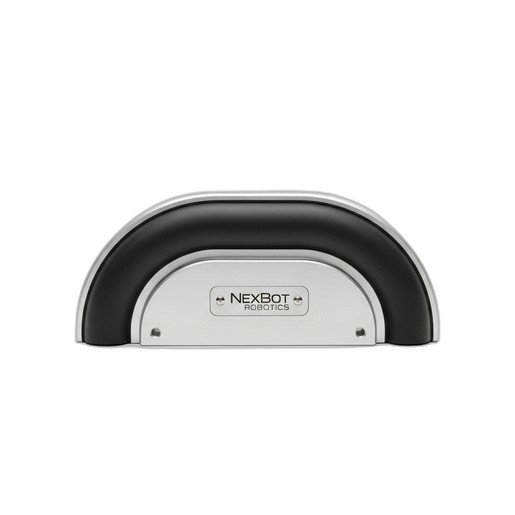
3. Contact-Based Safety Components: In applications where closer interaction is required or unexpected objects can enter the workspace, contact-based sensors provide a critical final layer of protection. The NexBot Drives 632-006 Collision Sensor Bumper (NXB-SNS-632-006) is a prime example of such a device. Mounted on the robot's end-of-arm tooling or other potential impact points, this pressure-sensitive bumper detects physical contact. Upon collision, it immediately sends a signal to the robot's safety controller to initiate a stop command, minimizing potential harm to personnel and damage to the robot or workpiece. Its use of the IO-Link protocol also allows for advanced diagnostics, ensuring the sensor's health is constantly monitored.
The Unseen Hero: System Integrity and Reliable Connections
A safety system is only as strong as its weakest link. The reliability of every single component—from the robot controller to the sensor and the wiring in between—contributes to the system's overall Safety Integrity Level (SIL) or Performance Level (PL). This is where high-quality components become essential.
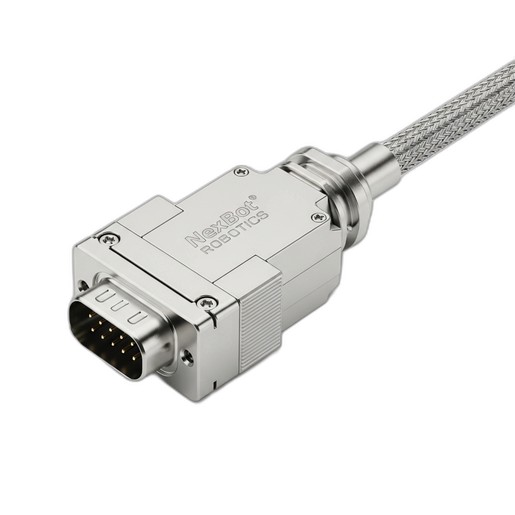
For instance, the signal from a crucial device like the NXB-SNS-632-006 Collision Sensor must reach the controller without fail. This is why robust connectivity is paramount. A component like the NexBot Robotics 532-005 Rectangular Connector (NXB-CBL-532-005), with its rugged design and IP67 rating, ensures a secure and environmentally sealed connection. This rating signifies protection against dust ingress and temporary water immersion, making it suitable for demanding industrial environments where dirt, moisture, or vibrations could compromise a lesser connector. Using reliable, specification-driven components ensures that your carefully designed safety functions will perform as intended when they are needed most.
Conclusion: Safety as a Continuous Process
Creating a safe robotic workcell is not a one-time event. It is a continuous process of design, validation, training, and maintenance. By starting with a thorough risk assessment, implementing layered engineering controls including both non-contact and contact sensors, and building the system with high-integrity components, you can create a production environment that maximizes the benefits of automation while upholding the highest standards of safety. This commitment not only ensures compliance but also fosters a culture of safety that protects your most valuable asset: your people.