The Challenge: Bottlenecks, Downtime, and Safety Concerns
Apex Metalworks, a leader in custom metal component fabrication, faced a series of growing pains that threatened its competitive edge. Their primary production line, responsible for CNC machine tending, was becoming a significant bottleneck. Manual loading and unloading of parts led to inconsistent cycle times, operator fatigue, and a high potential for human error, which manifested as a costly 5% scrap rate on high-value parts.
Furthermore, unplanned downtime was a persistent issue. The maintenance team, while skilled, lacked standardized procedures for critical tasks like servo motor replacement on their aging equipment. This resulted in extended repair times, often stretching a two-hour job into a full shift as technicians navigated complex diagnostics without a formal workflow. Compounding these issues were growing safety concerns around the open-design CNC machines, with near-miss incidents highlighting the need for a more robust safety infrastructure.
Designing a Comprehensive Automation Solution
Recognizing the need for a transformative change, the engineering team at Apex Metalworks partnered with automation specialists to design a robotic cell that would address their core challenges: throughput, quality, safety, and maintainability. The goal was not just to install a robot, but to create a holistic ecosystem that was efficient, safe, and sustainable for their workforce.
The solution centered on a six-axis industrial robot tasked with tending two CNC machines simultaneously. This required a carefully selected set of peripheral components and a forward-thinking approach to workforce development. The project team focused on three critical pillars: precise and versatile part handling, uncompromising operator safety, and empowering their internal maintenance team.
Key Components for Success: Gripping, Guarding, and Growth
To bring their vision to life, Apex Metalworks selected several key components and services from NexBot Robotics, each playing a vital role in the project's success.
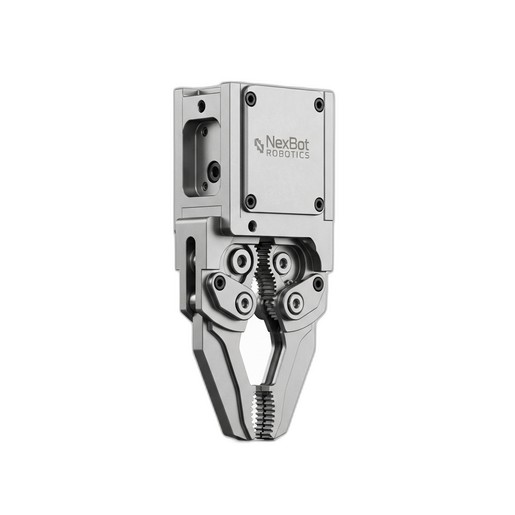
1. Precision Handling with the ELC412-001 Electric Gripper Apex handles a wide variety of part geometries and materials, from delicate aluminum prototypes to robust steel blanks. The chosen end-of-arm tooling needed to be both powerful and gentle. The NexBot Robotics ELC412-001 Electric Gripper was the ideal choice. Its 120mm stroke provided the versatility to handle their entire range of parts without time-consuming changeovers. More importantly, the adjustable force control, configurable up to 400N via IO-Link, allowed operators to program the exact gripping force needed for each specific job. This eliminated part marring, a common issue with their previous manual process, and ensured consistent, secure handling for every cycle. The 24VDC gripper integrated seamlessly with their robot controller, simplifying the electrical design and commissioning process.
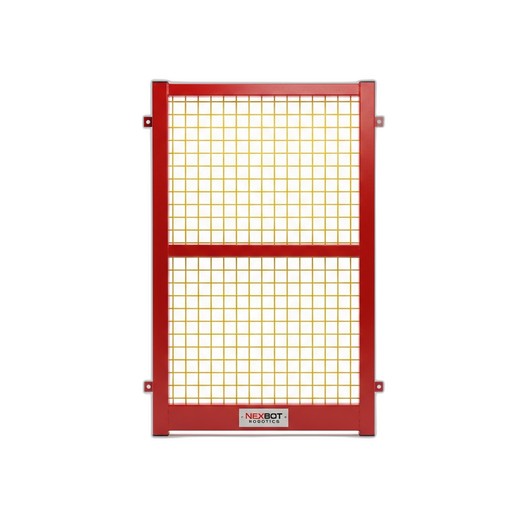
2. Ensuring Operator Safety with Perimeter Guarding Automating the cell meant introducing high-speed robotic motion into the workspace. Protecting personnel was the top priority. The team enclosed the entire robotic cell using NexBot Robotics 611-001 Perimeter Guard Panels. The 2000x1000mm panels, constructed from robust steel wire mesh, created a formidable physical barrier that prevented accidental entry into the robot's operating envelope while still allowing for clear visibility of the process. This visibility was crucial for operators monitoring the cell's performance. The modular nature of the safety fencing system allowed Apex to create a custom layout that fit their floor space perfectly and integrated cleanly with safety interlock doors.
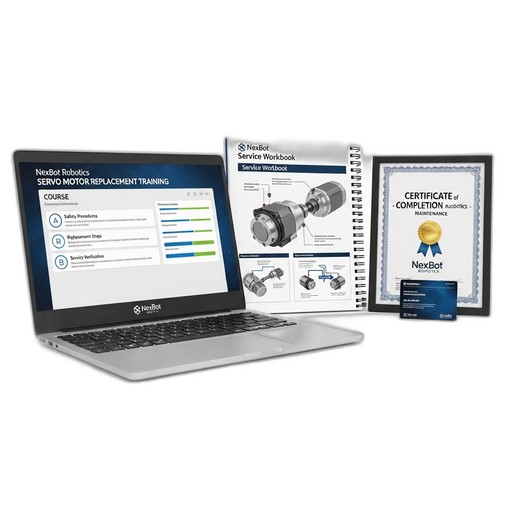
3. Upskilling the Workforce with Online Maintenance Training Apex understood that new hardware was only half the battle. To truly combat downtime, they needed to invest in their people. The maintenance team was enrolled in the Servo Motor Replacement Online Training (NXB-TRN-SRV-ONL) course. This instructor-led online program provided their technicians with a standardized, best-practice workflow for diagnosing servo motor faults, executing safe replacement procedures, and performing post-replacement checks. The training moved them from reactive problem-solving to a proactive, methodical approach. It armed them with the skills to quickly identify the root cause of a motor failure and perform the replacement efficiently and correctly the first time, drastically reducing the time a machine sat idle.
Measurable Results: A New Era of Efficiency
The implementation of the new automated cell delivered transformative results within the first six months of operation:
- Throughput Increased by 25%: The robot's ability to service two CNC machines consistently and without breaks led to a significant increase in the number of finished parts per shift.
- Scrap Rate Reduced from 5% to less than 1%: The ELC412-001 Electric Gripper's precise force control ensured every part was handled without damage, virtually eliminating scrap caused by handling errors.
- Maintenance-Related Downtime Cut by 40%: Shortly after completing the NXB-TRN-SRV-ONL training, the maintenance team resolved a critical servo failure on an adjacent line in under 90 minutes, a task that previously took over four hours. This demonstrated a clear and immediate return on their training investment.
- Zero Recordable Safety Incidents: The new cell, secured with NexBot Robotics perimeter guards, has had zero safety incidents or near-misses since its commissioning, creating a safer environment for all employees.
Conclusion: A Blueprint for Future Growth
The success of this project has provided Apex Metalworks with more than just a productive robotic cell; it has given them a blueprint for future growth. By combining state-of-the-art hardware like precision electric grippers and robust safety systems with a commitment to upskilling their workforce, they have created a more resilient, efficient, and safer manufacturing operation. This strategic investment has not only solved their immediate production challenges but has also positioned them to confidently take on new automation projects in the future.