The High Cost of Unplanned Downtime
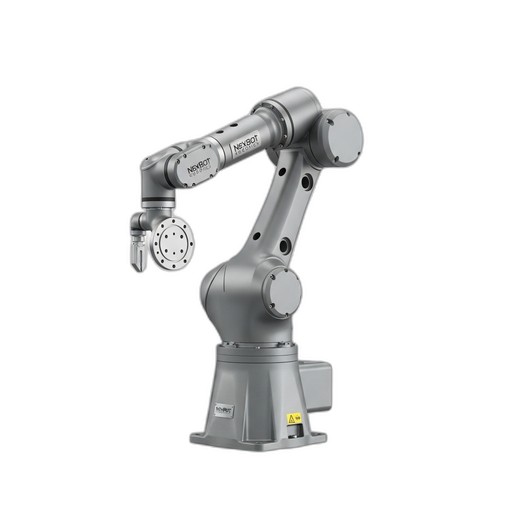
In any automated facility, the steady, rhythmic motion of an industrial robot is the sound of efficiency. When that motion stops unexpectedly, the silence is expensive. Unplanned downtime doesn't just halt one process; it can cause a cascade of delays throughout your entire production line. The costs add up quickly, from lost output and missed deadlines to overtime pay and emergency repair fees. The most effective strategy to combat this is not reactive repair, but proactive, preventive maintenance (PM).
A well-designed PM program is an investment in reliability. By systematically inspecting, cleaning, lubricating, and adjusting your robotic assets, you can identify and address potential issues before they escalate into catastrophic failures. This approach not only maximizes uptime but also extends the operational lifespan of your equipment, ensuring you get the most value from your automation investment.
Building Your Preventive Maintenance Schedule
Creating an effective PM schedule requires a structured approach based on manufacturer recommendations, operational hours, and the specific application environment. A typical schedule is tiered, with checks performed at different frequencies.
- Daily Checks: Simple visual inspections. Look for fluid leaks, frayed cables, loose fasteners, and any unusual noises or vibrations during operation. Ensure safety sensors are clean and unobstructed.
- Weekly/Monthly Checks: More in-depth inspections. This can include cleaning robot arms and controllers, checking grease levels, and verifying the integrity of end-of-arm tooling (EOAT).
- Quarterly/Annual Checks: Comprehensive maintenance tasks. This is the time for tasks like replacing batteries in the controller, lubricating gearboxes, testing motor performance, and performing a full system backup. For high-demand systems like the NexBot Robotics STD031-004 SCARA Robot, which operates at high speeds, these checks are critical to maintaining its ±0.01mm repeatability.
Focus Area 1: The Heart of Motion - Gearboxes
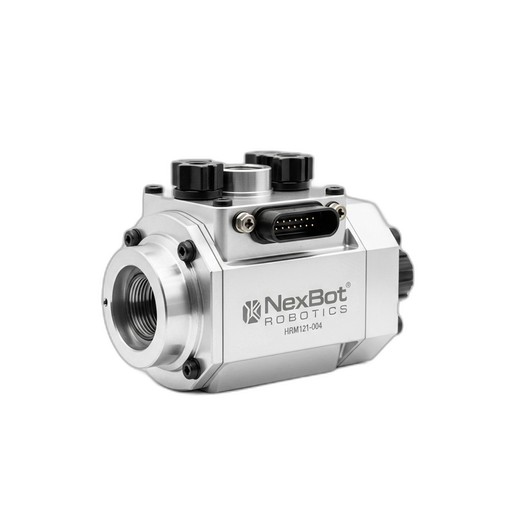
The joints of a robotic arm are its most critical and complex components, and at their core are precision gearboxes. These components are responsible for translating motor power into precise, controlled movement. High-precision gearboxes, such as the NexBot Robotics HRM121-004 Harmonic Gearbox, are engineered for near-zero backlash to deliver exceptional accuracy. Maintaining this level of performance requires careful attention.
Key Maintenance Actions:
- Listen for Changes: An experienced technician can often diagnose developing issues by sound. Any new grinding, whining, or clicking noises from a joint warrant immediate investigation.
- Monitor for Vibration and Heat: Excessive vibration or an unusually hot gearbox housing can indicate lubrication problems or internal wear. Use a thermal camera or contact thermometer to establish a baseline operating temperature and monitor for deviations.
- Check for Backlash: Periodically check for play or 'slop' in the robot's joints. An increase in backlash compromises positioning accuracy and can be a sign of significant wear within the gearbox. For a harmonic drive like the HRM121-004, any perceptible backlash is a serious concern.
- Lubrication: Follow the manufacturer's schedule for checking and replacing gearbox grease. Using the specified lubricant is non-negotiable, as incorrect grease can lead to premature failure.
Focus Area 2: Structural Integrity and Component Bonding
A robot's performance is only as good as its mechanical structure. The constant acceleration, deceleration, and payload stress can take a toll on fasteners, castings, and other structural elements over time. Regular inspections are crucial to prevent mechanical failure.
Key Maintenance Actions:
- Torque Checks: Vibrations can cause critical bolts and fasteners to loosen over time. Periodically check and re-torque all structural and mounting bolts to manufacturer specifications.
- Frame Inspection: Visually inspect the robot's arms and base for any signs of stress fractures or cracks, particularly around joint housings and mounting points.
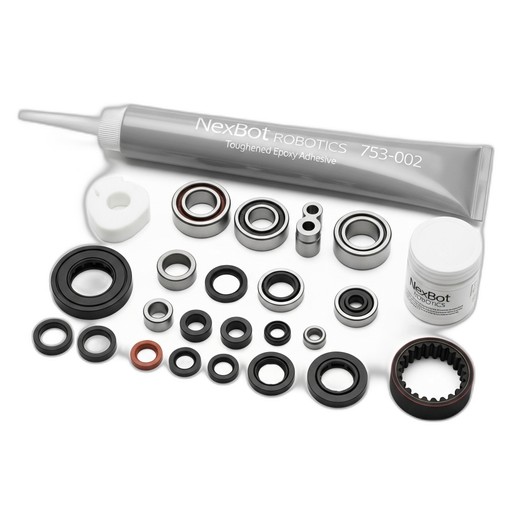
- Approved Structural Repairs: In some cases, minor damage to non-critical housings or composite panels can be addressed without full component replacement. For these approved applications, a high-performance adhesive is essential. The NexBot Drives 753-002 Structural Adhesive is a two-part epoxy specifically designed for bonding metal and composite components in robotic systems. Its 25 MPa shear strength ensures a durable, reliable bond that can withstand the rigors of industrial operation, restoring structural integrity according to specified repair procedures.
Focus Area 3: Cabling and Electrical Systems
The robot's nervous system is its network of electrical cables and control systems. Cable wear is one of the most common failure points in robotic systems due to the constant flexing and twisting motions.
Key Maintenance Actions:
- Cable Inspection: Carefully inspect all external cabling for signs of abrasion, pinching, or cracking in the outer jacket. Pay close attention to the areas with the most movement.
- Connection Integrity: Ensure all connectors at the robot base, joints, and controller are secure and free of contamination. A loose connection can cause intermittent and difficult-to-diagnose faults.
- Controller Cleanliness: Keep the robot controller cabinet clean and ensure cooling fans are operational and their filters are clear of dust. Overheating is a primary cause of electronic component failure.
Conclusion: Maintenance is a Strategy, Not a Chore
Viewing preventive maintenance as a core operational strategy rather than an occasional chore is key to running a successful automated facility. By implementing a robust PM schedule for your robots, you move from a reactive, costly repair model to a proactive, predictable, and highly efficient operational state. Taking care of critical components like the drive gearboxes and structural elements will ensure your NexBot robots deliver the peak performance and reliability you depend on, day in and day out.