In the world of industrial automation, robotic systems are the engines of productivity. At the heart of every articulated robot arm are the servo motors, the high-precision muscles that execute complex tasks with incredible speed and accuracy. When a servo system fails, the entire production line can grind to a halt. The key to maximizing uptime and extending the operational life of your robotic assets isn't just reacting to failures—it's preventing them. This guide provides actionable tips for proactive servo system maintenance.
More Than Just a Motor: The Complete Servo System
A common mistake is to focus maintenance efforts solely on the servo motor itself. In reality, the motor's performance is entirely dependent on its supporting components. A robust maintenance plan must adopt a holistic view of the entire servo system, which includes:
- The Servo Motor: The core component responsible for motion.
- Mounting Hardware: Brackets and fixtures that secure the motor to the robot's structure, ensuring rigidity and precise alignment.
- Power and Signal Cabling: The nervous system that delivers power and transmits critical positioning data via industrial protocols like PROFINET.
Each of these components is a potential point of failure. A loose bracket can cause vibration that leads to premature motor wear, while a degraded cable can introduce communication errors that manifest as erratic robot behavior.
Five Key Indicators of Servo System Wear
Staying ahead of failure means learning to recognize the early warning signs. Train your maintenance staff to look for and report these common symptoms:
- Unusual Noises: A healthy servo motor operates with a smooth, consistent hum. Any new grinding, whining, or clicking sounds often indicate mechanical wear in the bearings or gearbox.
- Positional Inaccuracy or Jitter: If the robot arm overshoots its target, hesitates, or visibly jitters, it could be a sign of encoder problems, tuning issues, or mechanical backlash caused by worn components.
- Increased Operating Temperature: While motors generate heat, a sudden or sustained increase in temperature is a red flag. It can be caused by excessive load, failing bearings, or electrical issues, all of which strain the motor.
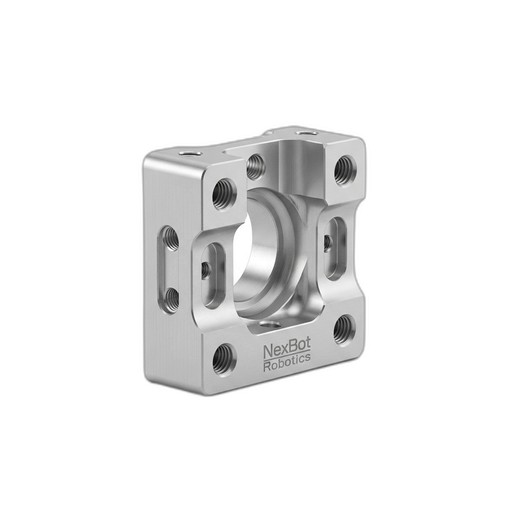
- Excessive Vibration: Using vibration analysis tools can reveal changes in the system's signature long before they are visible to the naked eye. Increased vibration often points to misalignment, which can be caused by a loose or damaged mounting bracket, such as the NexBot Servo Mounting Bracket for R-20 (NXB-MNT-SRV-R20). Regular inspection of these critical structural components is essential.
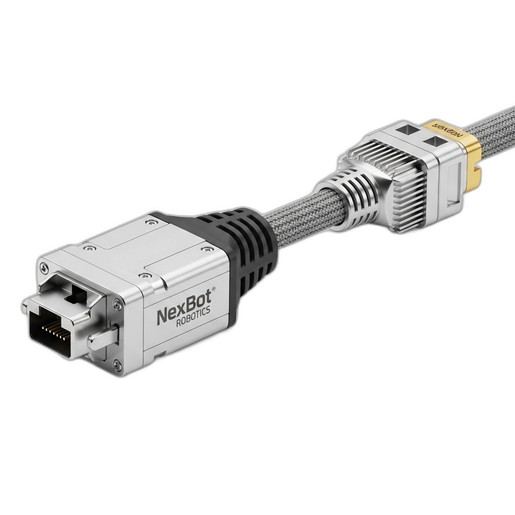
- Intermittent Communication Faults: Controller logs filled with network errors or data loss can be difficult to trace. Before assuming a complex software issue, inspect the physical network layer. A kinked, stretched, or abraded fieldbus cable is a frequent culprit. High-quality, shielded cables like the NexBot PROFINET Patch Cable (NXB-CBL-NET-002) are built for industrial environments, but are still subject to wear and should be a part of any physical inspection routine.
Implementing a Preventive Maintenance Checklist
A structured approach to maintenance is the most effective. Integrate these tasks into your regular schedule:
- Weekly Visual Inspection: Walk the line and visually inspect each robot. Look for frayed cables, loose connectors, and signs of physical damage to mounting hardware. Ensure all fasteners on mounting brackets are torqued to spec.
- Monthly Cable Management Check: Verify that cables have proper strain relief and are not rubbing against abrasive surfaces or being pinched by moving parts. A well-routed cable is a long-lasting cable.
- Quarterly Log Analysis: Review the robot controller's error logs. Look for patterns in faults that could point to a developing hardware issue.
- Bi-Annual Thermal Imaging: Use a thermal camera to check motor and drive temperatures under normal load. Establish a baseline and monitor for deviations over time.
- Annual Professional Inspection: Have a certified technician perform a more in-depth inspection, including vibration analysis and backlash testing.
Standardizing Replacement for Maximum Efficiency
When a component does fail, a swift and accurate replacement is critical. However, a rushed or improper repair can cause even more damage. This is where standardized procedures and proper training become a competitive advantage.
A technician's ability to correctly diagnose a failing servo, safely power down the system, and properly install a replacement part is paramount. The process involves more than just swapping hardware; it requires an understanding of alignment, cable routing, and system software configuration.
To empower your team, consider professional instruction. The Servo Motor Replacement Online Training (NXB-TRN-SRV-ONL) from NexBot is an instructor-led course designed to standardize this critical workflow. It equips your technicians with the diagnostic and mechanical skills needed to perform replacements safely and efficiently, ensuring the job is done right the first time. This investment in knowledge pays dividends by reducing repeat failures and minimizing repair-related downtime.
By combining vigilant monitoring, a structured maintenance schedule, and a well-trained team, you can transform your maintenance protocol from a reactive scramble into a proactive strategy that ensures the longevity and reliability of your entire robotic fleet.