Introduction: The Uncompromising Priority of Safety in Automation
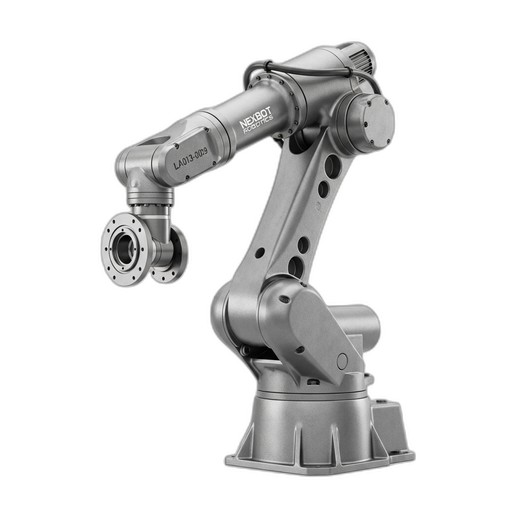
The adoption of industrial robotics has revolutionized manufacturing, bringing unprecedented levels of efficiency, precision, and productivity. As powerful systems like the NexBot Robotics LA013-009 with its 120 kg payload handle demanding tasks, the responsibility to ensure a safe operating environment for human personnel becomes paramount. Safety isn't an afterthought or a checkbox; it's a foundational principle of a successful automation strategy. A robust safety plan not only protects your team but also safeguards your investment by preventing costly downtime, equipment damage, and regulatory penalties. This article will explore the essential pillars of industrial robot safety, from initial risk assessment to ongoing compliance and maintenance.
The Starting Point: Comprehensive Risk Assessment
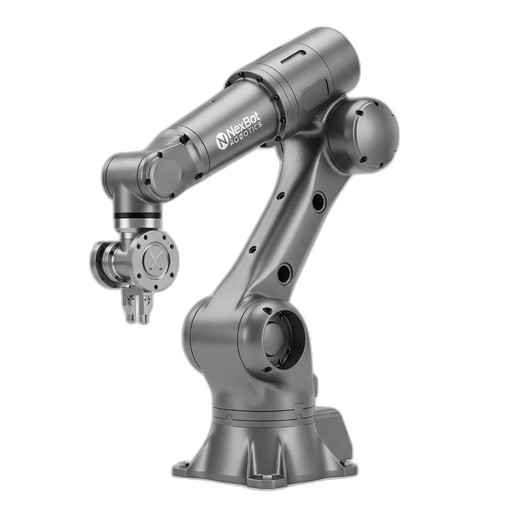
Before a single safety gate is installed, a thorough risk assessment must be conducted. This systematic process involves identifying potential hazards, analyzing the risks associated with those hazards, and evaluating their severity. For any robotic cell, whether it involves a medium-payload arm like the NexBot Safety MA012-008 or a heavy-duty model, the process is crucial.
Key steps in a risk assessment include:
- Identifying Hazards: What are the potential sources of harm? This includes mechanical hazards (impact, crushing, shearing from robot movement), electrical hazards, and ergonomic risks for maintenance personnel.
- Defining the System Limits: Document the robot's full range of motion, speed, and payload capacity. For a robot with a 2550 mm reach like the LA013-009, this entire workspace must be considered a potential hazard zone.
- Analyzing Tasks: Evaluate every interaction humans will have with the system, including normal operation, programming, setup, and maintenance. Each task presents a unique set of risks.
- Estimating Risk: For each identified hazard, determine the likelihood of occurrence and the potential severity of harm. This evaluation helps prioritize which risks require the most immediate and robust mitigation measures.
The output of a risk assessment is not just a list of dangers; it's the blueprint for designing your entire safety system.
Navigating Key Safety Standards: Understanding ISO 13849
International standards provide a framework for designing reliable safety systems. One of the most critical is ISO 13849-1, which deals with the safety-related parts of control systems (SRP/CS). This standard moves beyond simple redundancy and focuses on the probability of a safety function failing.
At its core, ISO 13849-1 introduces two key concepts:
- Performance Level (PL): This specifies the ability of a safety-related control function to perform under foreseeable conditions. PL is ranked from 'a' (low) to 'e' (high), with the required PL (PLr) determined by the risk assessment.
- Category: This describes the architecture of the safety system, outlining its structure and resistance to faults. Categories range from B (basic) to 4 (high redundancy and monitoring).
When integrating a robot, the safety circuits for components like emergency stops, light curtains, and safety interlocks on access gates must be designed to meet the required Performance Level. This ensures that when a safety device is triggered, the control system reliably stops the robot's motion in a safe and predictable manner.
Implementing Safeguards: From Physical Barriers to Intelligent Sensors
Based on the risk assessment, a multi-layered safety solution is implemented. This typically combines several types of safeguarding.
- Physical Guarding: This is the first line of defense. Fixed perimeter fencing is used to prevent unauthorized access to the robot's work envelope. Interlocked gates ensure that the robot enters a safe state (e.g., power removed from motors) before a person can enter the cell.
- Presence-Sensing Devices: These devices detect the presence of a person in a hazardous area. Common examples include:
- Light Curtains: Create an invisible infrared barrier. If the beam is broken, a stop signal is immediately sent to the robot controller.
- Laser Area Scanners: Monitor a two-dimensional area on the floor, often configured with warning zones (slowing the robot) and safety zones (stopping the robot).
- Safety Mats: Pressure-sensitive mats that detect when a person steps into a restricted zone.
- Emergency Stops (E-Stops): Every robot cell must have clearly marked, easily accessible E-stop buttons. These are designed to override all other controls and bring the system to the quickest possible safe stop.
The Critical Role of Maintenance in a Safe System
Safety and compliance are not a one-time setup; they are an ongoing commitment. A well-maintained robot is a predictable and, therefore, safer robot. Mechanical wear, if left unaddressed, can lead to erratic movements, positioning errors, or catastrophic failures, all of which pose significant safety risks.
Preventive maintenance is a non-negotiable aspect of a safety program. This includes:
- Regular Inspections: Visually inspecting cables for wear, checking the integrity of safety guarding, and verifying the function of E-stops and interlocks.
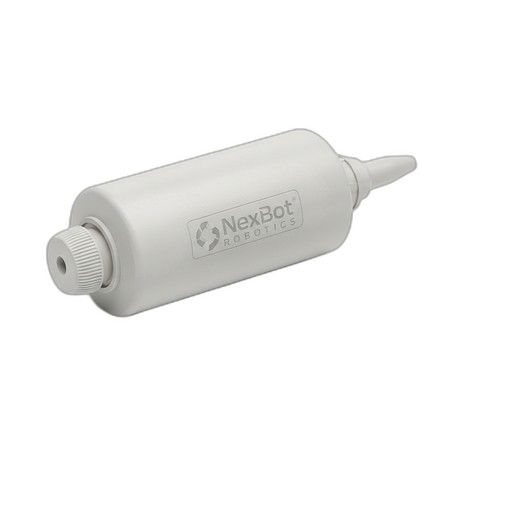
- Scheduled Lubrication: The joints of an articulated robot are subjected to immense forces. Using the correct lubricant, such as the NexBot Robotics 731-004 Joint Grease Cartridge, at manufacturer-specified intervals is crucial. Proper lubrication prevents premature wear on gears and bearings, ensuring smooth, predictable motion and preventing joint seizure that could lead to unexpected and dangerous behavior.
- Functional Testing: Periodically testing all safety functions (light curtains, door interlocks, etc.) to ensure they are operating correctly and haven't been bypassed or tampered with.
By integrating maintenance into your safety protocol, you transition from a reactive to a proactive safety culture, addressing potential failures before they can cause harm.
Conclusion: Building a Culture of Safety
Achieving safety and compliance in an automated facility is a holistic endeavor. It begins with a meticulous risk assessment, is guided by established standards like ISO 13849, and is implemented through layers of physical and electronic safeguards. This foundation is sustained through rigorous operational procedures and a proactive maintenance schedule. By treating safety as an integral part of the system's lifecycle—from design to daily operation and upkeep—you can fully leverage the power of robots like the NexBot Robotics LA013-009 and MA012-008 while ensuring your most valuable asset, your people, remain protected.