In the world of industrial automation, every second counts. The smooth, relentless motion of a robotic arm is the heartbeat of a modern production line. But when that heartbeat stops, the costs mount with alarming speed—lost production, missed deadlines, and expensive emergency repairs. The traditional 'run-to-failure' approach to maintenance is no longer viable. To stay competitive, manufacturers must embrace a proactive strategy, combining time-tested preventive maintenance with data-driven predictive techniques. This guide will walk you through the essential elements of a robust maintenance program that keeps your automation assets, from the robot base to the gripper, operating at peak performance.
Building the Foundation: The Preventive Maintenance Schedule
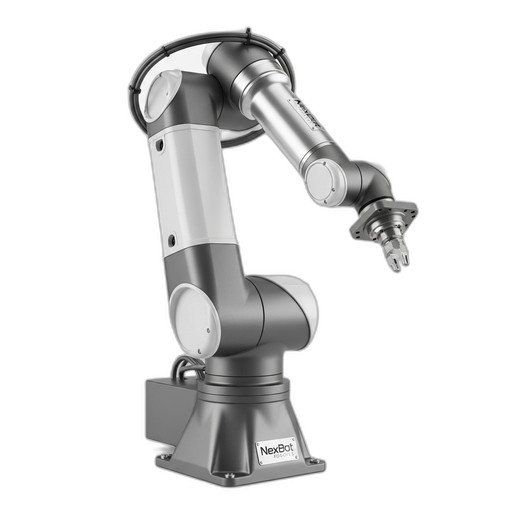
A structured Preventive Maintenance (PM) schedule is the cornerstone of any reliable robotics program. It involves routine checks and service tasks performed at regular intervals to prevent failures before they occur. For a high-precision robot like the NexBot Robotics CLR032-004 Cleanroom SCARA, which operates with a repeatability of just ±0.01 mm, even minor deviations can impact quality. A comprehensive PM plan for such a system should be documented and diligently followed.
Key PM tasks include:
- Visual Inspection: Regularly check for visible signs of wear and tear, such as frayed cables, cracked hoses, or loose fasteners. Pay close attention to the robot's primary axes and any external energy chains.
- Lubrication: Robots contain numerous moving parts, including gears and bearings, that require proper lubrication to minimize friction and wear. Follow the manufacturer's recommendations for lubricant types and application intervals precisely.
- Backlash and Belt Tension Checks: For robots utilizing belts and gearboxes, checking for proper tension and minimal backlash is crucial for maintaining accuracy. Over time, belts can stretch and gears can wear, affecting the robot's ability to hit its target points accurately.
- Controller and Cabinet Cleaning: Dust and debris can accumulate in the robot controller cabinet, leading to overheating and electronic component failure. Ensure fans are operational and filters are clean to maintain proper airflow.
- Backup and Verification: Regularly back up the robot's programming and configuration data. In the event of a critical failure, having a recent backup can save hours or even days of reprogramming and setup time.
Listening to Your Robot: The Power of Predictive Maintenance
While preventive maintenance is essential, it operates on a fixed schedule, meaning parts are sometimes replaced before the end of their useful life. This is where Predictive Maintenance (PdM) offers a significant advantage. By using sensors to monitor the real-time condition of equipment, you can predict failures and schedule maintenance only when it's truly needed.
Vibration analysis is one of the most powerful PdM techniques for robotics. Every rotating component, from a motor to a gearbox, has a unique vibration signature when operating correctly. Deviations from this baseline signature are often the earliest indicators of developing problems like bearing wear, gear tooth damage, or imbalance.
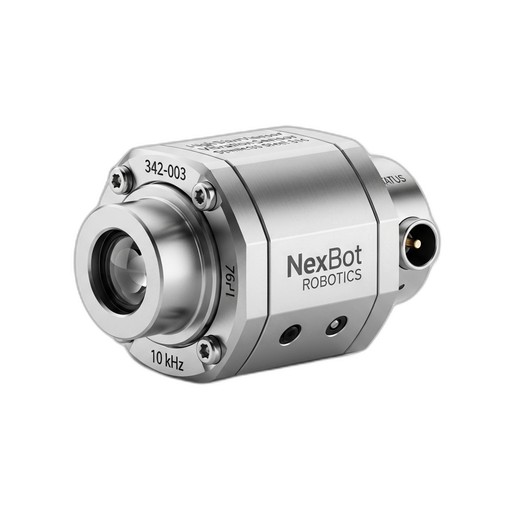
The NexBot Vision 342-003 Vibration Sensor is designed specifically for this purpose. With its wide 10 kHz frequency range, it can detect subtle, high-frequency vibrations that signal incipient faults long before they become audible or cause a catastrophic failure. By mounting a sensor like this on the critical joints of a robot like the CLR032-004, maintenance teams can monitor the health of its drivetrain. The sensor's IO-Link protocol simplifies integration, allowing vibration data to be streamed directly to a PLC or higher-level monitoring system. This data enables a shift to condition-based maintenance, where an alert is triggered when a vibration threshold is crossed, allowing technicians to investigate and resolve the issue during the next planned stoppage.
The Critical Last Inch: Maintaining End-of-Arm Tooling (EOAT)
The robot arm itself is only one part of the automation cell; the End-of-Arm Tooling (EOAT) is what interacts directly with the product. An EOAT failure is a system failure. A pneumatic gripper, for instance, is a workhorse component that requires its own maintenance focus.
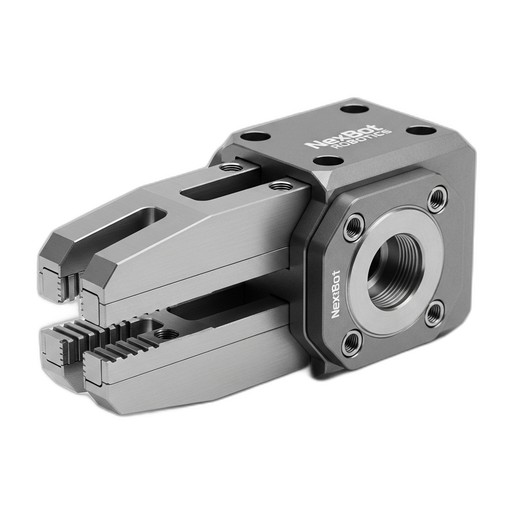
The NexBot Robotics PNU411-004 Pneumatic Gripper, which delivers a consistent 160 N of gripping force, relies on clean, dry compressed air and mechanical integrity to function correctly. Common failure points include:
- Air Leaks: Degraded seals or damaged pneumatic lines can cause air leaks, reducing gripping force and leading to dropped parts. This also wastes energy by making the air compressor work harder.
- Jaw Wear and Misalignment: The gripper jaws and the mechanism that drives them can wear over time, especially in high-cycle applications. This can lead to inconsistent gripping and part positioning errors.
- Contamination: Dirt and debris can enter the gripper's mechanism, causing premature wear and sticking. Regular cleaning and inspection are vital.
Your EOAT maintenance checklist should include regular checks for air leaks using an ultrasonic leak detector, verification of gripping force to ensure it remains within specification, and inspection of the jaws for wear. Lubricating the gripper mechanism according to the manufacturer's guidelines is also critical for a long service life.
An Integrated Strategy for Maximum Uptime
The ultimate goal is to create a holistic maintenance strategy that combines the discipline of a PM schedule with the intelligence of PdM. Data from sensors like the NexBot Vision 342-003 should feed into a central system, providing a real-time health dashboard for your entire robotic fleet. When this data is correlated with the robot's operational logs, powerful insights emerge.
For example, a gradual increase in vibration on Axis 2 of a SCARA robot, combined with a slight increase in motor current needed to perform a specific move, provides a clear and actionable indicator of a developing mechanical issue. This allows you to order the necessary parts and schedule the repair for a planned shutdown, transforming a potentially catastrophic failure into a routine, low-stress maintenance task. By paying close attention to every component, from the robot's core mechanics to the tooling at its wrist, you build a resilient, reliable, and highly productive automation system.