The True Cost of Downtime
In any automated facility, an industrial robot is more than just a piece of equipment; it's the heart of a production line. When it stops, everything stops. For too long, maintenance strategies have been reactive—waiting for a fault, then scrambling to fix it. This approach leads to unplanned downtime, costly emergency repairs, and unpredictable production schedules. A modern, effective maintenance strategy is proactive and, ideally, predictive. It’s about understanding the health of your robotic assets in real-time to prevent failures before they happen, ensuring consistent performance and maximizing your return on investment.
Laying the Groundwork: The Critical Role of Commissioning
An effective maintenance program begins on day one. A flawless installation and setup process, known as commissioning, is the foundation upon which all future reliability is built. Improper setup can lead to premature wear, calibration drift, and persistent operational errors that create maintenance nightmares down the line.
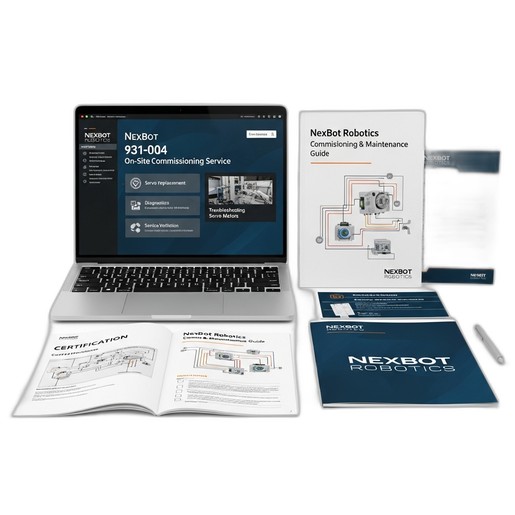
This is why professional services like our NexBot Robotics 931-004 On-Site Commissioning Service are invaluable. Expert technicians ensure that the robot is mechanically installed correctly, integrated seamlessly with existing control systems, and programmed for optimal pathing and payload handling. This initial investment prevents common issues related to stress on joints and motors, ensuring your maintenance team starts with a perfectly tuned system, not one that's already compromised.
Preventive Maintenance for High-Wear Components: The EOAT
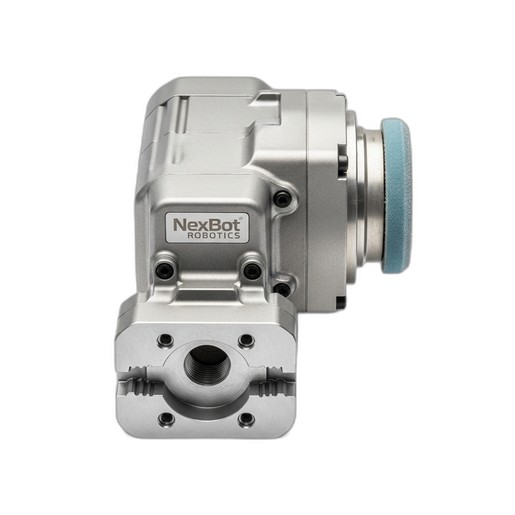
End-of-Arm Tooling (EOAT) is where the robot meets the workpiece. These components are subjected to constant mechanical stress, vibration, and environmental exposure, making them a primary focus for preventive maintenance. A tool like the NexBot Vision 442-003 Sanding and Polishing Tool is a perfect example. Operating at speeds up to 10,000 RPM, its components are under significant strain.
A robust preventive maintenance checklist for such a tool should include:
- Daily Visual Inspection: Check for loose fittings, damaged cables, or visible cracks in the housing.
- Weekly Functional Check: Monitor for any changes in sound or vibration during operation. A change in audible pitch can indicate bearing wear.
- Abrasive Media Replacement: Follow a schedule based on usage hours or workpiece count to ensure consistent surface finish quality. Worn abrasives force the tool's motor to work harder, accelerating wear.
- Scheduled Lubrication: Adhere to the manufacturer's recommended lubrication schedule for bearings and other moving parts to reduce friction and heat buildup.
By tracking usage and performing these regular checks, you can schedule replacements and servicing during planned downtime, avoiding a sudden failure that could halt production and damage a workpiece.
The Leap to Predictive Maintenance: Listening to Your Robot
Preventive maintenance is good, but predictive maintenance is transformational. Instead of replacing parts on a fixed schedule, you replace them just before they are about to fail. This is achieved by using sensors to monitor the real-time health of the robot. The most powerful tool in this arsenal is vibration analysis.
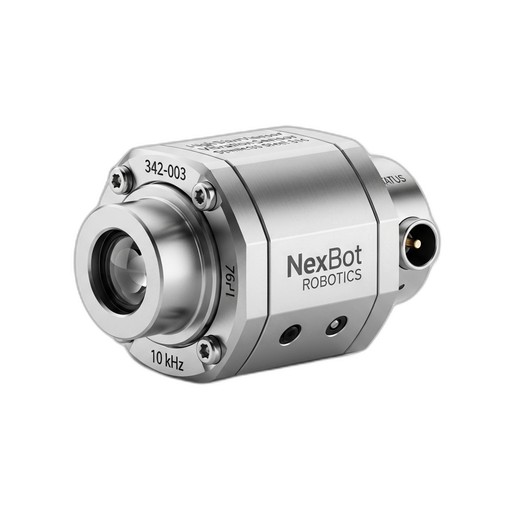
Every motor, gearbox, and joint in a robot has a unique vibration signature when operating correctly. As components begin to wear, this signature changes in subtle ways. A high-precision sensor like the NexBot Vision 342-003 Vibration Sensor is designed to detect these minute changes. With a wide 10 kHz frequency range, it can capture the high-frequency vibrations associated with early-stage bearing faults or gear tooth wear long before they become audible or cause a catastrophic failure.
Here’s how it works in practice:
- Baseline Measurement: During commissioning or after a major service, the sensor captures the baseline vibration signature of a healthy joint or motor.
- Continuous Monitoring: The sensor continuously feeds data to your plant's control or monitoring system. Its IO-Link protocol simplifies this integration, providing rich diagnostic data over a standard industrial connection.
- Trend Analysis & Alarms: The system tracks the vibration data over time. When the data trends outside of the established baseline parameters, it triggers an alert for the maintenance team.
- Informed Action: The maintenance team can then investigate the specific joint, confirm the issue, and schedule a repair during the next planned shutdown.
Furthermore, its IP67 rating ensures reliable operation even in dusty or wet environments, common in finishing applications. By listening to what your robot is telling you through data, you can make maintenance a precise, planned, and cost-effective activity.
Building Your Comprehensive Maintenance Strategy
A successful robotics maintenance program integrates all these elements:
- Start Right: Use professional commissioning services to establish a solid foundation.
- Be Proactive: Implement a rigorous preventive maintenance schedule for high-contact, high-wear components like your EOAT.
- Get Predictive: Leverage advanced sensors like vibration monitors to gain insight into the internal health of your robot's core components.
- Keep Records: Document all maintenance activities, parts replacements, and sensor readings to build a historical health record for each asset.
By moving beyond the reactive "break-fix" cycle, you can unlock the full potential of your robotic systems, ensuring they remain reliable, productive, and profitable for their entire operational lifespan.