The Unseen Cost of Downtime
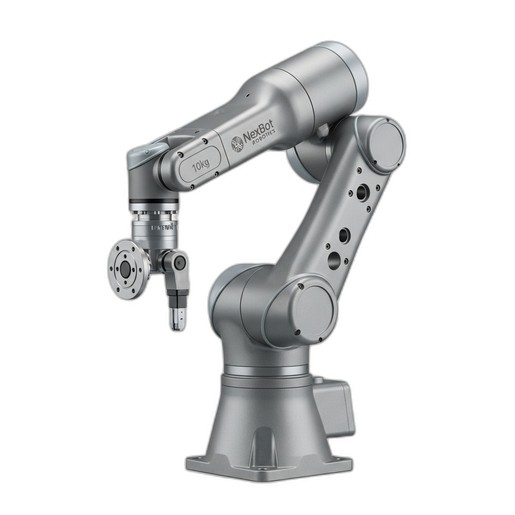
In any automated facility, the rhythmic motion of a robotic arm like the NexBot Safety SA011-008 is the heartbeat of production. When that motion stops unexpectedly, the costs multiply far beyond the immediate repair. Lost production, missed deadlines, and redeployed labor can cripple efficiency. The most effective strategy to combat this is not reactive repair, but proactive, preventive maintenance. A well-designed maintenance plan transforms unpredictable failures into scheduled, low-impact service intervals, ensuring your robotic assets deliver consistent performance year after year.
This guide outlines a practical framework for maintaining your 6-axis articulated robots, keeping them in peak condition and minimizing the risk of costly interruptions.
A Tiered Approach to Robot Maintenance
A comprehensive maintenance schedule can be broken down into daily, quarterly, and annual tasks. This tiered approach ensures that potential issues are caught early without overburdening your maintenance team.
Tier 1: Daily Visual Inspections
Your operators are the first line of defense. Empower them to perform these quick, non-invasive checks at the start of every shift:
- Visual Sweep: Look for any signs of physical damage, such as dents or scrapes on the robot arm.
- Cable & Hose Integrity: Check for frayed, pinched, or abraded cables and pneumatic hoses. Ensure all connections are secure.
- Fluid Leaks: Inspect the base and joints for any signs of oil or grease leakage, which could indicate a failing seal.
- Fastener Check: Visually confirm that all major mounting bolts and end-of-arm-tooling (EOAT) fasteners are in place and appear secure.
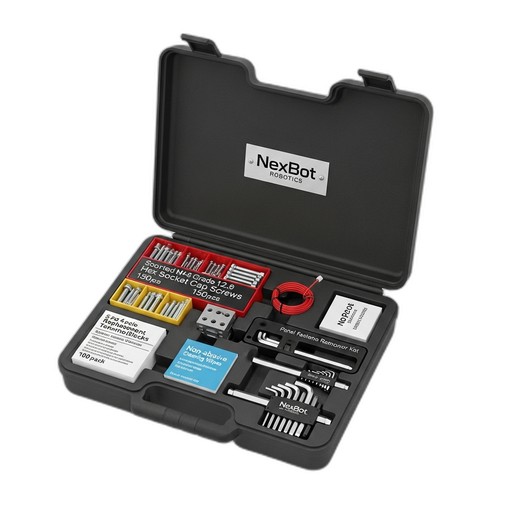
- Work Cell Cleanliness: Keep the area around the robot free of debris. Use non-abrasive wipes, like those found in the NexBot Vision 763-003 Maintenance Kit, to gently clean sensors and camera lenses.
Tier 2: Quarterly Functional Checks
Every few months, a more in-depth check by a trained technician is necessary to assess the robot's functional health:
- Manual Movement: With the robot in a safe state, manually move each axis through its full range of motion. Feel for any binding, grinding, or excessive resistance.
- Audible Noise: During operation, listen for unusual noises like whining, clicking, or grinding from the gearboxes. These are often early indicators of mechanical wear.
- Vibration Analysis: Note any increase in vibration during high-speed movements. This could point to an imbalance or a developing mechanical issue.
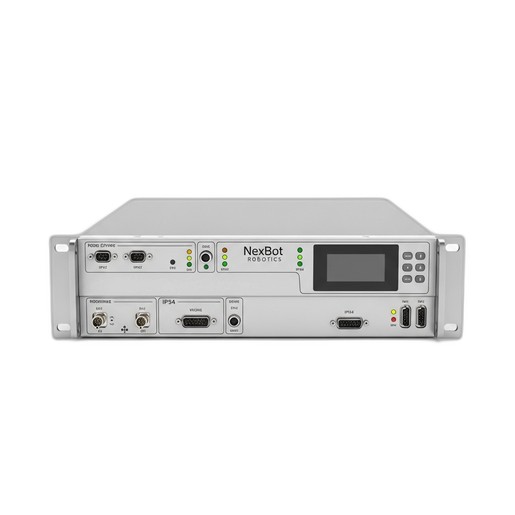
- Controller Log Review: Check the logs on the NexBot Drives 211-006 Main Controller for any recurring warnings or errors. These logs provide invaluable data for predictive maintenance, often flagging intermittent electrical or communication issues before they cause a full stoppage.
- Brake Test: Execute the robot's standard brake test function to ensure all axis brakes are engaging and holding correctly.
Tier 3: Annual Deep Maintenance & Component Review
Once a year, the robot requires a comprehensive service. This is where having the right parts on hand is critical. An emergency repair kit, such as the NexBot Vision 763-003 Multi-Part Maintenance Kit, ensures you have critical components ready without waiting for a shipment.
Key annual tasks include:
- Grease & Lubrication: Check grease levels in each gearbox and take samples for analysis if recommended. Re-grease or replace lubricant according to the manufacturer's schedule.
- Fastener Torque: Go beyond a visual check and use a calibrated torque wrench to verify that all critical fasteners (base mount, joints, EOAT) are tightened to specification. The assorted Grade 12.9 screws in the maintenance kit are perfect for replacing any fasteners that show signs of wear or damage.
- Internal Inspection: Inspect wiring and connections inside the controller cabinet and at the robot base. Look for signs of wear, loose connections, or heat damage. The replacement terminal blocks in the NXB-KIT-763-003 are essential for quickly resolving any connection issues found.
- Battery Replacement: Replace the battery that supports the robot's absolute encoder memory. This is a small but critical task to prevent the loss of positioning data.
- Repeatability Check: After servicing, run a program to verify the robot's Tool Center Point (TCP) and overall positioning accuracy. Recalibrate if necessary.
Be Prepared: The Power of an On-Site Kit
Nothing halts a maintenance task faster than discovering you don't have a simple fastener, wire, or tool. The NexBot Vision 763-003 Kit is designed specifically to prevent these delays. It contains the high-wear and easily lost items that technicians need most often: high-grade socket cap screws for structural integrity, terminal blocks for electrical repairs, diagnostic jumper wires for troubleshooting with the controller, and precision hex keys for accessing various components. Having this kit on the shelf turns a multi-hour (or multi-day) delay into a ten-minute fix, directly translating to increased uptime and operational efficiency.