In any automated facility, unplanned downtime is the enemy of productivity. While industrial robots are built for durability, their longevity and performance depend on a consistent and proactive maintenance strategy. A well-maintained robot is not only more reliable but also safer and more accurate over its operational lifespan. Ignoring routine checks can lead to premature component failure, costly emergency repairs, and significant production losses.
This guide provides a foundational checklist for maintaining three critical areas of your robotic systems: the structural mounts that provide stability, the linear tracks that guide motion, and the servo drives that power it all. By implementing these simple but effective tips, you can extend the life of your equipment and maximize your return on investment.
The Foundation: Inspecting Mounts and Structural Integrity
A robot's precision begins with its foundation. A loose or compromised mount can introduce vibration and positioning errors that cascade through the entire system, leading to inconsistent performance and accelerated wear on other components. Whether your robot is on the floor, wall, or ceiling, its mounting system demands regular attention.
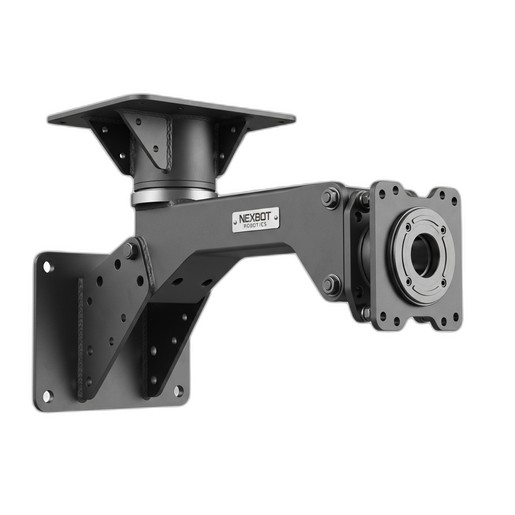
Start with a thorough visual inspection of the mount itself, such as the NexBot Vision 642-003 Ceiling Or Wall Robot Mount. Look for any signs of stress, including cracks in welds or paint, corrosion, or deformation. Check the torque on all mounting bolts according to manufacturer specifications. Vibrations from normal operation can cause fasteners to loosen over time. A monthly torque check is a quick and effective preventive measure. Also, ensure the area around the mount is clean and free from debris or fluid buildup that could hide underlying issues or promote corrosion.
Precision in Motion: Linear Rail and Track Care
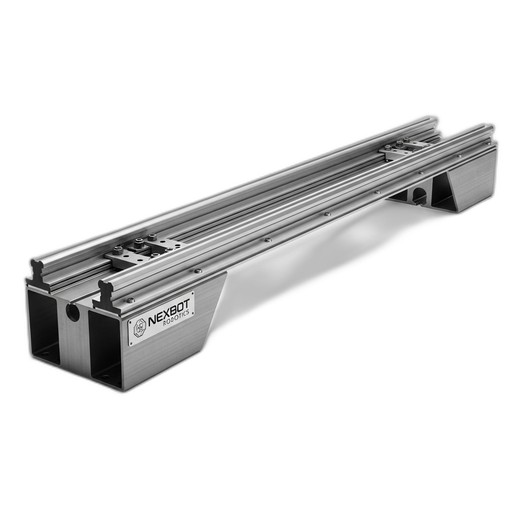
For robots that traverse a workspace, the linear rail system is the pathway to productivity. Systems like the NexBot Vision 643-003 Linear Rail Track are engineered for high-payload, high-accuracy movement, but their performance is directly tied to their condition.
Key Maintenance Steps:
- Cleaning: The most common cause of premature wear on linear rails is contamination. Metal shavings, dust, and other debris can accumulate on the track, interfering with the smooth movement of the bearing carriages. Regularly wipe down the rails with a lint-free cloth. For stubborn grime, use a manufacturer-approved solvent.
- Lubrication: Proper lubrication is critical to reduce friction and prevent corrosion. Follow the recommended lubrication schedule, type of grease, and application points. Over-lubricating can attract contaminants, while under-lubricating leads to metal-on-metal wear. Look for signs of inadequate lubrication, such as squeaking noises or uneven motion.
- Inspection: Visually inspect the rail for signs of damage like pitting, scratches, or brinelling (indentations on the raceway). Check the rail's wipers and seals, as these are the first line of defense against contaminants. Replace them if they appear worn or damaged.
The Heart of Control: Servo Drive Health and Diagnostics
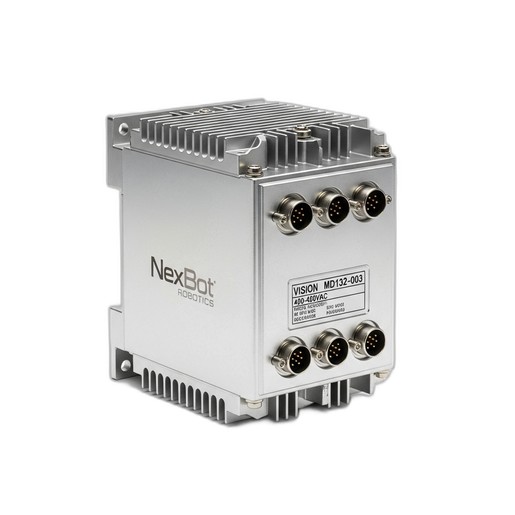
The servo drive is the brain and muscle behind a robot's precise, coordinated movements. A multi-axis unit like the NexBot Vision MD132-003 Servo Drive orchestrates complex motion profiles, making its health essential for operational success. While largely solid-state, drives are not immune to environmental and electrical stressors.
Preventive Maintenance for Servo Drives:
- Environment and Cooling: Heat is the primary enemy of electronic components. Ensure the drive's cooling fans are operational and that vents are clean and unobstructed. The ambient temperature of the control cabinet should be kept within the drive's specified operating range. Excessive heat can drastically shorten the life of critical internal components like capacitors.
- Connections: Periodically inspect all electrical connections for tightness and signs of corrosion or overheating (discoloration). Loose power or communication cables can cause intermittent faults that are difficult to diagnose. This includes the EtherCAT network cables that are vital for real-time control.
- Diagnostic Monitoring: Modern servo drives provide a wealth of diagnostic information. Use the drive's software interface to monitor key parameters like internal temperature, bus voltage, and current draw. Pay attention to any recurring fault codes. These codes are early warnings that can help you identify a developing problem—such as motor binding or power supply instability—before it causes a major failure.