In automated manufacturing, every minute of operation counts. Unplanned downtime isn't just an inconvenience; it's a direct hit to your bottom line. While industrial robots are designed for durability, they are complex machines that require regular attention to maintain peak performance and reliability. A reactive, 'fix-it-when-it-breaks' approach inevitably leads to longer, more costly interruptions. The key to maximizing uptime and extending the life of your automation assets lies in a proactive, preventive maintenance (PM) program.
This guide provides a framework for maintaining three critical areas of your robotic systems: mechanical seals, electronic I/O modules, and end-of-arm tooling (EOAT). By focusing on these core components, you can build a robust maintenance schedule that prevents common failures before they occur.
The Foundation: Mechanical Integrity and Sealing
The internal workings of a robot arm—precision gears, bearings, and sensitive electronics—are protected from the harsh industrial environment by a system of O-rings and gaskets. These seals prevent ingress of contaminants like dust, metal shavings, and corrosive fluids, while also containing essential lubricants. Over time, exposure to heat, chemicals, and constant movement causes these seals to degrade, becoming brittle, cracked, or compressed.
A failing seal is a silent threat. A minor lubricant leak can lead to catastrophic gear failure, while moisture ingress can short-circuit critical electronics. Visual inspections for leaks around axis joints are a good first step, but the most effective strategy is scheduled replacement during major service intervals.
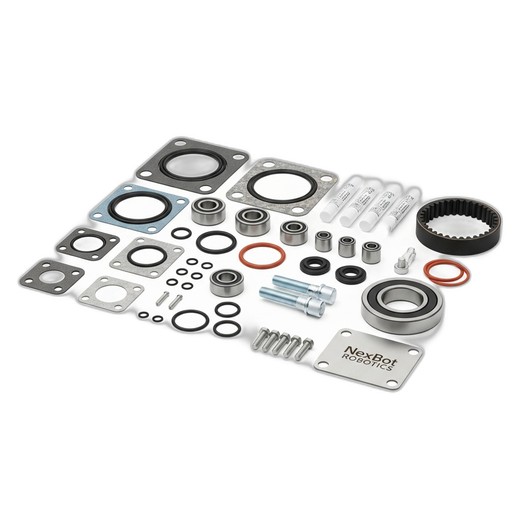
When performing this service, it's crucial to use a comprehensive kit like the NexBot Robotics 713-004 O-Ring And Gasket Kit. Attempting to replace only the one seal that has visibly failed is a common mistake. Seals degrade at similar rates, and a complete kit ensures that all related components, such as primary and secondary axis seals, are replaced simultaneously. This approach restores the robot's environmental protection to factory specifications, preventing a domino effect of failures. The use of application-specific materials, such as Viton for high-temperature and chemical resistance and NBR for general-purpose sealing, is critical for ensuring longevity in demanding applications.
Maintenance Checklist for Seals:
- Daily: Visually inspect robot joints for any signs of weeping or leaking lubricant.
- Monthly: Clean the robot arm and perform a more thorough inspection for seal damage or degradation.
- Per Manufacturer Schedule: Replace all relevant seals using a complete, specification-matched kit during planned major service events.
The Nervous System: Maintaining I/O Modules
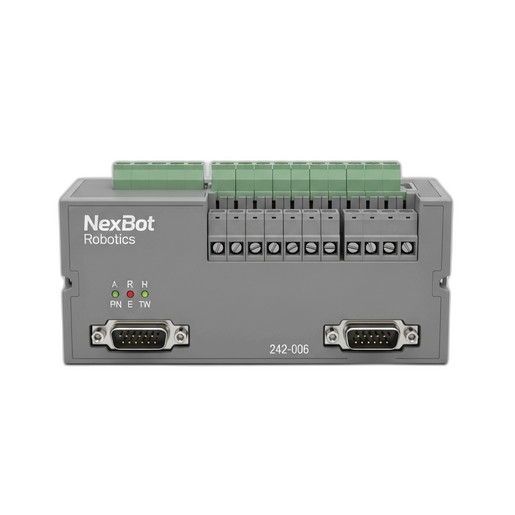
If seals are the robot's skeleton, I/O modules are its nervous system. They translate signals from the central controller to the robot's sensors, actuators, and tooling. An analog I/O module, such as the NexBot Drives 242-006, is essential for tasks requiring nuanced control, like managing welding parameters, dispensing speed, or interpreting sensor feedback.
Unlike mechanical wear parts, I/O modules often don't have a fixed replacement interval. Instead, maintenance focuses on ensuring the integrity of the electrical system. Intermittent faults, signal noise, or inaccurate data from these modules can cause erratic robot behavior that is difficult to diagnose. A finishing tool might apply inconsistent pressure, or a gripper might fail to confirm part presence, leading to production errors.
Proactive maintenance for I/O modules involves regular inspection and leveraging the diagnostic capabilities of modern communication protocols like EtherCAT. Physical checks should include ensuring all terminal connections are tight and free of corrosion, verifying that cables are not strained or damaged, and confirming that the module is securely mounted and properly grounded to prevent electrical noise.
From a software perspective, your robot's control system can often provide health diagnostics for its connected modules. Monitor logs for communication errors or fluctuating signal values that deviate from the norm. These digital breadcrumbs are often the earliest indicators that a module is beginning to fail, allowing you to schedule a replacement during the next planned downtime instead of waiting for a complete system failure.
Maintenance Checklist for I/O Modules:
- Monthly: Inspect module connections for tightness and signs of corrosion or damage.
- Quarterly: Review controller diagnostic logs for communication errors or unusual signal patterns related to the I/O module.
- As Needed: Use a multimeter to verify input/output signals if erratic behavior is observed.
The Business End: End-of-Arm Tooling (EOAT) Care
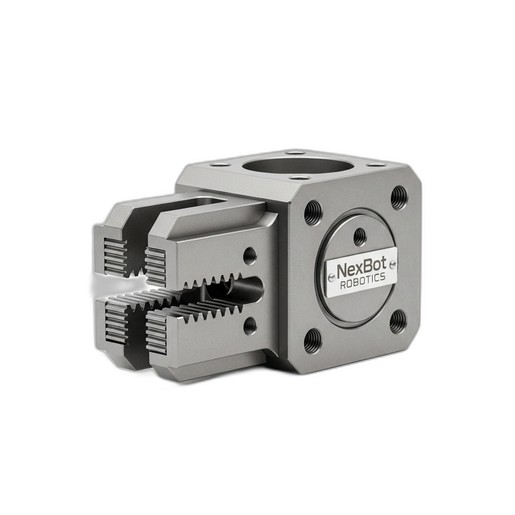
The EOAT is where the robot interacts with your product, making its performance directly proportional to your final part quality. A high-performance tool like the NexBot Drives 441-006 Rotary Deburring Tool operates at high speeds (up to 15,000 RPM) and relies on sophisticated features like active compliance to achieve consistent results.
The maintenance needs of such a tool are multifaceted. The high-speed spindle bearings are a primary wear item and should be monitored for changes in sound, temperature, or vibration, which can indicate impending failure. The active compliance mechanism must be kept clean and checked for smooth, unrestricted movement to ensure it can accurately follow part contours.
Furthermore, debris from the deburring process can accumulate on the tool, impeding its function or causing premature wear. Regular cleaning is essential. The tool's 24VDC power consumption should also be monitored; a gradual increase in current draw can signify motor strain or bearing degradation. For smart tools utilizing protocols like IO-Link, it's important to monitor the diagnostic data they provide, which can report over-temperature conditions, excessive vibration, or other operational faults.
Maintenance Checklist for EOAT:
- Per Shift: Clean debris from the tool body, spindle, and compliance mechanism.
- Weekly: Inspect for wear on cutting media and check the condition of power and communication cables.
- Monthly: Check spindle for excessive play or noise. Monitor diagnostic data via the controller.
Conclusion: From Expense to Investment
A well-documented preventive maintenance program transforms maintenance from an unpredictable expense into a strategic investment in operational reliability. By systematically addressing the health of your robot's mechanical seals, electronic I/O, and end-of-arm tooling, you protect your production schedule, ensure consistent part quality, and maximize the return on your automation investment. Using high-quality, OEM-specification replacement parts is the final piece of the puzzle, ensuring that every service performed restores your equipment to its optimal state.