In today's fast-paced manufacturing environment, industrial robots are the engines of productivity. Systems like the NexBot Harmonic Gearbox HR-30 deliver the high-speed, repeatable motion that modern automation demands. However, even the most robust robotic systems require regular attention to maintain their performance and prevent costly, unplanned downtime. A reactive 'fix it when it breaks' approach is a recipe for missed deadlines and spiraling repair costs. The solution is a structured, proactive preventive maintenance (PM) program.
This guide provides an essential checklist for maintaining your industrial robots, ensuring you maximize their lifespan and operational uptime.
The Pillars of a Successful PM Program
A successful PM program is built on consistency and documentation. It's not about random checks; it's about creating a repeatable schedule that addresses potential issues before they become critical failures. A tiered approach is most effective:
- Daily Checks: These are quick visual inspections that can be performed by operators at the start of each shift. Look for loose cables, fluid leaks, visible damage to the robot arm or end-of-arm tooling, and listen for any unusual noises. Check the controller for any active error messages.
- Weekly Checks: This involves a more detailed inspection. Wipe down the robot arm and controller to remove dust and debris. Check the integrity of safety circuits and emergency stops. For systems using vision, this is a good time to clean the camera lens.
- Monthly/Quarterly Checks: These are more in-depth tasks for trained technicians. This includes checking the tightness of mounting bolts, inspecting cables and hoses for wear, and verifying the robot's positional accuracy.
- Annual Checks: This is a comprehensive overhaul, often including tasks like battery replacement in the controller, lubricant analysis or replacement for gearboxes, and a full system backup.
Focus on the Core: Harmonic Gearbox Maintenance
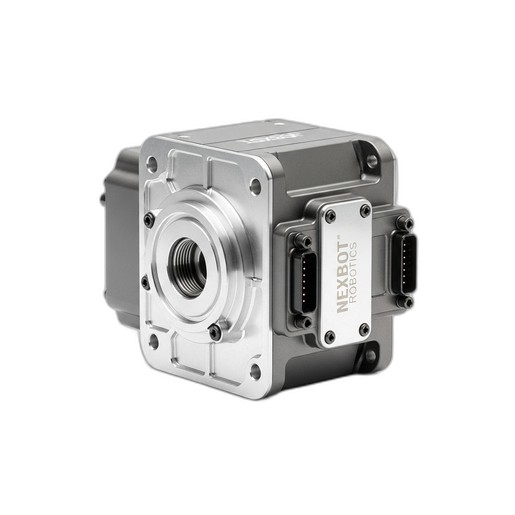
The gearbox is the heart of a robot's motion system, responsible for converting motor speed into high-torque, precise movements. In systems like the NexBot HR-30, the harmonic gearbox is critical for achieving production-grade payload handling and repeatable motion. Due to the high stresses they endure, they are a primary focus for maintenance.
Key indicators of potential gearbox issues include:
- Increased Backlash: A noticeable 'slop' or looseness in the robot's joints when changing direction. This can lead to a loss of positioning accuracy.
- Unusual Noise or Vibration: Grinding, whining, or excessive vibration during operation can signal internal wear.
- Overheating: While some heat is normal, a significant increase in the gearbox's operating temperature can indicate lubrication failure or excessive friction.
- Increased Motor Current: The robot's controller may show the motors are drawing more current to achieve the same movement, often a sign of increased resistance from a failing gearbox.
Consult the manufacturer's manual for specific lubrication schedules and procedures. The service-friendly design of modern systems like the HR-30 simplifies access for these critical tasks, but they must be performed correctly to be effective.
Don't Overlook the Eyes: Vision System Care
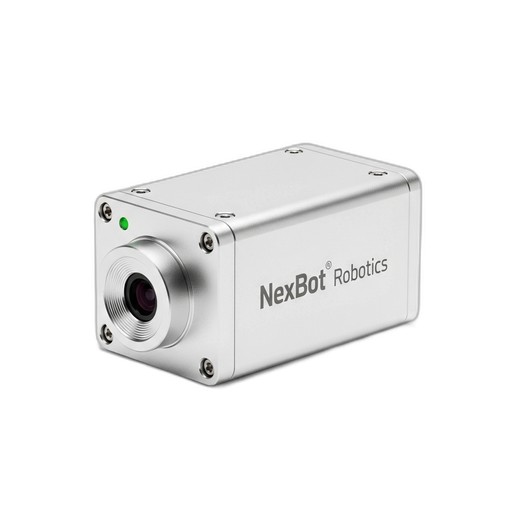
Many robotic applications rely on vision systems for guidance, inspection, and part identification. A component like the NexBot 321-001 2D Vision Camera is the robot's eye, and its performance is critical to the success of the entire work cell. Fortunately, its maintenance is straightforward but essential.
- Keep it Clean: The most common issue is a dirty lens. Dust, oil mist, or smudges can obscure the camera's view, leading to incorrect part detection or failed inspections. Clean the lens regularly with a lint-free cloth and an appropriate cleaning solution.
- Check Connections: Ensure the GigE Vision and power cables are securely connected and show no signs of wear or damage. A loose connection can cause intermittent data loss.
- Verify Mounting: Vibrations can cause the camera's mounting bracket to loosen over time, changing its field of view and calibration. Periodically confirm that it is secure.
- Schedule Recalibration: Depending on the application's precision requirements, plan for periodic recalibration to ensure the system maintains its accuracy.
Empower Your Team with Expert Knowledge
A checklist is only as good as the people using it. Your maintenance technicians are your first line of defense against downtime. Investing in their skills is one of the most effective ways to improve your maintenance outcomes. A well-trained technician can spot subtle signs of wear, perform diagnostics efficiently, and execute repairs correctly the first time.
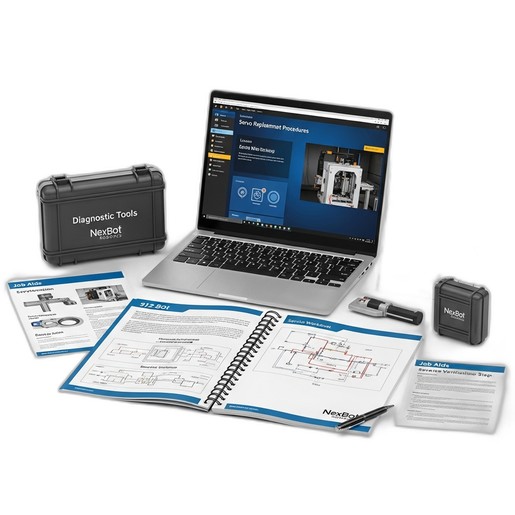
For this reason, a comprehensive training program is invaluable. The NexBot Robotics Maintenance Training Course (NXB-KIT-912-001) provides the hands-on experience needed to master these tasks. Over three days, technicians learn the specific diagnostic and repair procedures for NexBot systems, moving beyond generic knowledge to expert-level proficiency. This investment pays for itself by reducing diagnostic time, preventing incorrect repairs, and empowering your team to take full ownership of robot health.
By combining a structured PM schedule, a focus on critical components, and a well-trained team, you can transform your maintenance program from a cost center into a strategic advantage, ensuring your robotic assets deliver maximum value for years to come.