In the world of industrial automation, uptime is everything. Every minute a robotic system is offline represents lost productivity and revenue. While modern industrial robots are built for durability, a proactive, holistic maintenance strategy is the key to unlocking their full operational lifespan and maximizing your return on investment. A comprehensive plan goes beyond the robot arm itself; it encompasses the entire robotic cell, including control systems, end-of-arm tooling (EOAT), and the often-overlooked wear parts and consumables that keep everything running smoothly.
This guide provides a framework for building a robust preventive maintenance schedule that addresses these critical areas, ensuring your automation systems operate at peak efficiency and safety.
The Brains of the Operation: Control System Maintenance
The robot controller is the central nervous system of your automated process. It executes commands, processes sensor data, and, most importantly, ensures the system operates safely. Neglecting the controller and its associated components can lead to intermittent faults, unexpected shutdowns, and critical safety failures.
Key maintenance tasks for control systems include:
- Environmental Checks: Ensure the controller cabinet is clean, dry, and free of excessive dust or debris. Verify that cooling fans are operational and filters are clean to prevent overheating.
- Connection Integrity: Periodically inspect all electrical connections for tightness and signs of corrosion. This is especially critical for safety circuits. For systems using advanced safety protocols like PROFIsafe over PROFINET, maintaining network cable integrity is paramount.
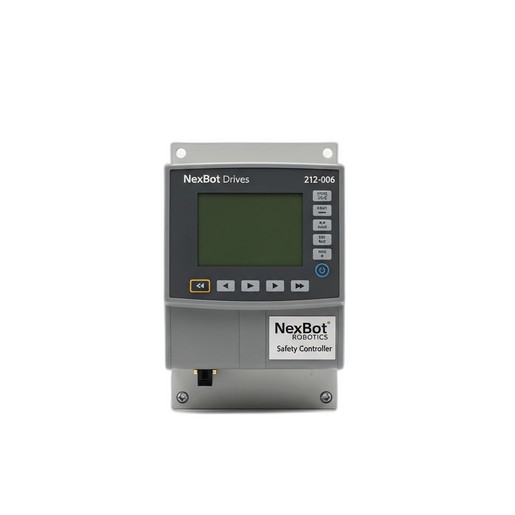
- Component Health: The safety controller itself, such as the NexBot Drives 212-006 Safety Controller, is the heart of your system's safety function. Maintenance involves verifying its diagnostic LEDs are normal, ensuring stable 24VDC power, and confirming that its communication with the broader network is uninterrupted. Planning for the eventual replacement of critical components based on manufacturer specifications is a cornerstone of proactive maintenance.
- Thermal Management: Controllers and drive amplifiers generate significant heat. Over time, the thermal compound that facilitates heat transfer to heatsinks can dry out and lose effectiveness. This is a critical, though often forgotten, maintenance step that prevents thermal throttling and premature component failure.
The Business End: End-of-Arm Tooling (EOAT) Care
EOAT is where the robot meets the workpiece, making it one of the most wear-intensive parts of the entire system. The maintenance needs of your EOAT will vary greatly depending on the application, with welding, grinding, and material handling grippers requiring frequent attention.
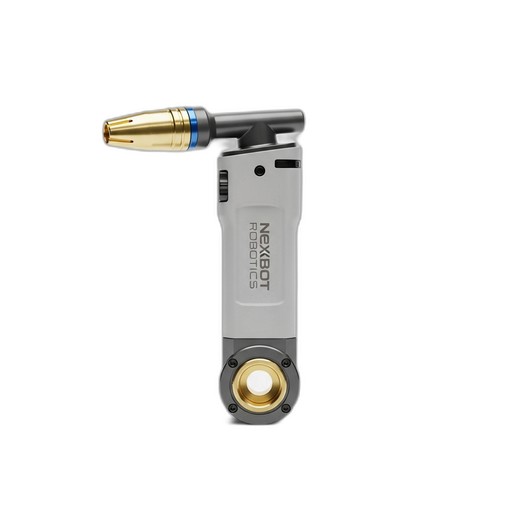
Let's consider a high-demand application like robotic welding. A tool like the NexBot Robotics MIG431-007 400A MIG/MAG Welding Torch is designed for high performance, operating at 400A at a 60% duty cycle. This demanding environment makes regular maintenance essential for consistent weld quality.
Key maintenance tasks for a robotic welding torch include:
- Daily Checks: Inspect the nozzle for spatter buildup and clean it as needed. Check the contact tip for signs of wear or fusion and replace it before it degrades weld quality. Ensure the gas shield is flowing correctly.
- Weekly Checks: Examine the torch liner for kinks or blockages that could impede wire feeding. Inspect the torch neck and cable assembly for signs of wear, abrasion, or heat damage.
- Periodic Replacement: Consumables like contact tips, nozzles, and liners have a finite life. Tracking their usage and replacing them on a schedule—rather than waiting for a failure—prevents costly rework and downtime.
The Unsung Heroes: Consumables and Wear Parts
Beyond the major components, a successful maintenance program pays close attention to the consumables that enable their function. These are the parts and materials that are designed to be consumed or replaced over time.
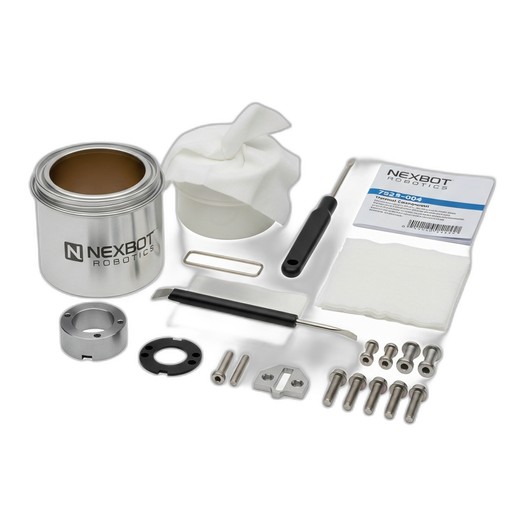
One of the most critical but easily overlooked consumables is thermal compound. Components like servo drives, power supplies, and even processors within controllers rely on efficient heat dissipation to operate reliably. The NexBot Robotics 752-004 Thermal Compound is an example of a specification-driven material designed for this purpose. It creates a thermally conductive layer between a heat-generating component and its heatsink.
Why is this important for maintenance? Over thousands of thermal cycles, this compound can dry out, pump out, or degrade, reducing its effectiveness. A component that once ran cool may start to overheat, leading to performance issues or outright failure. Including a task to clean and reapply thermal compound during major servicing or component replacement is a low-cost, high-impact preventive measure.
Building Your Preventive Maintenance Schedule
A structured schedule is the foundation of effective maintenance. Tailor it to your specific application, environment, and operational hours, but use this as a general template:
- Daily/Per-Shift: Visual inspection of EOAT, check for error messages on the controller, and ensure the workcell is clear of obstructions.
- Weekly: Clean EOAT consumables (e.g., welding nozzle), inspect cables for wear, and clean controller cabinet air filters.
- Monthly: Check controller connection tightness, back up robot programs and system configurations, and perform a more thorough inspection of EOAT mechanical components.
- Annually/Biennially: Service major mechanical components, replace batteries in the controller and robot arm, and inspect and reapply thermal compounds on critical heat-generating electronics.
By adopting a holistic maintenance approach that values every part of your robotic system—from the safety controller to the thermal compound—you transform maintenance from a reactive chore into a strategic advantage, ensuring years of reliable, safe, and productive automation.