In modern manufacturing, industrial robots are the heart of production, operating with precision and endurance around the clock. However, even the most robust automated systems require diligent care to perform at their peak. Unscheduled downtime can lead to significant production losses, missed deadlines, and costly emergency repairs. The solution? A proactive preventive maintenance (PM) program designed to identify and address potential issues before they become critical failures.
This guide will walk you through the essential elements of creating an effective maintenance strategy for your robotic assets, ensuring you maximize uptime and get the most out of your automation investment.
The Pillars of Robot Maintenance
A comprehensive PM program is built on three key pillars: mechanical integrity, electrical system health, and safety system verification. Neglecting any one of these areas can compromise the performance and safety of your entire automated workcell.
- Mechanical Systems: This includes the robot's joints, gears, bearings, and end-of-arm tooling (EOAT). Regular inspection and lubrication are critical to prevent premature wear and maintain motion accuracy.
- Electrical Systems: This covers controllers, cables, connectors, and power supplies. Loose connections or failing components can cause erratic behavior and system faults.
- Safety Systems: Perimeter guards, light curtains, emergency stops, and safety-rated motion controllers must be regularly checked to ensure they function correctly, protecting personnel and equipment.
Establishing a Maintenance Schedule
Consistency is the cornerstone of any successful PM program. Maintenance tasks should be broken down into manageable intervals based on operational hours and manufacturer recommendations. A typical schedule includes daily, weekly, and major interval services.
- Daily Checks (Pre-shift): These are quick visual inspections. Look for fluid leaks, frayed cables, loose fasteners, or any obvious signs of damage. Check the EOAT for wear and ensure the robot's path is clear of obstructions.
- Weekly Checks: Perform a more detailed inspection. Clean debris from the robot arm and controller. Verify the functionality of safety interlocks and emergency stop buttons. Listen for unusual noises from the joints during operation, which could indicate a need for lubrication or mechanical adjustment.
- Major Interval Service (e.g., 4,000 Hours): This is a comprehensive service that involves replacing key wear items. Following manufacturer guidelines is crucial here. For many systems, this service includes tasks like lubricating all axes, replacing controller batteries, changing cooling fan filters, and performing a full system backup.
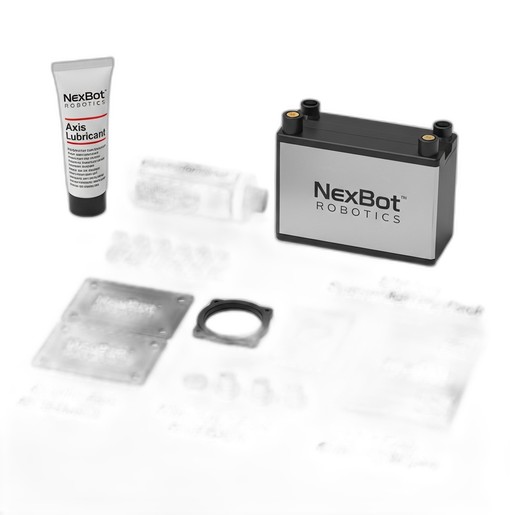
To simplify these major services, using a dedicated maintenance kit is highly recommended. For instance, the NexBot Robotics 761-004 Maintenance Kit is specifically designed for the 4,000-hour service interval. It consolidates all necessary consumables—from high-performance lubricant and replacement fasteners to the system battery and fan filters—into a single package. This eliminates guesswork and ensures your technicians have the right parts on hand to complete the service efficiently and correctly.
Key Tasks and Common Wear Indicators
Knowing what to look for is just as important as knowing when to look. Here are some critical tasks and signs of wear to monitor:
Lubrication and Backlash
Proper lubrication is vital for the longevity of a robot's gearboxes and joints. Insufficient or degraded grease leads to increased friction, heat, and wear, eventually causing positioning errors and motor strain. During major service intervals, it's essential to apply fresh, high-performance lubricant according to the manufacturer's specifications. It's also a good time to check for backlash (excessive play) in the robot's axes, which can indicate gear wear.
Battery Replacement
Robot controllers use batteries to retain system memory, including position data and program storage, when the main power is off. A failing battery can lead to the loss of critical information and require a time-consuming system re-mastering process. Most manufacturers recommend replacing this battery at a specific interval, which is why it's a core component of scheduled maintenance kits like the NXB-KIT-761-004.
Cable and Hose Management
Cables and pneumatic hoses routed along the robot arm are subject to constant flexing and are a common point of failure. Inspect them regularly for signs of abrasion, cracking, or kinking. Ensure they are properly secured and not rubbing against equipment or the robot's own structure.
Workcell Safety Integrity
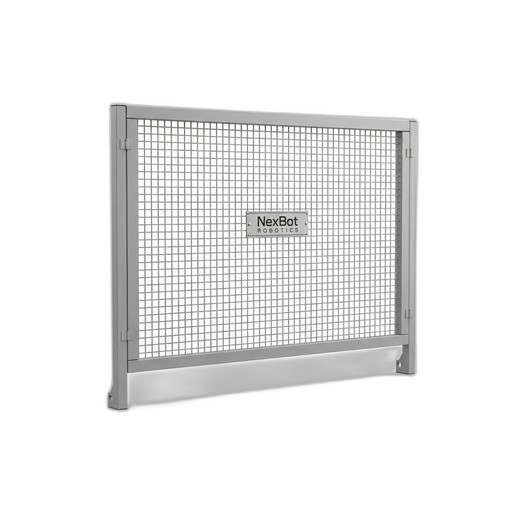
The robot itself is only one part of the system. The entire workcell must be maintained for safe operation. This includes inspecting physical barriers like the NexBot Robotics 611-007 Perimeter Guard Panel. Check that all panels are securely fastened, gates are functioning correctly, and safety interlocks engage properly. A damaged or improperly secured guard can create a significant safety hazard.
Conclusion: Maintenance as an Investment
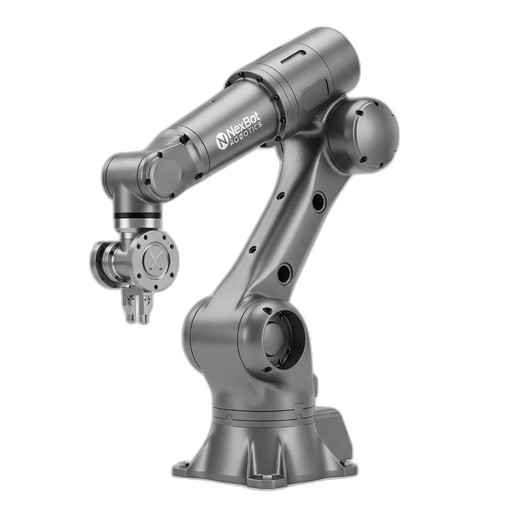
Viewing robot maintenance not as a cost but as an investment in productivity is a critical shift in mindset. A well-executed PM program, built around a consistent schedule and utilizing standardized kits, pays for itself many times over by preventing catastrophic failures. By keeping a close eye on your robotic systems, like the versatile NexBot Safety MA012-008 6-Axis Robot Arm, you ensure they remain reliable, accurate, and safe, driving your facility's performance for years to come.