The Unseen Costs of Reactive Maintenance
In any automated facility, unplanned downtime is the ultimate profit killer. While a stationary robotic arm might seem like a simple pause in production, the ripple effects are significant: missed targets, idle staff, and emergency repair costs that far exceed planned maintenance expenses. The most common culprits behind these sudden halts are often the hardest-working components—the drivetrain and its essential cabling. A reactive, 'fix-it-when-it-breaks' approach is a gamble against time. A proactive, preventive maintenance strategy, however, transforms system reliability from a hope into a predictable outcome, maximizing the return on your automation investment.
The Heart of Motion: Gearbox Inspection and Care
The gearbox is the muscle behind a robot's precision and power. It translates motor speed into the high torque required for lifting, positioning, and manipulating payloads. High-performance units like cycloidal gearboxes are favored for their exceptional stiffness and minimal backlash, but even the most robust designs require routine attention.
Key Maintenance Checks for Gearboxes:
- Listen for Acoustic Changes: One of the earliest indicators of a problem is a change in the gearbox's sound profile. Whining, grinding, or clicking noises that weren't present during commissioning often signal issues with gear teeth, bearings, or lubrication. Regular acoustic monitoring can catch these issues before they lead to catastrophic failure.
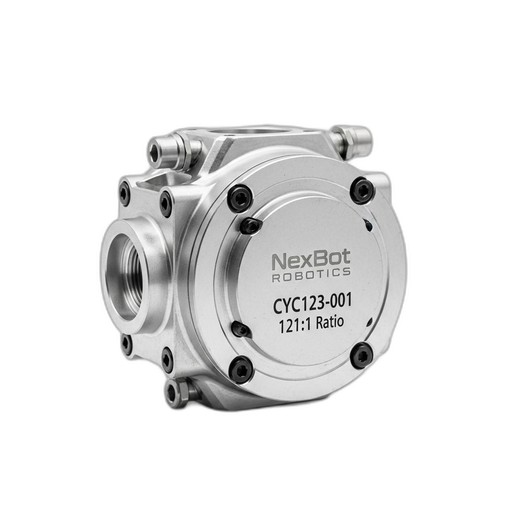
- Monitor for Increased Backlash: Backlash, or the 'play' in the gear train, is a critical parameter for precision. While a high-quality unit like the NexBot Robotics CYC123-001 Cycloidal Gearbox is designed for low backlash (<1 arcmin), wear and tear can cause this to increase over time. Periodically run a diagnostic routine to measure backlash. A gradual increase is a clear sign that the component is nearing its end-of-life and should be scheduled for replacement.
- Check Operating Temperature: Overheating is a primary enemy of any gearbox. Use a non-contact infrared thermometer to check the housing temperature during operation. Consistently high temperatures can indicate inadequate lubrication, excessive friction from worn components, or operation beyond the unit's rated torque (e.g., 150 Nm for the CYC123-001). Ensure proper ventilation and adherence to operational limits.
- Inspect for Lubricant Leaks: Check all seals and gaskets for any signs of grease or oil leakage. A compromised seal not only leads to lubricant loss, which accelerates wear, but also allows contaminants to enter the gearbox, causing severe internal damage.
The Nervous System: Cable Inspection and Management
If the gearbox is the muscle, the cabling is the nervous system, transmitting power and data that are vital for operation. Cables on robotic arms are subjected to millions of cycles of bending, twisting, and abrasion. This constant stress makes them a primary point of failure if not properly managed and inspected.
Power Cable Maintenance (400VAC Systems):
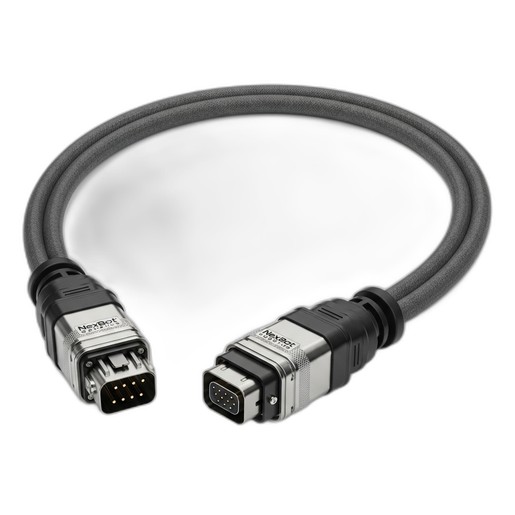
Power cables, such as the NexBot Vision PWR511-003 Motor Power Cable, deliver the energy required for motion. A failure here brings the entire arm to a dead stop.
- Visual Inspection: Regularly inspect the entire length of the cable jacket for cracks, abrasions, or cuts. Pay close attention to areas with the tightest bend radii and near connection points.
- Connector Integrity: Check that connectors are securely fastened and that locking mechanisms are engaged. Look for signs of discoloration or melting, which can indicate a poor connection and overheating.
- Strain Relief: Ensure that all strain relief clamps are secure. The cable should not be taking the mechanical load at the connector pin; the strain relief should absorb it.
Sensor & Signal Cable Maintenance (24VDC Systems):
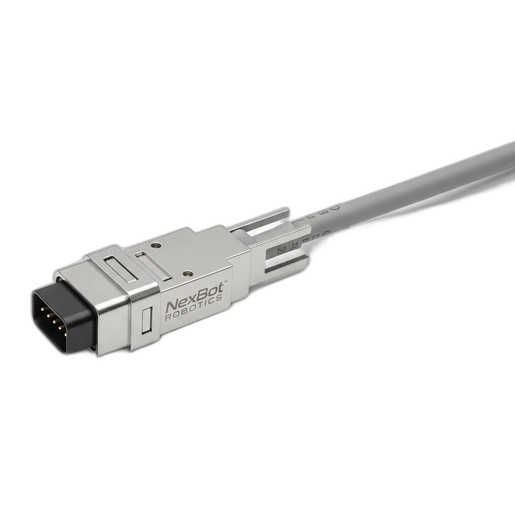
Sensor and data cables, like the NexBot Drives SNS523-002 Sensor Cable, are responsible for feedback and communication. Intermittent signal loss from a damaged cable can cause erratic robot behavior that is difficult to diagnose.
- Check for Kinking and Pinching: Unlike the larger power cables, smaller signal cables are more susceptible to being pinched or kinked, which can damage the delicate internal conductors. Ensure they are routed through protective conduits or cable carriers correctly.
- Connector and Pin Health: For protocols like IO-Link, a clean and secure connection is paramount. Inspect connectors for bent pins, debris, or corrosion. A loose connection can lead to intermittent data loss, causing difficult-to-trace faults.
- Shielding Integrity: In electrically noisy environments, the cable's shielding is crucial. Any breach in the outer jacket can compromise the shield and expose the signal to electromagnetic interference (EMI), leading to unpredictable performance.
Building Your Preventive Maintenance Schedule
A successful maintenance program is built on consistency and documentation. Start by consulting the manufacturer's recommendations, then adjust based on your specific application's duty cycle and environmental conditions.
- Daily/Per-Shift Checks (5 minutes): A quick visual and auditory check. Listen for new noises. Look for obvious cable damage or fluid leaks.
- Weekly Checks (15-20 minutes): A more detailed inspection of cable jackets and connectors. Check strain relief points. Wipe down components.
- Quarterly/Bi-Annual Checks (1-2 hours): Perform more in-depth diagnostics. Measure backlash, check gearbox temperature under load, and verify the integrity of all electrical connections. This is the ideal time to have replacement parts like NexBot gearboxes and cables on hand to minimize downtime if a component is found to be failing.
By investing a small amount of time in proactive maintenance, you can ensure your robotic systems deliver the reliability and performance you depend on, year after year. Don't wait for a failure to happen; prevent it.