Introduction: Beyond the Arm
When developing a preventive maintenance schedule for an industrial robot, it's natural to focus on the arm itself—lubricating joints, checking belts, and inspecting the main structure. While these tasks are vital, a truly comprehensive maintenance strategy looks beyond the arm to the critical peripheral components that enable its function. The human-machine interface (HMI), the high-precision sensors, and the end-of-arm tooling (EOAT) are just as crucial to operational uptime and performance.
Neglecting these components can lead to unexpected downtime, degraded performance, and costly emergency repairs. A failing teach pendant can bring an entire cell to a halt, a drifting encoder can ruin a batch of products with positioning errors, and a poorly maintained welding torch can produce substandard results. In this article, we'll explore essential maintenance tips for three key components, ensuring your robotic systems operate at peak efficiency and reliability for years to come.
The Teach Pendant: Your Primary Interface
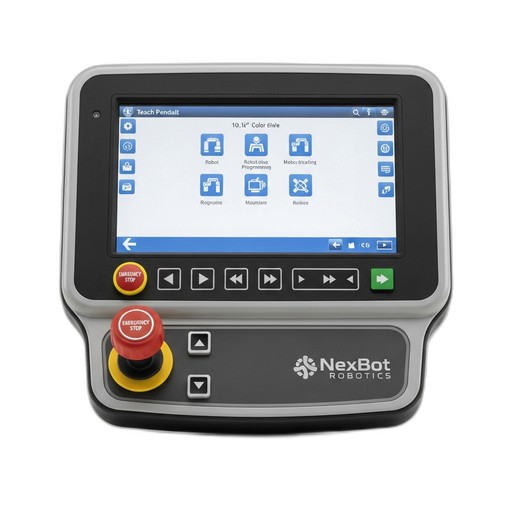
The teach pendant is the primary tool for programming, operating, and troubleshooting a robot. It's a handheld device that is frequently used, moved, and sometimes subjected to accidental drops or impacts. Despite their robust design, like the IP65-rated, drop-resistant housing of the NexBot Drives 221-006 Teach Pendant, they require regular attention to ensure long-term reliability.
Key Maintenance Checks:
- Physical Inspection: On a weekly basis, perform a visual inspection of the pendant's housing. Look for cracks, deep scratches, or signs of damage that could compromise its protective rating. Pay close attention to the integrity of the emergency stop button. It should be clean, unobstructed, and function with a crisp, definitive action.
- Screen and Input Care: The touchscreen is the centerpiece of a modern pendant. Clean it regularly with a soft, lint-free cloth and an appropriate screen cleaner to ensure responsiveness and visibility. Test all physical buttons and joysticks to confirm they are not sticking and register inputs correctly.
- Cable Integrity: The pendant's cable is its lifeline to the controller. It's also the component most susceptible to wear and tear from flexing, twisting, and being pulled. Inspect the entire length of the cable for kinks, abrasions, or exposed wiring, especially at the strain relief points on both the pendant and controller ends. A damaged cable can cause intermittent communication faults that are notoriously difficult to diagnose.
- Connector Health: Ensure the connector that plugs into the robot controller is clean and that the locking mechanism engages securely. Loose connections are a common source of frustrating, non-repeatable errors.
The Absolute Encoder: The Heart of Precision
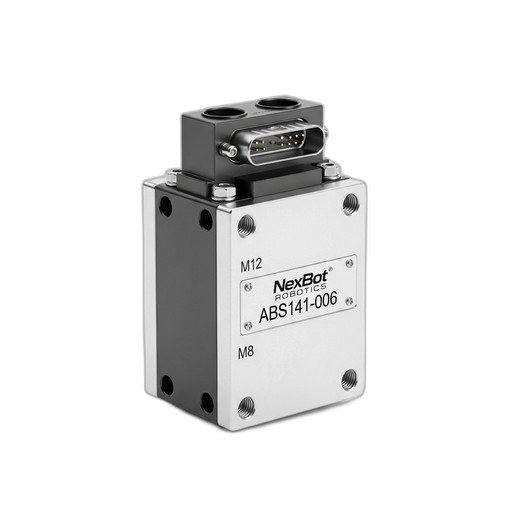
Inside each robotic joint is a high-precision encoder responsible for reporting the exact angular position of that axis. Absolute encoders, such as the NexBot Drives ABS141-006, are critical because they know their exact position even after a power cycle, eliminating the need for a homing sequence. With resolutions reaching 24-bit or higher, these devices are the foundation of robotic accuracy. An encoder failure doesn't just cause a fault; it can lead to inaccurate movements, collisions, and ruined parts.
Key Maintenance Checks:
- Environmental Seal Verification: Even with a high IP67 rating, which protects against dust and water immersion, the seals on an encoder can degrade over time, especially in environments with harsh chemicals or extreme temperature fluctuations. Periodically inspect the housing seals and cable gland for any signs of cracking, brittleness, or contamination. A compromised seal is an invitation for failure.
- Connection and Cabling: The encoder's communication protocol, such as BiSS-C, relies on a clean, stable signal. Vibration from robot operation can slowly loosen connectors. As part of your quarterly maintenance, verify that the encoder's cable connection is secure. Inspect the cable for any signs of rubbing or chafing against other machine parts, which could eventually wear through the jacket and cause a short.
- Diagnostic Monitoring: Most modern robot controllers provide diagnostic feedback from the encoders. Regularly review the controller logs for any encoder-related warnings or faults, such as communication timeouts, position jitter, or 'unreasonable value' errors. These are often early indicators of a developing problem.
- Calibration Verification: While absolute encoders are inherently stable, it's good practice to periodically run a robot mastering or calibration check. This process verifies that the physical position of the robot arm matches the position being reported by the encoders. Any significant deviation could point to a mechanical issue (like slippage in a gearbox) or a problem with the encoder itself.
End-of-Arm Tooling (EOAT): The Point of Action
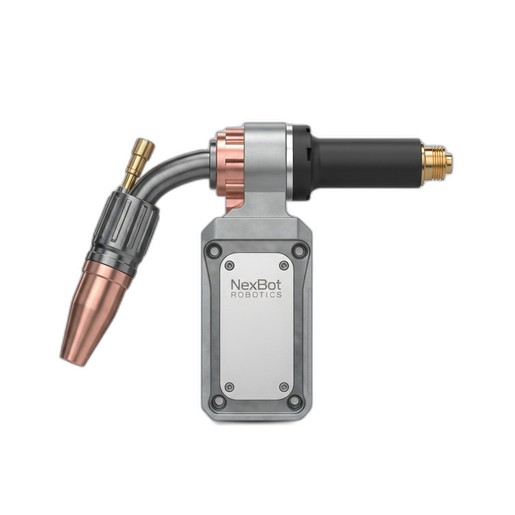
The EOAT is where the robot interacts with the workpiece, and its condition directly impacts the quality of your final product. For a high-demand application like automated welding, the maintenance of the torch is paramount. A tool like the NexBot Drives TIG432-006 Tig Welding Torch, with its 400A capacity and water-cooling system, is a high-performance instrument that requires diligent care.
Key Maintenance Checks for a Robotic Welding Torch:
- Consumable Management: The tungsten electrode, gas nozzle, and collets are wear items by design. Establish a clear replacement schedule based on usage and material type. A worn or contaminated electrode is one of the most common causes of poor arc stability and inconsistent weld quality. Inspect these parts daily, if not per shift.
- Cooling System Health: For a water-cooled torch, the cooling system is essential for preventing overheating and catastrophic failure, especially at a 100% duty cycle. Weekly, check the coolant level in the reservoir and verify the flow rate is within the manufacturer's specification. Look for any leaks in the coolant lines, particularly at connection points. Clogged filters or lines can starve the torch of coolant, leading to rapid degradation.
- Gas Delivery System: Ensure the gas hose is free of leaks and that the flowmeter is providing a consistent, correct flow of shielding gas. Inconsistent gas coverage will result in porosity and a weak, oxidized weld.
- TCP Calibration: The Tool Center Point (TCP) is the focal point of the tool. Any physical impact to the torch or changes in the 'stick-out' of the tungsten electrode can alter the TCP. Periodically verify the TCP's accuracy using the robot's built-in calibration routine or an external jig. A misaligned TCP will cause the robot to weld in the wrong location, deviating from the programmed path.
Conclusion: A Holistic Approach to Robot Reliability
By expanding your preventive maintenance program to include critical components like teach pendants, encoders, and end-of-arm tooling, you adopt a holistic approach to robot reliability. Scheduled inspections and proactive care for these parts will not only prevent unexpected failures and costly downtime but also ensure consistent quality and precision in your automated processes. A well-maintained robot is a productive and profitable robot, from its base to its tooltip.