In modern manufacturing, industrial robots are the backbone of productivity. They operate tirelessly, performing high-speed, high-precision tasks day in and day out. But like any high-performance machinery, they require regular attention to maintain their efficiency, accuracy, and safety. Neglecting maintenance isn't just a risk; it's a guarantee of future downtime, unexpected repair costs, and production bottlenecks. A proactive, well-structured preventive maintenance (PM) program is the single most effective strategy for maximizing your return on investment in automation.
This guide provides a comprehensive checklist to help you build or refine your robotic maintenance routine, ensuring your systems operate at peak condition for years to come.
Foundational Principles of Robot Maintenance
Before diving into a checklist, it's crucial to adopt the right mindset. Preventive maintenance is not a reactive task performed after a failure. It is a scheduled, data-driven process designed to identify and correct potential issues before they escalate. The core goals are to:
- Maximize Uptime: Prevent unexpected breakdowns during critical production runs.
- Ensure Performance: Maintain the robot's specified speed, precision, and repeatability.
- Extend Lifespan: Reduce wear and tear on critical mechanical and electrical components.
- Guarantee Safety: Identify and rectify potential hazards like frayed cables or loose fixtures.
The Robot Manipulator: Core Mechanical Checks
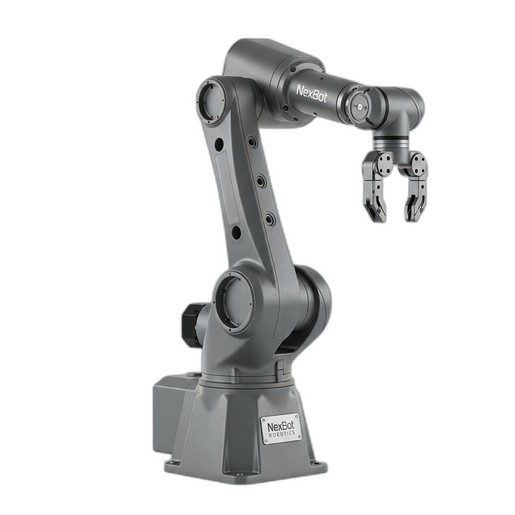
The robot arm itself is the most visible part of the system and endures significant mechanical stress. Regular inspections are non-negotiable.
- Listen and Observe: During operation, listen for any unusual noises like grinding, whining, or clicking from the joints. These can be early indicators of gear wear or bearing issues.
- Check for Leaks: Inspect all joints and gearboxes for signs of oil or grease leakage, which can indicate failing seals.
- Verify Fasteners: Periodically check the torque on all mounting bolts, both at the robot's base and at the end-of-arm tooling flange. Vibrations can cause fasteners to loosen over time.
- Cable Management: Inspect all external cables for signs of abrasion, pinching, or cracking. A damaged cable can lead to intermittent communication errors or a complete system shutdown. Ensure cable dress packs are secure and moving freely without snagging.
For robots like the NexBot Vision STD031-003 SCARA, which are built for high-speed pick-and-place tasks, maintaining the integrity of its 4-axis system is paramount for consistent cycle times and accuracy.
End-of-Arm Tooling (EOAT): The Point of Contact
Your EOAT, including grippers and tool changers, is where the robot interacts with your product. It's a high-cycle area that requires frequent attention.
- Automatic Tool Changers: Components like the NexBot Drives 421-002 Automatic Tool Changer are crucial for application flexibility but are also complex mechanisms. Regularly inspect the locking mechanism for smooth engagement and disengagement. Check for wear on the coupling surfaces and ensure all electrical pins and pneumatic ports are clean and undamaged. A faulty connection here can halt your entire line.
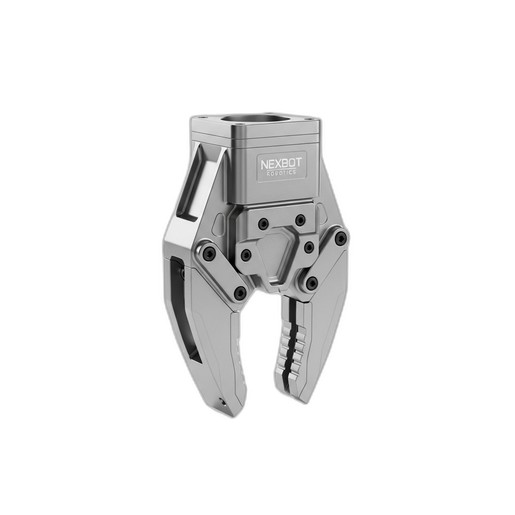
- Gripper Inspection: Check gripper fingers for wear and ensure they are securely fastened. For pneumatic grippers, inspect air lines for leaks.
- Utility Connections: Verify that all electrical, pneumatic, and fluid lines running to the EOAT are secure and free from leaks or damage.
Vision Systems: The Eyes of Automation
Machine vision systems provide critical guidance and quality control, but their performance is dependent on proper maintenance.
- Lens Cleaning: The most common issue with vision systems is a dirty lens. Regularly clean camera lenses and enclosures with appropriate, lint-free materials to ensure a clear, unobstructed view.
- Lighting Check: Verify that all associated lighting is functioning correctly. A flickering or failed light source can cause inconsistent inspection results.
- Calibration Verification: While a full recalibration isn't a daily task, it's important to periodically run a verification routine to ensure the system's accuracy hasn't drifted. Physical bumps to the camera or robot can necessitate recalibration.
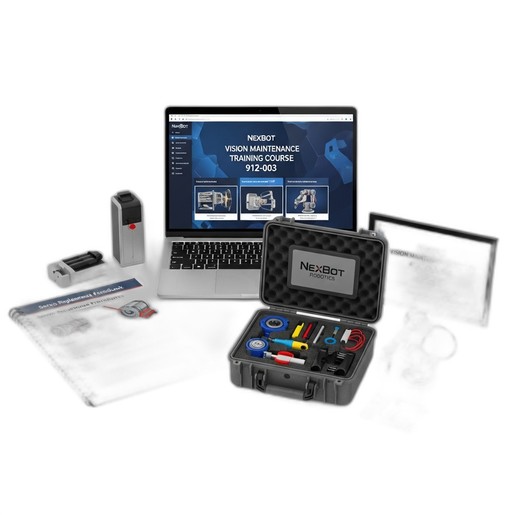
Properly maintaining a vision system requires specific expertise. Technicians need to understand not just the hardware, but the software and calibration procedures. This is where specialized training, such as the NexBot Vision Maintenance Training Course 912-003, becomes invaluable. Equipping your team with the skills to troubleshoot and maintain these systems in-house dramatically reduces reliance on external support and shortens downtime.
Building Your PM Schedule
A structured schedule removes guesswork. Adapt this template to your specific application and operating environment.
- Daily:
- Visually inspect the robot cell for any obvious issues (e.g., debris, leaks).
- Check the controller for any active error messages.
- Observe one full cycle, listening for unusual sounds.
- Weekly:
- Clean the robot arm, controller, and EOAT surfaces.
- Check EOAT connections (electrical and pneumatic).
- Clean vision system camera lenses.
- Monthly:
- Inspect all robot and peripheral cables for wear.
- Verify the tightness of EOAT and robot mounting bolts.
- Check the condition of safety equipment (e-stops, light curtains).
- Annually (or per manufacturer recommendation):
- Perform a comprehensive mechanical inspection.
- Replace batteries in the controller and robot arm.
- Check and/or replace lubricants and greases.
- Review system backups and create a new one.
By investing time in a consistent preventive maintenance program, you transform maintenance from a costly, reactive fire-fight into a strategic advantage that keeps your production lines running smoothly and profitably.