In modern manufacturing, industrial robot arms are the heart of production. They work tirelessly, performing repetitive tasks with precision and speed. However, like any high-performance machinery, they require regular attention to maintain their efficiency, accuracy, and safety. Neglecting preventive maintenance (PM) can lead to unexpected breakdowns, costly repairs, and significant production losses. A structured PM program is not an expense; it's an investment in operational continuity and long-term profitability.
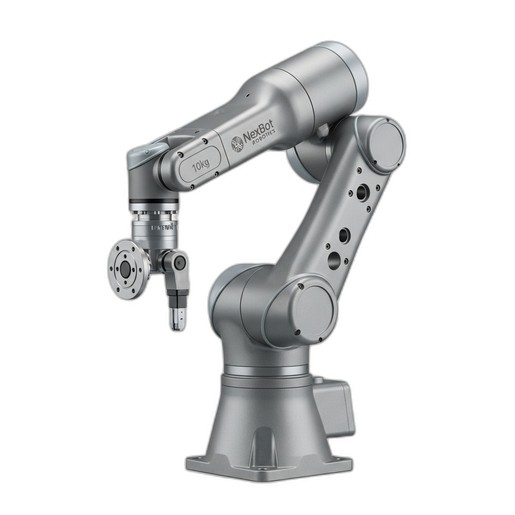
This guide provides a comprehensive checklist for maintaining your industrial robot arms, with a focus on key components that ensure reliable operation. By following a consistent schedule of inspections and service, you can extend the life of your equipment, such as the versatile NexBot Safety SA011-008 6-Axis Robot Arm, and protect your entire automation investment.
Daily Pre-Operation Checks
Before starting any production shift, a quick visual inspection can prevent many common issues. These checks take only a few minutes but are your first line of defense against unexpected downtime.
- Work Area Inspection: Ensure the robot's work envelope is clear of obstructions, debris, and fluid spills. A clean environment is a safe and efficient environment.
- Robot Arm Visual Check: Look for any obvious signs of damage, such as dents, cracks, or loose covers on the robot arm itself.
- End-of-Arm Tooling (EOAT): Check that the gripper or tool is securely mounted and that all pneumatic or electrical lines connected to it are intact.
- Cable and Hose Inspection: Visually inspect the main cable harnesses for signs of fraying, pinching, or excessive wear. Pay close attention to areas where cables flex repeatedly.
- Controller Status: Check the teach pendant or controller interface for any error messages or warning lights. Address any logged faults before starting production.
Weekly Detailed Inspections
A more thorough inspection once a week allows you to catch developing problems before they escalate into major failures.
- Listen for Abnormal Noise: Operate the robot through its typical range of motion at a reduced speed. Listen for any unusual grinding, whining, or clicking sounds from the joints, which could indicate gearbox or bearing issues.
- Check for Fluid Leaks: Inspect the seals around each axis joint for any signs of grease or oil leakage. A small leak can be an early indicator of a failing seal.
- Verify Axis Movement: Manually jog each axis of the robot (e.g., all six axes on the NexBot SA011-008) to ensure smooth and unrestricted movement throughout its entire range.
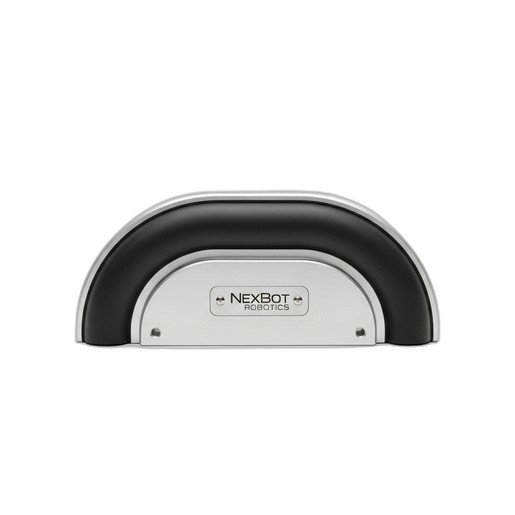
- Test Safety Systems: Function-test critical safety components. For systems equipped with a NexBot Drives 632-006 Collision Sensor Bumper, gently activate it to confirm it sends a stop signal to the robot controller. Verifying safety circuits weekly is crucial for operator protection.
Monthly and Quarterly In-Depth Tasks
These scheduled tasks involve a closer look at components that experience wear and tear over time. Documenting findings from these checks is essential for trend analysis and predictive maintenance.
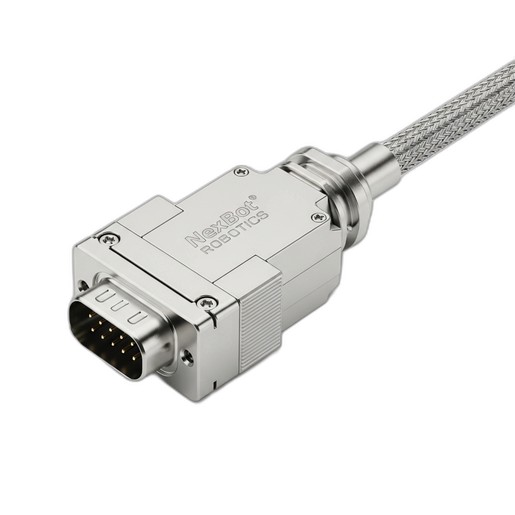
- Connector Integrity Check: Electrical connections are a common point of failure. Carefully inspect all primary connectors for signs of corrosion, bent pins, or loose fittings. For critical connections, a rugged component like the NexBot Robotics 532-005 Rectangular Connector is designed for high reliability with its IP67 rating, protecting it from dust and moisture. However, even the best connectors should be checked to ensure the locking mechanisms are fully engaged and the cable strain relief is secure. A stable PROFINET or EtherCAT connection depends on this physical integrity.
- Inspect Brakes and Motors: With power off and proper lockout/tagout procedures in place, manually check the holding brakes on each motor. Listen for the distinct 'click' of engagement and disengagement. Check motor housings for excessive heat after a production run.
- Clean Controller Vents: The robot controller cabinet contains sensitive electronics that must be kept cool. Inspect and clean all air filters and fan vents to ensure proper airflow and prevent overheating.
- Backup Robot Programs: Perform regular backups of the robot's controller memory, including all programs, system configurations, and tool data. This is critical for rapid recovery after a controller failure or data corruption.
Annual and Bi-Annual Major Servicing
Major servicing should be scheduled during planned plant shutdowns to minimize production impact. These tasks often require specialized tools and training.
- Grease and Lubricant Replacement: Over time, the grease in the robot's gearboxes breaks down. Follow the manufacturer's recommendations for checking grease levels and replacing it at specified intervals. Using the correct type and amount of grease is critical for the longevity of the drivetrain.
- Battery Replacement: The robot controller and the robot arm itself often contain batteries to retain memory and position data when main power is off. These batteries have a finite life (typically 2-3 years) and should be replaced proactively to prevent loss of programs and calibration data.
- Harness and Cable Inspection: Perform a more detailed inspection of all electrical harnesses, especially those that undergo constant flexing. Look for insulation breakdown or chafing. A proactive replacement plan for high-wear cables can prevent intermittent electrical faults that are difficult to troubleshoot.
- Calibration Verification: Over thousands of hours of operation, the robot's mechanical precision can drift. Use calibration tools to verify the robot's mastering and Tool Center Point (TCP) accuracy. Re-calibration may be necessary to maintain the tight tolerances required in applications like assembly or machine tending.
By implementing this tiered maintenance checklist, you transform your maintenance strategy from reactive to proactive. A well-maintained NexBot robot arm, secured with reliable NexBot connectors and protected by NexBot safety sensors, will deliver the performance and uptime your facility demands for years to come.