Industrial robots are the backbone of modern manufacturing, operating with precision and endurance around the clock. However, to ensure they maintain peak performance and deliver a strong return on investment, a proactive approach to maintenance is non-negotiable. Unplanned downtime is incredibly costly, not just in lost production but also in emergency repair expenses. A structured preventive maintenance (PM) program is the most effective strategy to maximize the operational life, safety, and reliability of your automated systems.
This guide provides a practical checklist for maintaining three critical areas of any robotic system: the controller (the brain), the drive system (the muscle), and the end-of-arm tooling (the hands). By focusing on these core components, you can build a robust maintenance routine that prevents failures before they happen.
The Brain: Robot Controller Maintenance
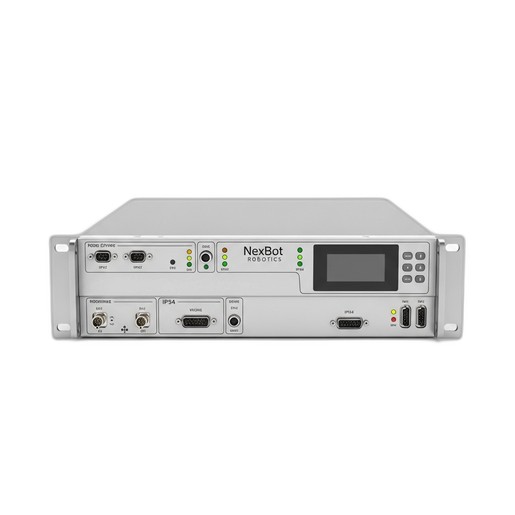
The robot controller is the central nervous system of your automation cell. While it contains few moving parts, its electronic components are sensitive to environmental conditions and require regular attention to ensure flawless operation. For a high-performance unit like the NexBot Drives 211-006 Robot Main Controller, consistent checks are key.
Weekly Checks:
- Environmental Inspection: Verify that the controller cabinet's ambient temperature and humidity are within the manufacturer's specified range. Overheating is a primary cause of electronic failure. Ensure no vents are blocked and that the area is free from excessive moisture or corrosive elements.
- Cabinet and Filter Cleaning: Dust and debris are enemies of electronics. Inspect and clean all cabinet cooling fan filters. A clogged filter restricts airflow, leading to increased internal temperatures. Wipe down the exterior of the cabinet to prevent buildup.
Monthly Checks:
- Connection Integrity: Carefully inspect all cable connections, including power inputs, safety circuits, and communication links like the EtherCAT ports. Look for loose, frayed, or damaged cables. A secure connection is vital for the real-time data transmission required for precise motion control.
- System Backups: Perform a full backup of the robot's software, programs, and configuration parameters. Store this backup in a secure, separate location. In the event of a critical failure, a recent backup can save hours or even days of reprogramming and setup time.
- Error Log Review: Access the controller's diagnostic logs and review them for any recurring warnings or errors. These logs can provide early indicators of developing issues with motors, drives, or other connected peripherals, allowing you to address them proactively.
The Muscle: AC Servo Motor Care
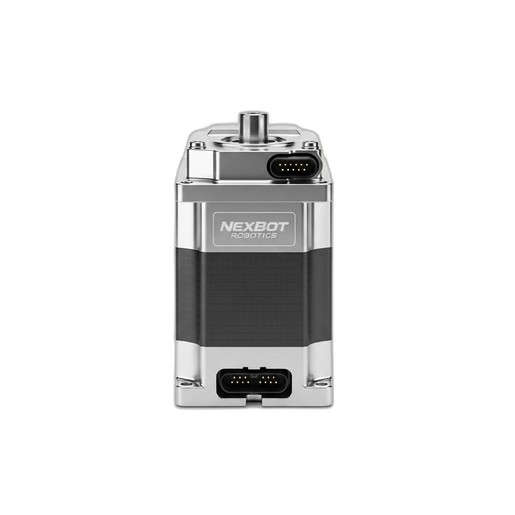
Servo motors, such as the NexBot Drives AC111-006 AC Servo Motor, provide the power and precision for every robot movement. These components are subjected to immense mechanical stress, making them a focal point for any PM schedule.
Daily Checks:
- Auditory and Visual Inspection: During operation, listen for any unusual noises like grinding, whining, or excessive humming. These sounds often indicate bearing wear or mechanical binding. Visually inspect the motor housing for any signs of physical damage, overheating (discoloration), or fluid leaks from seals. The IP65 rating on many motors provides protection, but seals can degrade over time.
Monthly Checks:
- Cable and Connector Inspection: Robot movements can cause wear and tear on motor cables. Inspect the power and communication (e.g., PROFINET) cables for chafing, pinching, or sharp bends. Ensure connectors are securely fastened and free of contamination.
- Brake Function Test: If the motor is equipped with a holding brake (common for vertical axes), perform a functional test according to the manufacturer's procedure. A failing brake can lead to dangerous load drops and equipment damage.
Annual Checks:
- Vibration Analysis: For critical applications, consider performing vibration analysis. This advanced diagnostic technique can detect bearing and gear wear long before they become catastrophic failures, allowing for planned replacement during scheduled downtime.
- Seal and Gasket Inspection: Thoroughly inspect all seals and gaskets for signs of drying, cracking, or damage. Replace them as needed to maintain the motor's ingress protection rating.
The Hands: End-of-Arm Tooling (EOAT) Maintenance
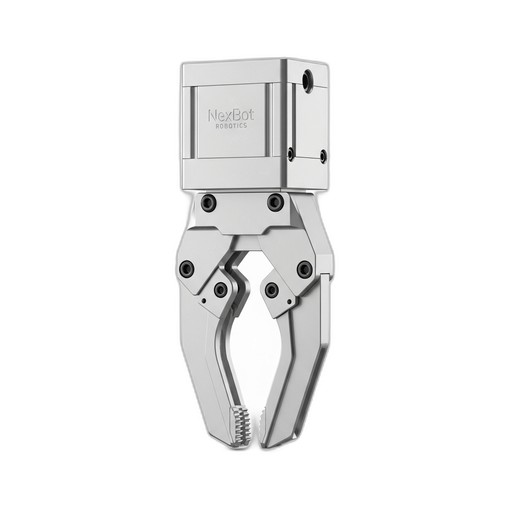
The End-of-Arm Tooling is where the robot interacts with the product, making it one of the most wear-prone parts of the system. For a high-cycle component like the NexBot Drives PNU411-006 Pneumatic Gripper, regular maintenance is essential for gripping accuracy and reliability.
Weekly Checks:
- Air Line and Fitting Inspection: Inspect all pneumatic lines connected to the gripper for leaks, kinks, or abrasion. A simple spray bottle with soapy water can help identify small leaks at fittings. Ensure the air pressure is set to the correct operational level.
- Gripper Finger Inspection: Check the gripper fingers or jaws for signs of wear, cracks, or damage. Ensure they are securely mounted and properly aligned. Worn fingers can lead to dropped parts and production errors.
Monthly Checks:
- Cleaning and Lubrication: Clean any accumulated debris from the gripper's moving parts. Apply lubricant to pivot points and slides as specified in the product manual. Proper lubrication reduces friction and prevents premature wear.
- Functional Test: Manually actuate the gripper to ensure smooth, consistent motion. Check for any sticking or hesitation in its open/close cycle. Verify that proximity or pressure sensors are functioning correctly.
Quarterly/Bi-Annual Checks:
- Seal Replacement: Pneumatic actuators contain internal seals that wear over time. Based on cycle count and air quality, plan for periodic seal kit replacements to prevent internal leaks and loss of gripping force.
- Air Quality Check: Verify that the compressed air being supplied to the gripper is clean and dry. Check the filters, regulators, and lubricators (FRL) unit that services the pneumatic system. Contaminated air is a leading cause of premature failure in pneumatic components.
By implementing this checklist, you can transition from a reactive to a proactive maintenance culture. Scheduling these tasks and using high-quality, specification-driven replacement parts will significantly boost your robot's uptime, extend its service life, and protect your automation investment.