The Unseen Cost of Downtime
In any automated industrial environment, the constant hum of robotic arms is the sound of productivity. When that sound stops, so does production. Unplanned downtime is more than an inconvenience; it's a direct hit to your bottom line, costing manufacturers thousands of dollars per minute. The most effective strategy to combat this is not reactive repair, but proactive, preventive maintenance (PM). A well-structured PM program is the single best investment you can make in the longevity, reliability, and safety of your robotic assets. It transforms maintenance from a costly emergency into a predictable, scheduled activity that safeguards your operations.
This guide provides a practical checklist for maintaining three critical areas of your industrial robots: mechanical lubrication, electrical connections, and safety systems. By focusing on these core components, you can build a robust maintenance routine that prevents common failures before they occur.
Lubrication: The Lifeblood of Robotic Motion
Just like any high-performance mechanical system, an industrial robot's joints and gearboxes rely on proper lubrication to function correctly. Gearbox oil is essential for reducing friction, dissipating heat, and preventing premature wear on gears and bearings. Neglecting it can lead to increased operational temperatures, higher energy consumption, and eventually, catastrophic mechanical failure.
Maintenance Checklist:
- Regular Inspection: Visually inspect for any signs of oil leakage around gearbox seals and gaskets. A leak indicates a failing seal that needs immediate attention.
- Oil Analysis: For critical applications, periodic oil analysis can reveal the health of the gearbox. Technicians can test for viscosity breakdown, particle contamination, and chemical changes, providing an early warning of internal wear.
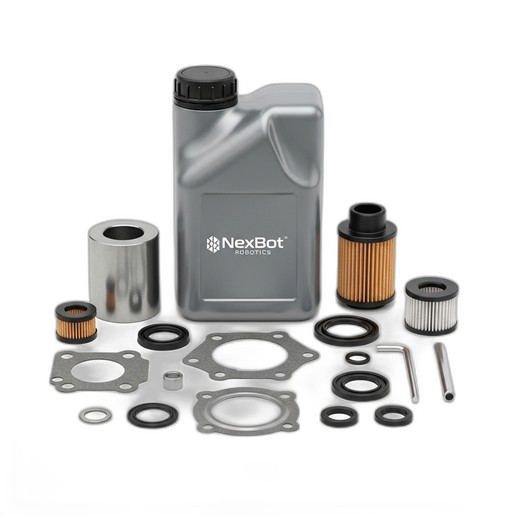
- Scheduled Replacement: Adhere strictly to the manufacturer's recommended service intervals for oil changes. Using a high-quality, specification-matched lubricant is crucial. For instance, the NexBot Vision 732-003 Gearbox Oil (ISO VG 150) is formulated to meet the demands of high-torque robotic systems, ensuring consistent performance and protection. Using the correct viscosity (like ISO VG 150) is non-negotiable for maintaining the gearbox's operational integrity.
Signs of Wear:
- Milky or cloudy appearance, indicating water contamination.
- Dark, burnt smell, suggesting thermal breakdown.
- Visible metal shavings or particles, a clear sign of internal gear wear.
Electrical Integrity: Securing the Nervous System
The complex network of cables and connectors is the nervous system of your robot, transmitting power and critical data for every movement. A single loose or corroded connection can cause intermittent faults that are notoriously difficult to diagnose, leading to erratic behavior, dropped signals, and unexpected shutdowns.
Maintenance Checklist:
- Visual Cable Inspection: Regularly inspect all cables for signs of abrasion, cracking, or kinking, especially at points of high flex and movement. Ensure cable routing prevents pinching or stretching.
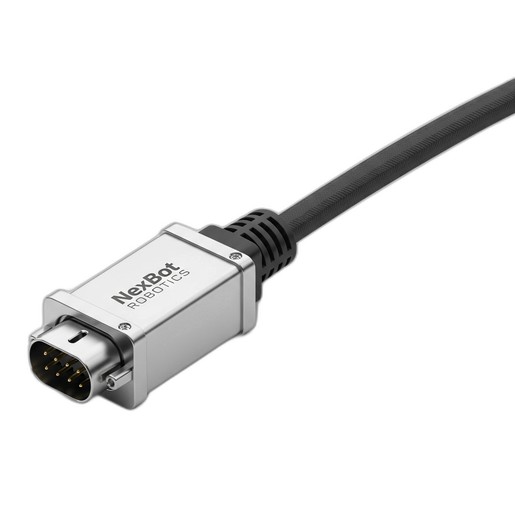
- Connector Security: Check that all connectors are securely fastened. Vibrations during operation can cause them to loosen over time. A robust connector like the NexBot Robotics 532-004 Rectangular Connector is designed for these environments, but a physical check is still best practice.
- Environmental Protection: Ensure all connector seals are intact. The IP67 rating on components like the NXB-CBL-532-004 indicates protection against dust and water ingress. A compromised seal negates this protection, exposing sensitive pins to corrosion and short-circuits.
Signs of Wear:
- Flickering status lights on the robot controller or peripherals.
- Corrosion (green or white powder) on connector pins.
- Frayed insulation or exposed wiring near the connector backshell.
- Increased communication errors, such as those on a PROFINET network, which can sometimes be traced back to a physical layer issue.
Safety Systems: Non-Negotiable Functional Checks
Safety components are your first and most important line of defense in protecting personnel and equipment. These systems must be treated as active, critical components that require regular verification. A safety system that isn't tested is a system you can't trust.
Maintenance Checklist:
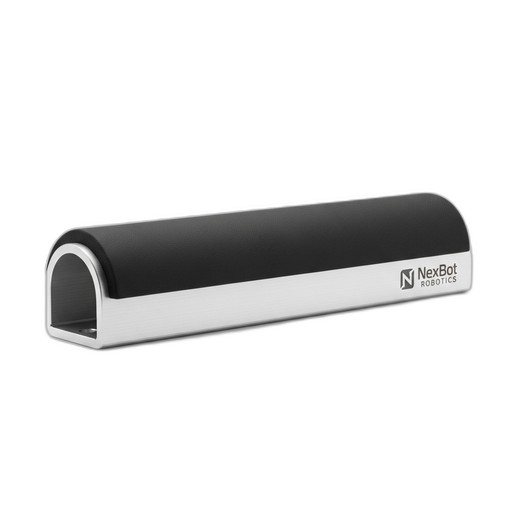
- Physical Inspection: Examine safety bumpers, light curtains, and area scanners for physical damage. For a component like the NexBot Robotics 632-005 Collision Sensor Bumper, look for cracks, tears, or deformation in the bumper material that could impede its function.
- Functional Testing: Regularly and safely trigger each safety device to confirm it sends a stop signal to the robot controller. When testing a collision bumper, ensure it responds immediately upon contact and that the mechanism isn't sticking. Verify that the full 25 mm of overtravel is clear and functions smoothly.
- Cleanliness: Keep sensors clean. Dust, grease, or debris on light curtains or vision-based safety systems can cause false trips or, worse, prevent them from detecting a true hazard. A simple wipe-down is an easy but vital PM task.
Signs of Wear:
- The bumper feels overly rigid or fails to compress when light pressure is applied.
- Visible damage or deep gouges in the bumper housing.
- Intermittent or frequent nuisance trips from the safety circuit without an obvious cause.
Building Your PM Schedule
Integrating these checks into a tiered schedule ensures nothing gets missed.
- Daily/Per-Shift: Quick visual inspection for leaks, cable damage, and obvious faults. Check for any error messages on the teach pendant.
- Weekly: Perform functional tests of key safety systems like the collision bumper. Wipe down sensors. Check for loose connectors.
- Monthly: Deeper inspection of cable harnesses and connectors. Check for unusual noise or vibration from gearboxes.
- Annually (or per OEM hours): Execute major maintenance tasks like changing the gearbox oil with a product like NXB-GBX-732-003, replacing batteries, and conducting a full system calibration.
By embracing a proactive maintenance culture and investing in durable, high-quality components, you shift the focus from fixing failures to preventing them entirely. This not only boosts your OEE (Overall Equipment Effectiveness) but also creates a safer, more reliable, and more profitable production environment.