
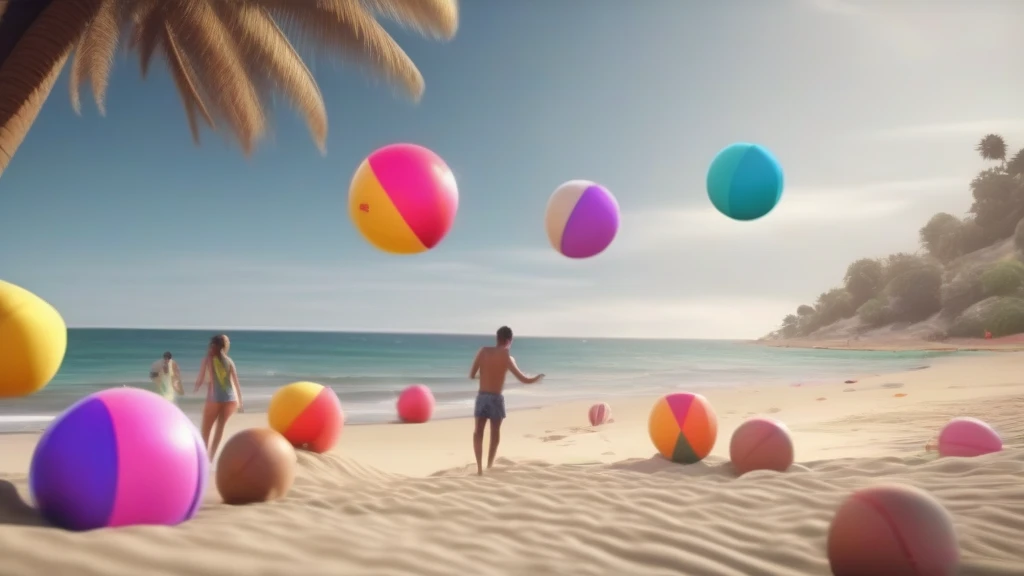
Beach balls are a quintessential part of outdoor fun, especially when it comes to beach trips, pool parties, and sunny days by the water. For those new to this colorful and playful category of toys, understanding the basics can help ensure you pick the right beach ball for your needs and enjoy hours of entertainment safely and comfortably. This beginner’s guide covers everything from terminology and key features to practical buying tips and first-time user recommendations.
What Is a Beach Ball?
At its core, a beach ball is an inflatable ball designed for recreational use on sand, in water, or around pools. Typically made from durable, waterproof materials such as PVC, nylon, or eco-friendly plastics, beach balls are lightweight, portable, and visually vibrant. Their buoyant nature makes them ideal for water play, while their soft, inflatable structure reduces injury risk during active games.
Common Sizes and Their Uses
Beach balls come in a variety of sizes to suit different age groups and activities:
- Mini Beach Balls (~12 inches): These compact balls are perfect for younger children or group games where multiple balls are in play. Their smaller size makes them easier to handle for little hands and convenient for carry-along fun.
- Standard Beach Balls (~16-24 inches): These are the most common sizes, great for family outings and casual beach or pool games like toss, volleyball, or relay races.
- Jumbo Beach Balls (~36-48 inches): Designed for adults and party settings, jumbo balls add an element of spectacle and are excellent for large-group games or festive beach parties.
Key Features to Understand
When shopping for your first beach ball, knowing the terminology and features can help you make an informed choice.
Materials and Durability
Most beach balls are constructed from PVC or nylon, materials chosen for their waterproof and flexible properties. Some premium models incorporate neoprene or rubber coatings for enhanced tear- and impact-resistance, which is especially useful if you plan to use the ball frequently or in rougher environments.
Eco-conscious buyers should look for beach balls made from eco-friendly plastics or components that are recyclable, reflecting a growing trend toward sustainability without sacrificing durability.
Safety and Certifications
Safety is paramount, especially when children are involved. Reputable beach balls often carry safety certifications such as CE EN 71, ASTM F963, TÜV, or ISO marks, indicating compliance with international toy safety standards. Additionally, many balls feature child-safe, non-toxic coatings, ensuring that materials are free from harmful chemicals.
Design and Visual Features
Beach balls typically feature multi-colored panels, enhancing visibility and adding to their festive appeal. Some models go beyond traditional colors by incorporating glow-in-the-dark or LED light-up features, which extend playtime into evening hours and create a captivating ambiance during night beach or pool parties.
Inflation Mechanisms and Accessories
Inflatable design is a defining characteristic of beach balls. The quality of the inflation system can impact convenience and durability:
- Dual-valve systems allow for quick inflation and secure sealing to prevent air leaks.
- Compatibility with manual or electric pumps varies, but many beach balls come with valves designed for easy use with standard pump nozzles.
- Some products include repair patches and storage bags for on-the-go maintenance and easy transport.
Grip and Handling
Look for beach balls with anti-slip or textured surfaces, which improve grip, especially when wet. This feature can be a game-changer during active play, enabling better control during tosses and catches.
What to Expect When Using a Beach Ball
Beach balls are versatile and easy to integrate into various outdoor activities. Here are some common use cases:
- Recreational Toss Games: Simple catch and throw games are perfect for all ages and skill levels.
- Water Volleyball: Using a larger beach ball can make water volleyball accessible and fun without the need for a formal net.
- Relay Races: Incorporate beach balls into team races on the sand or in shallow water for an active group experience.
- Pool and Beach Parties: Glow-in-the-dark and LED-lit beach balls add excitement and decoration to gatherings.
- Casual Play: Kids and adults alike enjoy the lightweight, buoyant design for casual bouncing and rolling.
First-Time Buyer Recommendations
If this is your first time purchasing a beach ball, consider the following tips:
1. Choose the Right Size for Your Group
- For families with young children, a 12-16 inch ball is manageable and safe.
- For mixed-age groups or pool parties, a standard 20-inch ball balances portability and visibility.
- For large events or adult fun, try a jumbo 36-48 inch ball to maximize impact and engagement.
2. Prioritize Durability and Safety
- Look for tear-resistant materials and UV protection to prevent fading and weakness from sun exposure.
- Ensure the ball has child-safe, non-toxic coatings and relevant safety certifications.
3. Consider Additional Features
- If you plan to use the ball after sunset, a glow-in-the-dark or LED light-up beach ball can enhance the experience.
- Check if the ball includes a dual-valve system for easy inflation and a repair patch kit for emergencies.
- For eco-conscious purchases, seek out models with eco-friendly materials or recyclable components.
4. Plan for Inflation and Storage
- Decide whether you will use a manual pump or an electric pump and verify valve compatibility.
- A storage bag can be invaluable for keeping your ball clean and protected between uses.
Maintaining and Caring for Your Beach Ball
To extend the life of your beach ball and keep it in top condition:
- Always rinse off sand and saltwater after use to prevent material degradation.
- Avoid overinflation, which can stress seams and valves.
- Store your ball in a cool, dry place away from direct sunlight when not in use.
- Patch small holes promptly using the provided repair kit or an appropriate adhesive patch.
Final Thoughts
Beach balls are a fun, accessible way to enhance outdoor recreation for people of all ages. By understanding their sizes, materials, safety features, and additional options like glow effects or eco-friendly construction, newcomers can confidently select a beach ball that suits their needs and maximizes enjoyment. Whether you’re planning a family beach day, a poolside party, or simply want a lightweight, portable toy for casual play, the right beach ball is waiting to bring color and excitement to your outdoor adventures.