
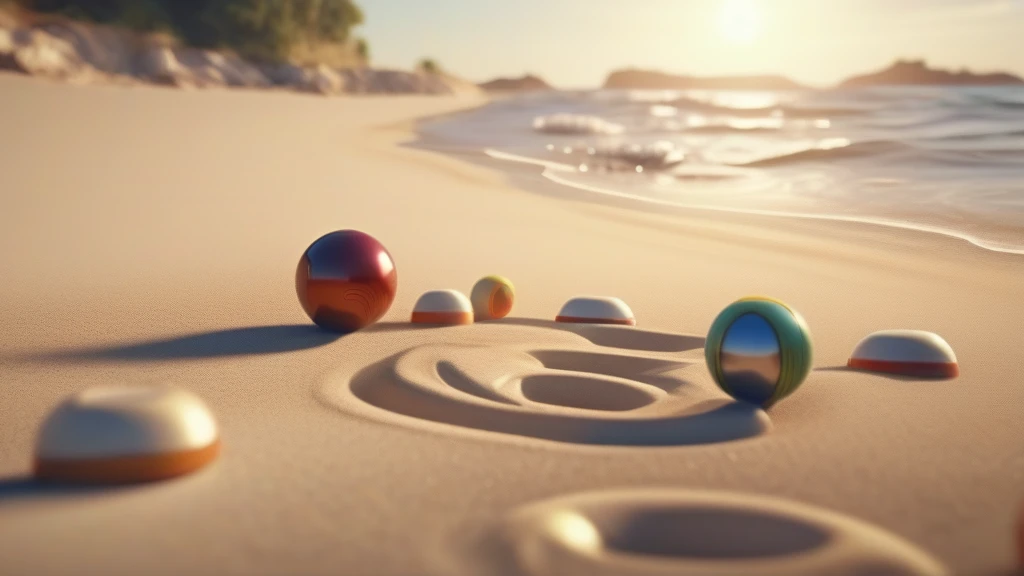
Spending time outdoors, especially at the beach, backyard, or camping site, is a perfect way to relax and bond with family and friends. Beach and sand toys, particularly toss and pétanque-style games, have long been favorites for outdoor entertainment that combines fun, skill, and social interaction. If you’re new to this category and wondering where to start, this beginner’s guide will walk you through the basics, key terminology, what to expect, and how to select your first set of beach and sand toys with confidence.
Understanding the Basics of Beach & Sand Toys
What Are Beach & Sand Toys?
Beach & sand toys primarily include games designed for outdoor play on sand, grass, gravel, or even indoor surfaces. The most popular among these are pétanque and boules sets and ring or disc toss games. These games encourage players to toss or roll balls or rings towards a target, often requiring precision, control, and strategic thinking.
Common Game Types
- Pétanque and Boules: Originating from France, pétanque is a precision ball game where players toss metal or resin balls as close as possible to a smaller target ball called a “cochonnet” or jack.
- Ring Toss and Disc Toss: These games involve throwing rings or discs aiming for pegs or targets, ideal for kids and family groups.
- Glow-in-the-Dark & UV-Resistant Games: Designed for extended play into the evening or under bright sun, these sets feature materials that glow or resist fading.
Key Terminology Every Beginner Should Know
- Boules: Metal or resin balls used in pétanque.
- Cochonnet (Jack): The small target ball players aim for in pétanque.
- Ergonomic Grip: Handles or ball designs shaped to fit comfortably in the hand, enhancing control.
- Weatherproof: Materials designed to withstand exposure to sun, water, and sand without damage.
- Rust-Resistant: Typically applies to metal balls and components, ensuring longevity.
- Adjustable Ball Diameters: Some sets allow you to modify ball size for different player comfort levels.
- Safety Certifications: Marks like CE, ASTM, and TÜV indicate products meet child-safety and quality standards.
What to Expect When Starting Out
Materials and Durability
Beach and sand toys come in a variety of materials tailored to different uses and skill levels:
- Carbon Steel and Stainless Steel Balls: Offer precision and durability, ideal for serious or tournament play. Stainless steel provides excellent rust resistance.
- Aluminum Balls: Lightweight alternatives that still offer good durability.
- Impact-Resistant Resin and Eco-Friendly Plastics: Common in children’s sets, these materials are safe, non-toxic, and often recyclable.
- Foam, Mesh, and Nylon Rings: Typically used in toss games for kids, providing a soft, safe play experience.
Expect your beginner set to balance durability with ease of use. For instance, soft resin balls are easier for kids to handle, while metal balls offer more challenge for adults learning pétanque.
Portability and Setup
Most beach and sand toy sets focus on portability:
- Compact carrying cases are standard, allowing you to pack games easily for trips.
- Lightweight components make transport effortless.
- Setup is usually quick — just pick your playing area and start tossing.
Choosing Your First Beach & Sand Toy Set
Consider Your Audience and Use Case
- For Families with Young Children: Look for lightweight, brightly colored sets made from non-toxic, child-safe materials with soft, impact-resistant balls or rings. Safety certifications are a must.
- Casual Beachgoers and Backyard Enthusiasts: Durable plastic or resin sets that are weatherproof and abrasion-resistant provide good value and easy maintenance.
- Beginner Adults Interested in Pétanque: Entry-level carbon steel or aluminum boules with ergonomic grips and balanced weight help improve accuracy and comfort.
- Travelers and Campers: Choose compact, portable kits with complete accessories like measuring tapes and scoring sheets, often with adjustable ball sizes to suit multiple players.
Key Features to Look For
| Feature | Why It Matters | Recommended For |
|---|---|---|
| Weatherproof & Rust-Resistant Materials | Ensures longevity despite exposure to sand and water | Beach and poolside play |
| Ergonomic Grips & Textured Surfaces | Enhances control and accuracy for all skill levels | Beginners and competitive players |
| Safety Certifications (CE, ASTM, TÜV) | Guarantees non-toxic, child-safe products | Families with children |
| Glow-in-the-Dark or UV-Resistant Features | Extends playtime and maintains aesthetics | Evening beach games and sunny days |
| Adjustable Ball Diameters | Customizes experience for hand size and skill | Multi-age groups and novices |
| Complete Kits with Accessories | Includes measuring tape, scoring sheets, and instructions | New players learning the rules |
Getting Started: Basic Rules and Tips for Beginners
How to Play Pétanque
- Setup: Draw a circle (or use a marked area) from which players throw.
- Throwing the Cochonnet: One player tosses a small wooden or plastic jack about 6 to 10 meters away.
- Tossing Boules: Players take turns tossing their boules, aiming to land as close as possible to the jack.
- Scoring: The team with the closest boule scores points, based on the number of boules nearer than the opponent’s closest boule.
- Winning: Play continues until a team reaches a predetermined score (usually 13 points).
Tips for Toss and Ring Games
- Start with short distances and lightweight rings or discs.
- Focus on smooth, controlled tosses rather than power.
- Make use of textured or grooved grips to improve accuracy.
- Adjust difficulty levels by changing target distances or using different sized rings.
Caring for Your Beach & Sand Toys
Maintenance Tips
- Cleaning: Rinse balls and rings with fresh water after use in sand or saltwater to prevent abrasion and corrosion.
- Storage: Keep sets in their carrying cases in a cool, dry place away from direct sunlight to preserve colors and materials.
- Inspection: Regularly check for cracks or damage, especially in resin or plastic components, and replace worn pieces.
- Eco-Friendly Disposal: Choose recyclable materials where possible and dispose of damaged parts responsibly.
Final Thoughts: Making the Most of Your Beach & Sand Toys
Starting with beach and sand toys opens up a world of outdoor fun that combines physical activity, hand-eye coordination, and social bonding. By understanding the materials, features, and gameplay basics, beginners can select sets that suit their needs—whether playing casual games with family or developing skills for more competitive pétanque.
Investing in quality, weatherproof, and safe products ensures your toys will last through many beach outings, backyard games, and camping trips. Remember, the key to enjoyment is not just winning, but sharing active, engaging moments with friends and loved ones in the fresh air.
So grab a set designed for your group, learn the rules, and start tossing your way to endless outdoor entertainment!