
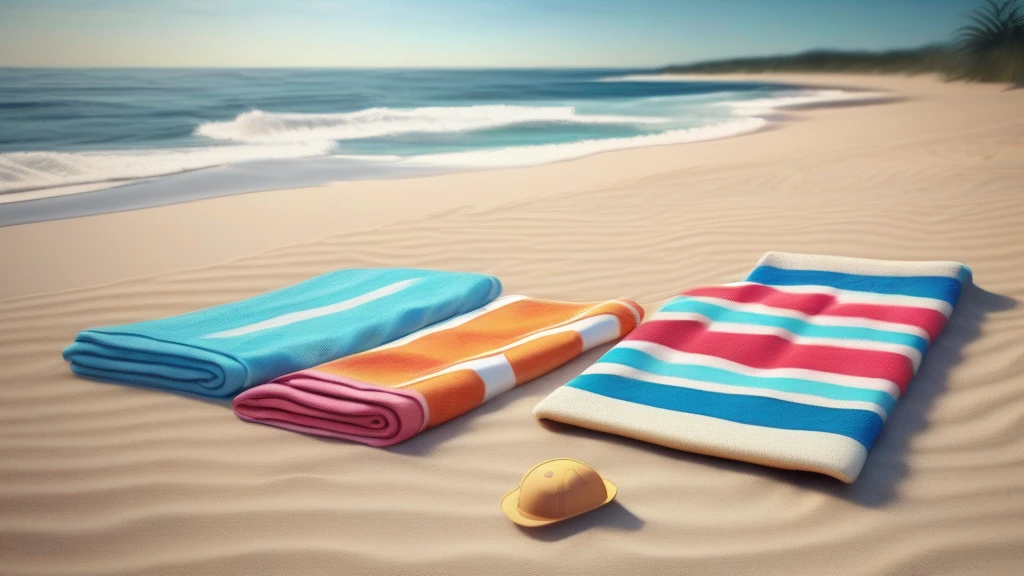
Heading to the beach, pool, or any water-related adventure is always exciting—but choosing the right beach towel can make a huge difference in your overall experience. For newcomers, the world of beach towels may seem straightforward, but there’s quite a bit to consider when selecting the perfect towel that balances comfort, functionality, and style. This beginner’s guide will walk you through the essentials of beach towels, covering key materials, features, sizes, and practical tips to help you make an informed choice.
Understanding Beach Towels: What Makes Them Special?
Unlike regular bath towels, beach towels are designed to meet the needs of active outdoor lifestyles. Whether you're a beachgoer, swimmer, camper, or traveler, these towels emphasize qualities that enhance convenience and performance in wet, sandy, and sunny environments.
Core Characteristics of Beach Towels
- Quick-Drying: Many beach towels use materials like microfiber or polyester blends that dry faster than traditional cotton, helping you stay comfortable and preventing mildew buildup.
- High Absorbency: Towels must effectively absorb water after swimming or sweating, which is why blends with organic cotton or bamboo are popular for their moisture-wicking properties.
- Portability: Lightweight and compact designs, often paired with travel-friendly accessories like hanging loops or reusable storage bags, allow easy packing and carrying.
- Durability: Reinforced borders, double-stitched edges, and abrasion-resistant fabrics ensure your towel withstands rough sand, frequent washing, and outdoor use.
- Hygiene & Comfort: Features like antimicrobial treatments, odor resistance, and UV protection add layers of health and comfort benefits.
With these attributes in mind, you can better understand what to expect from different types of beach towels and how they fit your lifestyle.
Choosing the Right Material: Pros and Cons
Material selection is paramount when picking a beach towel, as it influences absorbency, drying time, feel, and environmental impact.
Microfiber Towels
- Benefits: Microfiber towels are known for their ultra-lightweight, compact design and incredibly fast drying times. They absorb moisture efficiently despite their slim profile, making them favorites among travelers and gym enthusiasts.
- Considerations: They tend to be less plush and soft compared to cotton towels, which might affect comfort for some users.
Organic Cotton Towels
- Benefits: Organic cotton offers a soft, luxurious feel and excellent absorbency. Towels made from organic cotton often carry certifications like GOTS or Oeko-Tex, reflecting sustainable farming and manufacturing practices.
- Considerations: They take longer to dry than microfiber, and larger, thicker cotton towels can be heavier and less portable.
Bamboo Towels
- Benefits: Bamboo fibers provide natural antimicrobial properties and moisture-wicking capabilities, making these towels hygienic and resistant to odors. Bamboo blends also feel silky smooth and environmentally friendly.
- Considerations: Bamboo towels may require special care to maintain their softness and longevity.
Polyester Blends
- Benefits: Polyester combined with other fibers can create durable, abrasion-resistant towels that dry quickly and resist damage from sun and sand.
- Considerations: Pure polyester towels may lack the plushness of natural fibers and can feel less breathable.
Size and Thickness: Finding Your Ideal Fit
Beach towels come in a variety of sizes and thicknesses tailored to different uses:
- Standard Beach Towels: Typically measure around 30" x 60" to 35" x 70". These are large enough to comfortably lie on or wrap around yourself.
- Oversized Towels: For families or those who like extra space, oversized options (up to 40" x 80" or more) provide ample room but may be heavier and bulkier.
- Compact Towels: Designed for travelers and campers, these towels prioritize portability with smaller dimensions and thinner profiles.
- Thickness: Thicker towels offer more cushioning and warmth but take longer to dry and pack. Thin towels dry faster and fold smaller but may sacrifice comfort.
Consider your primary use—whether lounging on the sand, drying off after a swim, or carrying a towel on a backpacking trip—to determine the best size and thickness for your needs.
Key Features to Look For in Your First Beach Towel
When shopping for your first beach towel, keep these important features in mind to match your lifestyle and preferences:
Quick-Dry Technology
A towel with quick-dry fabrics like microfiber or polyester blends will help you stay dry and avoid the discomfort of a damp towel. This feature is especially valuable for travelers and campers who need to pack light and avoid mildew.
Sand-Free and Ventilated Designs
Some towels incorporate special weave patterns or ventilation panels that help shake off sand easily and enhance airflow. These features improve comfort and reduce cleanup time after beach visits.
Antimicrobial and Odor Resistance
Outdoor towels can develop smells if they stay wet too long. Towels treated with antimicrobial agents help prevent odor-causing bacteria, keeping your towel fresh over multiple uses.
UV Protection
UV-resistant towels protect your skin when you lie on them under the sun and prevent the fabric from fading and degrading over time, extending the towel’s lifespan.
Durable Edges and Reinforcements
Strong hems and double stitching prevent fraying and ensure your towel withstands rough terrain, frequent washing, and regular use without falling apart.
Portability Accessories
Look for towels that come with hanging loops, reusable storage bags, or carry straps. These make it easier to dry your towel on the go and keep it clean and compact in your bag.
Caring for Your Beach Towel: Tips for Longevity
Proper care will maximize your towel’s lifespan and maintain its performance:
- Washing: Follow the care instructions specific to the material—microfiber towels generally require gentle washing without fabric softeners, which can clog fibers and reduce absorbency.
- Drying: Air dry whenever possible for bamboo and organic cotton towels to preserve softness; machine drying on low heat is usually fine for polyester blends.
- Avoiding Sand Damage: Shake out sand before washing and avoid washing with rough items like jeans to prevent abrasion.
- Storage: Keep towels dry and ventilated when stored to prevent mildew and odors.
Final Thoughts: Making Your Beach Towel Work for You
Choosing your first beach towel is about balancing practical needs with personal preferences. If you prioritize lightweight, quick-drying gear for hiking or travel, microfiber or polyester blend towels with compact designs and portability features are excellent choices. For those seeking comfort and sustainability, organic cotton or bamboo towels with eco-friendly certifications provide softness and environmental peace of mind.
Remember to consider towel size, thickness, and additional features like antimicrobial treatment or sand resistance to ensure your towel supports your outdoor lifestyle. With the right towel, you’ll be ready to enjoy every sun-soaked adventure in comfort and style.