
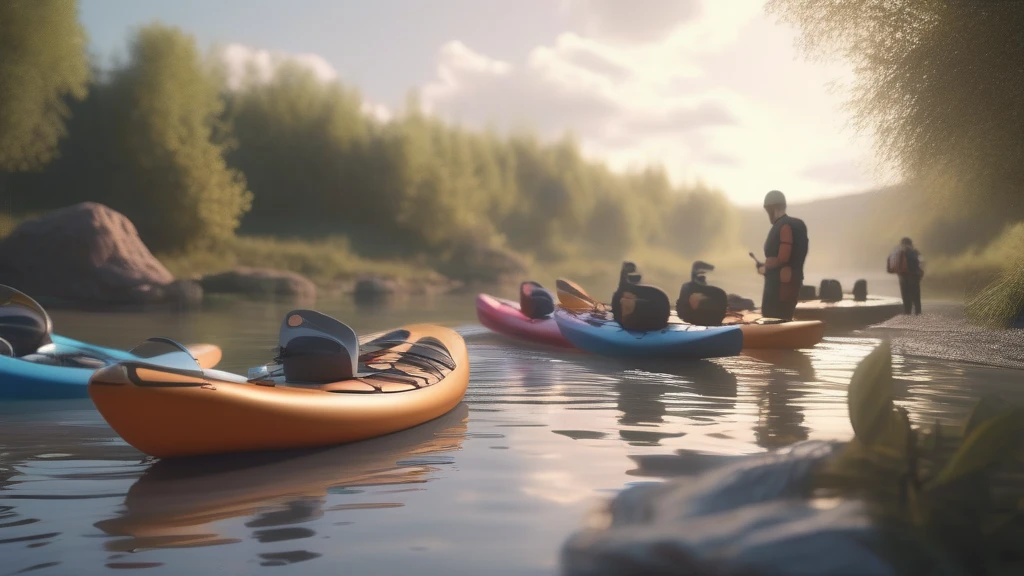
Boating and rafting are thrilling ways to explore waterways, enjoy nature, and challenge yourself physically. For beginners, stepping into this world can feel overwhelming with the variety of equipment, terminology, and safety considerations involved. This guide aims to demystify the essentials of boating and rafting, focusing particularly on kayaks and canoes — the most popular watercraft for recreational paddling. We’ll cover key concepts, important gear, maintenance basics, and practical tips to help you confidently embark on your first adventure.
Understanding the Basics of Boating & Rafting
What Is Boating & Rafting?
Boating broadly refers to traveling or recreating on water using vessels like kayaks, canoes, rafts, or motorboats. Rafting, often associated with navigating whitewater rivers, uses inflatable rafts designed for rougher conditions. Kayaks and canoes, made from lightweight materials, are ideal for calm lakes, slow rivers, and coastal exploration.
Key Terminology to Know
- Hull: The body or main shell of your watercraft.
- Mounting Hardware: Brackets, clamps, or hinges used to attach accessories or gear to your boat.
- Fasteners: Screws, bolts, clips, or straps that secure parts or equipment.
- Repair Kits: Sets containing sealants, patches, and adhesives to fix hull damage.
- Handles: Grips attached to boats for carrying or securing.
- Sealant: Waterproof compounds applied to prevent leaks.
- UV Protection: Coatings or sprays that shield your craft’s materials from sun damage.
By familiarizing yourself with these terms, you’ll better understand product descriptions and maintenance instructions.
Essential Gear for Beginners
Starting out, your focus should be on durable, easy-to-use gear that ensures safety and longevity of your watercraft. Here’s a breakdown of key product categories and what to look for:
Mounting Hardware
Mounting brackets and clamps are critical when you want to add accessories like fishing rod holders, GPS units, or storage containers to your kayak or canoe. For beginners, look for:
- Universal Fit: Mounting brackets made from corrosion-resistant stainless steel or anodized aluminum that fit most popular kayak and canoe models.
- Lightweight and Portable Designs: High-impact nylon or composite plastic components that don’t add excessive weight.
- Quick Installation: Systems featuring quick-release mechanisms or tool-free clamps to make setup straightforward.
- Weatherproof Coatings: UV-resistant finishes to prevent sun damage and rust.
Handles and Fasteners
Handles make carrying your boat easier and safer, while fasteners secure parts and gear during paddling:
- Ergonomic Handles: Look for padded, non-slip grips made from marine-grade silicones or composite plastics.
- Durable Fasteners: Stainless steel screws or bolts with corrosion resistance ensure long-lasting reliability.
- Safety Features: Quick-release straps help secure gear and enable rapid detachment in emergencies.
Repair Kits and Sealants
Accidental hull damage is common among new paddlers. Having a reliable repair kit onboard is essential:
- Complete Kits: Include marine-grade sealants, patches, waterproof adhesives, and sandpaper for prepping surfaces.
- Eco-Friendly Materials: Non-toxic, biodegradable sealants that don’t harm aquatic ecosystems.
- Versatility: Kits suitable for different hull materials such as polyethylene, fiberglass, or inflatable PVC.
- Certifications: Look for ISO or Marine Safety Ratings to ensure quality.
Maintenance Accessories
Maintaining your craft extends its lifespan and ensures safety:
- UV Protectors: Sprays and coatings that shield hulls and accessories from sun damage.
- Cleaners: Biodegradable, non-abrasive products safe for composite plastics and painted surfaces.
- Strap Systems: Adjustable straps to secure gear tightly and minimize movement in rough waters.
Preparing for Your First Boating or Rafting Trip
Safety First: Essential Tips
- Always wear a Coast Guard-approved personal flotation device (PFD).
- Test quick-release straps and mounting hardware before launching.
- Inspect handles and fasteners for wear or corrosion.
- Pack a repair kit and know how to use it.
- Check weather and water conditions in advance.
Step-by-Step DIY Installation of Mounting Hardware
- Choose the Right Location: Identify flat, accessible areas on your kayak or canoe hull.
- Clean the Surface: Remove dirt and oils using a suitable cleaner.
- Mark Drill Points: Use the mounting bracket as a template.
- Drill Pilot Holes: Use appropriate drill bits to avoid damaging hull materials.
- Attach Hardware: Secure brackets or clamps using stainless steel screws or bolts.
- Test Stability: Gently tug accessories to ensure firm installation.
Selecting Your First Repair Kit
- Assess your watercraft’s hull composition (polyethylene, fiberglass, or inflatable PVC).
- Opt for kits with patch sizes and sealants compatible with your craft.
- Choose kits with clear instructions and all necessary tools included.
- Favor eco-certified products to reduce environmental impact.
Material Comparisons for Boating Hardware
Selecting the right hardware material affects durability, weight, and maintenance:
| Material | Durability | Weight | Corrosion Resistance | Typical Use Cases |
|---|---|---|---|---|
| Stainless Steel | Very High | Moderate | Excellent | Fasteners, mounting brackets |
| Anodized Aluminum | High | Lightweight | Very Good | Mounting hardware, clamps |
| High-Impact Nylon | Moderate | Very Lightweight | Good (UV-resistant) | Handles, clamps, quick-release parts |
| Composite Plastics | Moderate to High | Lightweight | Excellent | Handles, strap buckles, repair tools |
For beginners, a mix of stainless steel fasteners and lightweight nylon or composite handles usually strikes the best balance between strength and ease of use.
Sustainable Practices in Boating & Rafting
Choosing eco-friendly accessories and maintenance products helps preserve the waterways you enjoy:
- Select biodegradable sealants and cleaners to minimize chemical runoff.
- Use hardware with certifications such as TÜV or CE that ensure environmental responsibility.
- Avoid products containing heavy metals or harmful solvents.
- Regularly inspect and maintain your gear to reduce waste from premature replacements.
Conclusion
Starting your boating and rafting journey with the right knowledge and equipment sets you up for safe, enjoyable adventures on the water. Prioritize durable, corrosion-resistant, and eco-friendly hardware and repair supplies that are easy to install and maintain. Learn essential paddling terminology, invest in certified safety gear, and adopt sustainable practices to protect both yourself and the environment. With these fundamentals in place, you’ll be ready to explore, repair, and customize your watercraft confidently—making every outing a rewarding experience.