
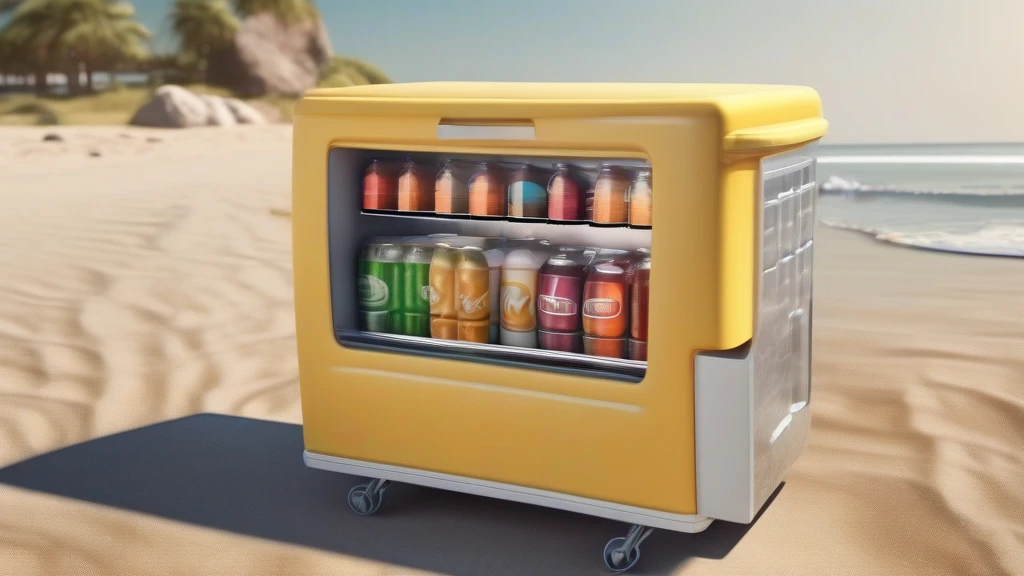
When planning outdoor adventures or casual gatherings, keeping your food and beverages chilled is essential for enjoyment and safety. Coolers—portable food and beverage carriers designed to maintain low temperatures—are the go-to solution for this need. If you’re new to the world of coolers, the variety of types, materials, and features can feel overwhelming. This beginner’s guide will walk you through the basics, terminology, and key considerations to help you select the right cooler for your lifestyle.
Understanding Cooler Types
Coolers come in diverse forms, each engineered to meet different use cases, group sizes, and portability needs. Understanding the main types will help you narrow down your options efficiently.
Hard-Shell Rotomolded Coolers
These are the heavy-duty workhorses of the cooler world. Made from rotomolded plastic—a process that creates a seamless, extremely durable shell—these coolers are designed to withstand harsh environments. Typically featuring double-walled, vacuum-sealed insulation, they keep ice frozen for 48 to 72 hours, sometimes longer.
Key Characteristics:
- Robust construction with UV and impact resistance
- Leakproof liners and secure, lockable lids
- Large capacities (up to 75 quarts or more)
- Additional features like built-in cup holders or bottle openers
Best For: Multi-day camping, fishing trips, tailgating, and large group outings where durability and ice retention are critical.
Soft-Sided Fabric Coolers
Soft coolers use fabrics like high-density polyester nylon or EVA foam with thick insulation panels sewn inside. Many include leak-resistant liners and are constructed with eco-friendly, BPA-free materials.
Key Characteristics:
- Lightweight and flexible for easy storage
- Typically hold 12 to 24 cans—ideal for day trips
- Often equipped with shoulder straps or backpack-style harnesses for hands-free carrying
- Some models feature removable dividers for organization
Best For: Picnics, beach outings, quick hikes, and small gatherings where portability is a priority over maximum ice retention.
Wheeled and Backpack Coolers
Combining portability with capacity, these hybrids cater to users who need to transport heavier loads with ease.
Key Characteristics:
- Telescoping or foldable handles paired with rugged wheels for smooth rolling over various terrains
- Backpack straps on soft coolers for comfortable carrying over long distances
- Moderate to large capacities ranging between 24 to 50 quarts
Best For: Camping with uneven terrain, fishing excursions requiring gear mobility, and beach days with bulky supplies.
Collapsible Coolers
Engineered for convenience and space-saving, collapsible coolers fold flat when not in use.
Key Characteristics:
- Made from durable, insulated fabric with reinforced frames
- Lightweight and compact
- Moderate insulation efficiency—ice retention typically lasts 12 to 24 hours
Best For: Urban picnics, short trips, or as secondary coolers for beverages.
Electric Coolers
For those who want cooling without the hassle of ice, electric coolers plug into car adapters or portable power sources.
Key Characteristics:
- Thermoelectric or compressor cooling systems for consistent temperatures
- Capacity ranges vary; some models can hold up to 45 liters
- Can maintain cold temperatures for days without ice
- Often include digital temperature controls and USB charging ports
Best For: Road trips, camping with access to power, or situations where ice availability is limited.
Essential Terminology to Know
- Ice Retention: The duration a cooler can keep its contents cold using ice or frozen gel packs. High-performance rotomolded coolers offer 48-72 hours, whereas soft coolers typically last 12-24 hours.
- Insulation Type: Common types include vacuum-sealed double walls (hard coolers), gel-based panels, and foam layers (soft coolers). Vacuum sealing offers superior ice retention by minimizing heat transfer.
- Capacity: Measured in quarts or liters, capacity indicates how much the cooler can hold. For example, a 12-can soft cooler suits solo day trips, while a 75-quart hard cooler accommodates large groups.
- Leakproof Liner: An internal waterproof lining that prevents melted ice from leaking, making cleaning easier and preventing messes.
- Eco-Friendly Materials: BPA-free plastics, recyclable components, and sustainable textile fabrics reduce environmental impact.
- Portability Features: Handles, straps, wheels, and backpack designs that enhance ease of transport.
What to Expect from Your First Cooler
When you purchase your first cooler, keep in mind the following practical expectations:
- Ice Retention Varies Widely: A cooler’s insulation technology and construction largely determine how long it will keep ice frozen. Hard-shell rotomolded coolers with vacuum-sealed walls offer the best performance. Soft-sided coolers and collapsibles are more portable but retain ice for shorter periods.
- Weight vs. Capacity Trade-Off: Larger coolers with thick insulation tend to be heavier. Wheeled coolers or backpack styles can offset this challenge.
- Maintenance Matters: Leakproof liners and easy-drain systems simplify cleaning. Materials like rotomolded plastic resist stains and odors, while fabric coolers may require occasional washing.
- Additional Features Improve Experience: Removable dividers help organize contents, lockable lids provide security, and built-in bottle openers add convenience during outdoor events.
- Sustainability Is Increasingly Common: Many coolers now incorporate BPA-free plastics and recyclable materials, aligning with eco-conscious consumer values.
Tips for Choosing Your First Cooler
1. Identify Your Primary Use
Are you mostly going camping, heading to the beach, or organizing backyard parties? Day trips with light packing favor soft or collapsible coolers, while multi-day excursions call for heavy-duty rotomolded options.
2. Estimate Your Capacity Needs
Consider how many people you typically serve and how long the cooler needs to keep items cold. For a solo or couple’s day hike, a 12-24 can soft cooler is sufficient. For group camping or fishing, look for 50+ quart hard coolers.
3. Prioritize Portability Features
If you anticipate carrying the cooler over long distances or rough terrain, opt for wheeled coolers or backpack-style soft coolers with ergonomic straps. Non-slip handles enhance grip during transport.
4. Consider Ice Retention Time
For trips lasting more than 24 hours, invest in a cooler with advanced insulation such as vacuum-sealed walls or gel-based panels. Hybrid systems combining foam and gel offer balanced performance.
5. Look for Usability Enhancements
Leakproof liners prevent messes, removable dividers help separate food from beverages, and easy-drain spouts make cleanup quick. Lockable lids provide safety when storing in vehicles or campsites.
6. Factor in Sustainability
Choose coolers made with BPA-free plastics, recyclable materials, or eco-friendly fabrics to minimize environmental impact.
Maximizing Your Cooler’s Performance
- Pre-Chill Your Cooler: Before loading, cool down the interior with ice or cold water to reduce initial heat gain.
- Use Block Ice or Ice Packs: Block ice melts slower than cubed ice, extending cold retention. Gel packs are reusable and mess-free.
- Pack Efficiently: Place drinks and items you’ll access most frequently on top. Use removable dividers to keep contents organized and reduce lid opening time.
- Drain Meltwater Regularly: Use built-in drain plugs to remove excess water without opening the lid.
- Store in Shade: Keep your cooler out of direct sunlight to minimize heat absorption.
Caring for Your Cooler: Maintenance Basics
- Clean After Each Use: Hard coolers can be wiped with mild soap and water; avoid abrasive cleaners that may damage surfaces. Soft coolers may have removable liners or require gentle hand washing.
- Dry Thoroughly: Prevent mold and odors by air drying completely before storage.
- Avoid Harsh Chemicals: Use BPA-free cleaning agents or natural solutions like baking soda for odor elimination.
- Inspect Seals and Hinges: Regularly check for wear or damage to maintain ice retention and security.
Final Thoughts
Choosing your first cooler is about matching your activity needs with the right balance of durability, insulation, portability, and features. Whether you prefer the rugged toughness of a rotomolded hard cooler for multi-day camping or the convenience of a soft-sided backpack cooler for beach days, understanding the product characteristics and terminology empowers you to make informed decisions.
By considering capacity, insulation technology, portability options, and sustainability, you can find a cooler that not only keeps your food and drinks chilled but also enhances your outdoor experiences for years to come. Remember, the right cooler is an investment in convenience, freshness, and enjoyment during every adventure.