
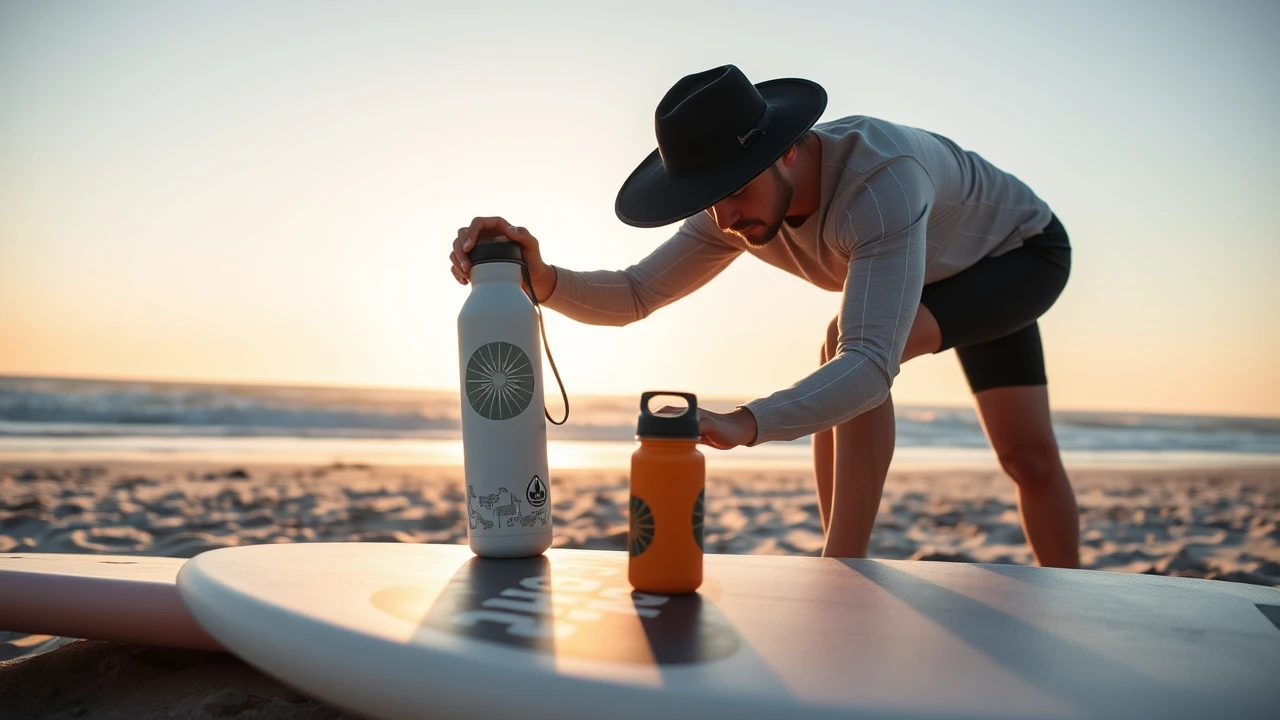
Decorative stickers have become one of the most versatile and accessible ways to express creativity and personalize everyday items. Whether you're an outdoor enthusiast looking to embellish your travel gear, a parent searching for safe, fun crafts for your kids, or simply someone eager to add a unique touch to your belongings, decorative stickers offer endless possibilities. This beginner's guide will walk you through the essentials of decorative stickers—from understanding the materials and finishes to practical tips on application and maintenance—helping you make informed choices and get started on your creative journey the right way.
Understanding Decorative Stickers: Materials and Features
Before diving into your first sticker project, it’s important to understand the fundamental characteristics that define decorative stickers, especially those designed for active and outdoor use.
Key Materials: Vinyl, Rubber, and Fabric
-
Vinyl Stickers: These are the most common and versatile type, prized for their durability and waterproof qualities. Vinyl stickers often feature a smooth finish and are resistant to UV rays and fading, making them ideal for outdoor gear like surfboards, water bottles, and luggage.
-
Rubber Stickers: Known for their flexible and slightly textured feel, rubber stickers excel in abrasion resistance. They tend to cling well to irregular surfaces and are a popular choice for outdoor enthusiasts who need stickers that withstand rough handling.
-
Fabric Stickers: Crafted from woven materials, fabric stickers offer a unique tactile appearance and feel. They are often used to embellish backpacks and apparel, providing a stylish and durable alternative to traditional stickers.
Finishes to Know
Decorative stickers come in a variety of finishes, each lending different aesthetic and functional qualities:
-
Holographic: These stickers display a rainbow-like sheen that changes with the angle of light, perfect for adding eye-catching flair to laptops or travel accessories.
-
Matte: Offering a smooth, non-reflective surface, matte stickers provide a sophisticated, understated look that resists fingerprints and glare.
-
Glossy: High-shine and vibrant, glossy stickers enhance color depth and are excellent for bold designs.
-
Reflective: Designed to bounce back light, reflective stickers improve visibility and are favored by outdoor sports enthusiasts for safety and style.
-
Glow-in-the-Dark: These stickers absorb light and emit a soft glow in dark environments, ideal for nighttime adventures or kids’ crafts.
Durability Features
For users with active lifestyles, durability is paramount. Look for these key product attributes:
-
Waterproof Coatings: Ensure your stickers won't peel or fade when exposed to water—important for surfboards and water bottles.
-
UV and Fade Resistance: Prevents color degradation under prolonged sun exposure.
-
Scratch Resistance: Maintains the sticker’s appearance despite abrasion from outdoor activities.
-
Non-Toxic, Hypoallergenic Adhesives: Safe for children and sensitive skin, these adhesives also provide strong, lasting adhesion without damaging surfaces.
Application Types: Peel-and-Stick vs. Heat-Transfer
Understanding the application process is essential for beginners to achieve professional-looking results.
Peel-and-Stick Stickers
These are the most beginner-friendly. Simply peel the backing off and apply the sticker to a clean, dry surface. Advantages include:
- Ease of Use: No tools or heat required.
- Repositionable Options: Some feature adhesives that allow you to remove and reapply without leaving residue.
- Ideal Surfaces: Smooth, hard surfaces like plastic, metal, glass, and laminated wood.
Heat-Transfer Stickers
Also known as iron-on patches, these require heat application (usually with a household iron or heat press) to activate adhesive bonding. Benefits include:
- Durability: Strong bond to fabrics, making them perfect for backpacks, clothing, and other textiles.
- Professional Finish: Often more permanent than peel-and-stick.
- Requires Preparation: Surfaces must be heat-resistant; application steps can be more involved.
For beginners, peel-and-stick stickers are a great starting point, especially for non-fabric projects. Heat-transfer stickers are excellent for those ready to explore textile customization.
Selecting the Right Stickers for Your Needs
Choosing stickers tailored to your lifestyle and creative goals will enhance your experience and satisfaction.
For Outdoor Enthusiasts and Travelers
Look for:
- Waterproof and UV-Resistant Vinyl Stickers: These can withstand sun, water, and abrasion on gear like surfboards, luggage, and water bottles.
- Reflective or Glow-in-the-Dark Finishes: Improve visibility and add safety features.
- Scratch-Resistant and Durable Adhesives: Ensure longevity during adventures.
For Kids and Family-Friendly Crafting
Focus on:
- Non-Toxic, Hypoallergenic Materials: Safe for young users.
- Reusable or Repositionable Stickers: Allow for creative experimentation without frustration.
- Playful Designs and Matte or Glossy Finishes: Engaging textures and vibrant colors stimulate imagination.
For Creative Artists and Collectors
Consider:
- Holographic and Specialty Finish Stickers: Add visual interest and uniqueness.
- Fabric Stickers or Heat-Transfer Types: For wearable art and textile personalization.
- Compact Packaging and Application Aids: Tools like cleaning wipes and storage bags maintain sticker quality.
Practical Tips for Application and Maintenance
Preparing Your Surface
- Clean the surface thoroughly using the provided cleaning wipes or a mild soap and water solution.
- Ensure the area is dry and free of dust, oils, or residues to maximize adhesion.
Applying Stickers
- For peel-and-stick: Peel backing carefully without touching the adhesive; press firmly from center outwards to avoid air bubbles.
- For heat-transfer: Follow manufacturer instructions precisely, including temperature settings and pressing duration.
Maintaining Your Stickers
- Avoid scrubbing directly over stickers; use gentle cleaning methods.
- For outdoor gear, inspect stickers periodically and replace if edges begin to lift.
- Store extra stickers in their original packaging or a resealable bag to protect adhesive quality.
Eco-Friendly and Sustainable Options
Many decorative stickers now emphasize sustainability:
- Recyclable or Biodegradable Packaging: Reduces environmental impact.
- Plastic-Free Components: Use paper or plant-based materials where possible.
- Low-Carbon Manufacturing: Supports eco-conscious production practices.
Opting for eco-friendly stickers aligns your creative expression with responsible stewardship of the environment.
Inspiring Uses and Creative Ideas
- Personalize your surfboard with reflective or holographic stickers for standout style at the beach.
- Customize your backpack using fabric heat-transfer stickers to showcase your personality during travels.
- Use glow-in-the-dark stickers to decorate kids’ bedrooms or camping gear for fun and safety.
- Create themed sticker collections for scrapbooking or journaling that reflect your hobbies and adventures.
Conclusion
Decorative stickers offer an accessible and enjoyable way to personalize your belongings, express your creativity, and enhance your outdoor and travel experiences. By understanding the materials, finishes, durability features, and application techniques, beginners can confidently select the right stickers for their needs and maintain them for lasting enjoyment. Whether you’re embellishing a surfboard, customizing a backpack, or crafting with kids, decorative stickers combine functionality, style, and sustainability—making them a perfect creative companion for every lifestyle.