
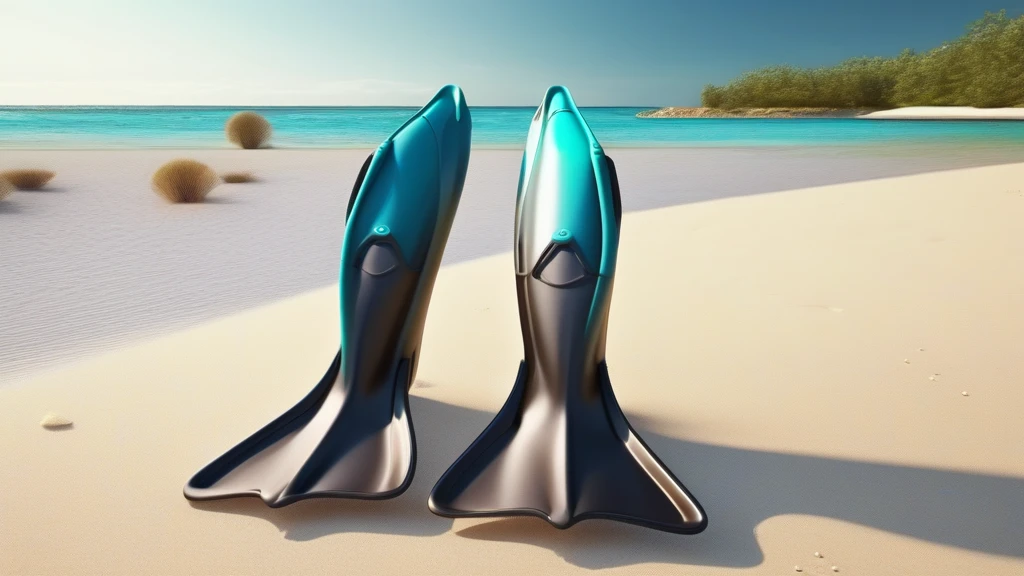
Exploring the underwater world is an exciting adventure that begins with the right equipment, and diving or snorkeling fins are among the most essential gear for anyone venturing beneath the surface. Whether you're a recreational snorkeler, a beginner scuba diver, or simply curious about how fins can improve your underwater mobility, understanding the basics of diving and snorkeling fins will help you choose the right pair for your needs. This beginner’s guide breaks down key terms, explains different fin types, and offers practical advice on selecting fins that maximize comfort, efficiency, and safety.
Understanding the Basics: What Are Diving & Snorkeling Fins?
Diving and snorkeling fins are specially designed footwear that enhances your propulsion in water, allowing you to swim with less effort and greater control. Unlike regular swim fins used in pools, these fins are engineered for various underwater activities, including recreational snorkeling, scuba diving, freediving, and underwater photography. Their design focuses on improving kick efficiency, reducing drag, and providing an ergonomic fit that reduces foot fatigue.
Key Components of Fins
- Foot Pocket: The section where your foot fits in. It can be open-heel (adjustable strap around the heel) or closed-heel (full foot pocket).
- Blade: The large flat section extending from the foot pocket that pushes against the water, generating propulsion.
- Straps or Buckles: Adjustable mechanisms on open-heel fins that secure the fin to your foot.
- Soles: The bottom part of the foot pocket, often with anti-slip pads for safety on slippery surfaces.
Common Fin Designs and Blade Technologies
When choosing fins, it’s important to understand the different blade designs and materials, as these affect performance and comfort.
Blade Types
- Paddle Blades: Solid blades that provide strong propulsion but require more effort. They are ideal for beginners who want straightforward, reliable fins.
- Split Blades: These have a split down the center, reducing drag and making kicks more energy-efficient. Great for longer dives or snorkeling sessions where energy conservation is key.
- Vented Blades: Feature holes or vents that reduce resistance during both up and down kicks, enhancing maneuverability.
- Channel-Thrust Blades: Designed with channels that direct water flow efficiently, improving thrust while minimizing effort.
Blade Materials
- Thermoplastic Rubber: Flexible and durable, often used in recreational fins for comfort and shock absorption.
- Fiberglass: Lightweight and stiff, providing good propulsion with less fatigue, preferred in freediving fins.
- Carbon Fiber: High-performance material offering exceptional stiffness and energy transfer, common in professional technical diving fins.
- Eco-Friendly Materials: Some fins use recyclable or biodegradable polymers to reduce environmental impact without sacrificing durability.
Fit and Comfort: Adjustable Sizing for Beginners
A well-fitting fin is crucial for comfort and safety. Ill-fitting fins can cause blisters, cramps, and reduced propulsion efficiency.
Open-Heel vs. Closed-Heel Fins
- Open-Heel Fins: Feature adjustable heel straps with quick-release buckles or stretchable straps, allowing you to wear neoprene booties for warmth or foot protection. They are highly versatile and fit a range of foot sizes.
- Closed-Heel Fins: Have a full foot pocket, offering a snugger fit and are lighter and more compact. They work best in warm waters where booties aren’t needed.
Adjustable Features
Look for fins with:
- Quick-release buckles: Facilitate easy removal and adjustment, especially helpful for beginners.
- Stretchable straps: Provide a secure yet forgiving fit.
- Anti-slip soles: Improve grip when walking on wet or rough surfaces.
Choosing the Right Fins for Your Activity and Skill Level
Different underwater activities demand different fin characteristics. Here’s a breakdown of what to consider based on your intended use.
Recreational Snorkeling and Beginner Diving
- Fins: Paddle or split-blade fins with thermoplastic rubber blades.
- Features: Adjustable open-heel straps for comfort and easy fit with booties.
- Benefits: Balanced propulsion and comfort, ideal for casual swimmers and snorkelers.
Freediving
- Fins: Extra-long, flexible blades made from fiberglass or carbon fiber.
- Features: Closed-heel design for a secure fit, lightweight construction for energy conservation.
- Benefits: Enhanced propulsion efficiency for deep or long breath-hold dives.
Technical and Professional Diving
- Fins: Stiff carbon fiber blades with channel-thrust or split blade designs.
- Features: Durable, abrasion-resistant materials with customizable blade flexibility.
- Benefits: Powerful thrust for complex underwater tasks, improved control and reduced fatigue.
Underwater Photography
- Fins: Compact, vented fins that offer excellent maneuverability.
- Features: Lightweight with ergonomic foot pockets and anti-slip soles.
- Benefits: Stability and precise movement to avoid disturbing marine life or stirring up sediment.
Travel-Friendly Fins
- Fins: Foldable or compact designs made from flexible materials like silicone or thermoplastic rubber.
- Features: Include travel bags or cases, lightweight construction.
- Benefits: Ease of packing and carrying without sacrificing basic performance.
Environmental Considerations in Fin Selection
Sustainability is an increasing focus in outdoor recreation. Many modern fins incorporate eco-friendly materials like recyclable polymers or natural rubber alternatives, and manufacturers employ low-carbon production techniques. For environmentally conscious beginners, choosing fins made from these materials helps minimize your ecological footprint while supporting innovation in marine gear.
Tips for First-Time Buyers
- Try Before You Buy: If possible, test fins in a pool or shallow water to assess fit and comfort.
- Consider Water Temperature: Open-heel fins plus booties are better for cold water; closed-heel fins suit warm climates.
- Match Fins to Activity: Avoid stiff, long-bladed freediving fins if you only snorkel occasionally.
- Prioritize Adjustability: Beginner fins with quick-release straps and adjustable sizing add convenience.
- Look for Certifications: ISO, CE, and TÜV marks indicate quality manufacturing and materials safety.
- Choose High-Visibility Colors: Bright fins improve underwater safety by making you more visible to others.
Caring for Your Fins: Maintenance Tips
To prolong the life of your fins:
- Rinse thoroughly with fresh water after every use to remove salt, sand, and debris.
- Avoid prolonged exposure to direct sunlight to prevent UV damage.
- Store fins flat or hanging to maintain blade shape; avoid folding unless designed to fold.
- Inspect straps and buckles regularly for wear and replace parts as needed.
- Use protective travel bags to prevent abrasion during transport.
Final Thoughts
Diving and snorkeling fins are a fundamental piece of gear that can greatly enhance your underwater experience. By understanding the different types, materials, fit options, and activity-specific features, beginners can confidently select fins that offer comfort, durability, and efficient propulsion. Whether you’re snorkeling in tropical waters or training for your first scuba dive, investing time in choosing the right fins will pay off with more enjoyable, energy-efficient, and safe underwater adventures.
Armed with this guide, you’re ready to explore the vast and vibrant underwater world with fins that fit your style and needs perfectly. Happy diving!