
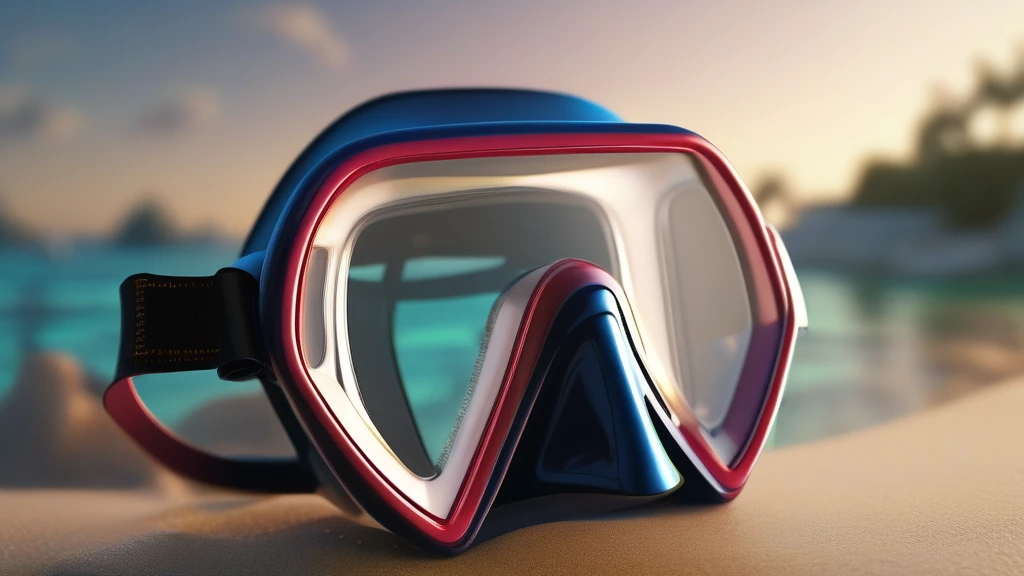
Exploring the underwater world is an exciting adventure, and having the right diving or snorkeling mask is essential for a safe, enjoyable experience. If you're new to diving or snorkeling, selecting a mask can seem daunting given the variety of designs, features, and technical terms. This guide breaks down everything a beginner needs to know to choose the perfect mask, understand key features, and maintain it for years of underwater exploration.
Understanding the Basics: What Is a Diving & Snorkeling Mask?
A diving or snorkeling mask is specialized underwater eyewear designed to provide clear and comfortable vision while protecting your eyes and nose from direct contact with water. Unlike goggles used for swimming, these masks create an air space in front of your eyes, allowing you to see clearly underwater. Masks also help equalize pressure on your face when diving deeper.
Core Components of a Mask
- Skirt: The part that seals against your face, typically made of hypoallergenic, eco-friendly silicone to ensure comfort and prevent leaks.
- Lens(es): Usually tempered glass for durability and safety, lenses are engineered to offer clear visibility and often come with coatings to reduce fogging and glare.
- Strap and Buckles: Adjustable silicone straps with quick-release buckles to customize fit and make it easy to put on and take off.
- Frame: Supports the lenses and skirt; can be rigid or flexible, framed or frameless designs.
Key Features to Know Before Buying Your First Mask
Choosing the right mask involves understanding various features that affect comfort, performance, and suitability for your intended activity.
1. Lens Types and Coatings
- Tempered Glass: Standard for durability and safety; resists scratches and breaks.
- Anti-Fog Coating: Helps prevent fogging caused by temperature differences and moisture.
- Hydrophobic Coating: Repels water on the lens surface for clearer vision.
- Polarized or Mirrored Lenses: Reduce glare from sun and water surface reflections—ideal for bright conditions.
- UV Protection: Shields eyes from harmful ultraviolet rays during surface swimming.
2. Volume and Field of View
- Low to Medium Volume Masks: Have less internal airspace, making them easier to clear and better for freediving or spearfishing where streamlining is key.
- Wide or Panoramic Visibility: Masks with larger lenses or frameless designs offer an expanded field of view, enhancing awareness underwater—great for snorkeling and underwater photography.
3. Skirt Material and Comfort
- Silicone Skirts: Hypoallergenic and eco-friendly silicones provide a soft, flexible seal that adapts to different face shapes, reducing the risk of leaks and discomfort.
- Face Shape Considerations: Masks come in various skirt designs to fit different facial contours, including narrower or wider fits. Trying on masks before purchasing or choosing models with adjustable skirts can improve comfort.
4. Frame Design and Portability
- Framed Masks: Offer structure and durability, suitable for professional or frequent use.
- Frameless Masks: Lighter and more flexible, often providing wider views but may be less robust.
- Foldable Masks and Storage Cases: Some masks fold compactly for easy transport and include protective cases to safeguard lenses during travel.
Choosing the Right Mask for Your Activity
Different underwater activities have unique demands that influence mask choice.
Recreational Snorkeling and Scuba Diving
For beginners snorkeling or scuba diving, prioritize comfort and ease of use:
- Medium-volume masks with adjustable silicone skirts offer a good balance of comfort and visibility.
- Anti-fog and UV-protective lenses improve your experience in varying light conditions.
- Quick-release buckles make mask adjustments straightforward on the go.
Freediving and Spearfishing
Performance matters most:
- Low-volume masks reduce internal air space, making equalization easier and decreasing buoyancy.
- Streamlined, frameless designs minimize drag.
- Durable silicone skirts ensure a snug, leak-free fit during dynamic movements.
Underwater Photography
Clarity and field of view are paramount:
- Wide or panoramic lenses with distortion-free, tempered glass offer better framing and visibility.
- Masks with hydrophobic or anti-reflective coatings help maintain sharp visuals.
- Comfortable fit is crucial for long sessions holding camera gear.
How to Achieve the Best Fit and Prevent Leaks
An ill-fitting mask can ruin your underwater experience by causing leaks or discomfort. Here’s how to get the perfect fit:
- Try Before You Buy: Place the mask on your face without the strap, inhale gently through your nose, and see if it creates a suction that holds it in place without support. This indicates a good seal.
- Adjust the Strap: Position the strap comfortably around the widest part of your head, usually near the crown. Avoid overtightening, which can cause discomfort and marks.
- Check the Skirt Seal: Ensure the skirt sits flush against your face without gaps, especially around the nose and cheekbones.
- Be Mindful of Facial Hair: Beards and mustaches can interfere with the seal—consider trimming or choosing masks with specialized skirts.
Maintenance Tips for Longevity and Clarity
Proper care extends your mask’s life and ensures clear vision every time.
- Cleaning: Rinse your mask with fresh water immediately after use. For new masks, remove factory coatings by gently scrubbing the lenses with a mild toothpaste to reduce initial fogging.
- Anti-Fog Application: Use commercial anti-fog sprays or natural remedies like diluted baby shampoo before each dive.
- Storage: Store your mask in a protective case away from direct sunlight and extreme temperatures to prevent silicone degradation and lens damage.
- Avoid Touching Inside Lenses: Oils from your fingers can attract dirt and increase fogging.
Environmental Considerations in Mask Selection
Many modern masks incorporate eco-friendly, hypoallergenic materials to reduce environmental impact and ensure user safety. Look for masks made from sustainably sourced silicones and those produced by manufacturers committed to minimizing chemical use and waste in production.
Safety Certifications and What They Mean
Reputable diving masks often carry safety certifications such as ISO, CE, or TÜV marks, which indicate compliance with international quality and safety standards. These certifications ensure the mask’s materials, construction, and performance meet stringent requirements, giving you peace of mind.
Full-Face Snorkel Masks vs. Traditional Masks: A Quick Comparison
- Full-Face Masks: Cover the entire face, allowing natural breathing through nose and mouth. Suitable for beginner snorkelers focusing on surface activities but generally not recommended for scuba diving or freediving due to pressure equalization limitations.
- Traditional Masks: Cover eyes and nose only, requiring a separate snorkel tube. Offer better performance for diving and freediving, greater safety options, and easier clearing of water.
Final Thoughts: Getting Started with Confidence
Selecting the right diving or snorkeling mask is the foundation of your underwater adventure. Focus on fit, comfort, and features that match your planned activities. Understanding technical details like lens coatings, volume, skirt materials, and safety certifications empowers you to make informed choices that enhance your experience and safety.
With the right mask, every dive or snorkel becomes a clearer, more comfortable glimpse into the fascinating underwater world. Happy exploring!