
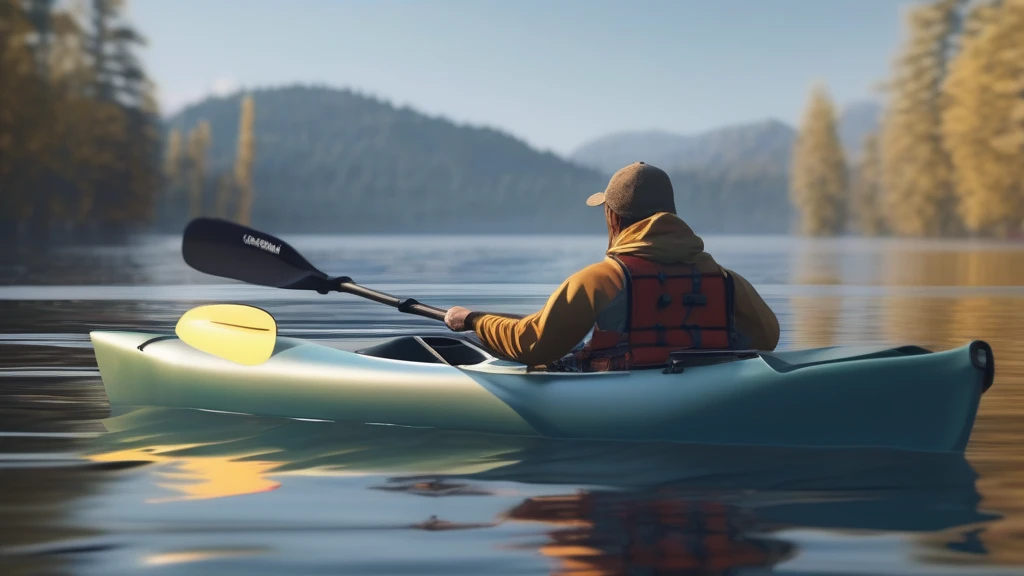
Embarking on your kayaking journey can be an exciting and rewarding experience, especially when you begin with the right equipment. Flatwater kayaks offer an ideal entry point for newcomers due to their stability, ease of use, and versatility in calm water environments. This guide is designed to help beginners understand the essentials of flatwater kayaking, from terminology and key features to practical buying advice and first-time paddling tips.
Understanding Flatwater Kayaks: What Makes Them Unique?
Flatwater kayaks are specifically designed for use on calm bodies of water such as lakes, slow-moving rivers, bays, and protected coastal waters. Unlike whitewater or sea kayaks, these kayaks emphasize stability and ease of paddling, making them perfect for beginners and recreational paddlers.
Key Characteristics of Flatwater Kayaks
- Lightweight and Portable: Constructed from materials like fiberglass, carbon fiber, Kevlar, thermoformed ABS, rotomolded polyethylene, or high-density polypropylene, these kayaks balance durability and weight. This makes transport easy—many models include integrated handles, shoulder straps, or even compact wheels for effortless carrying.
- Stability: Their wider hulls and flat bottoms provide excellent primary stability, allowing paddlers to feel secure while learning balance and paddling techniques.
- Comfort and Adjustability: Many feature adjustable, ergonomic seating designed to reduce fatigue during longer outings. Additional features include padded seats with backrests and adjustable foot braces.
- Convenience Features: Storage hatches and deck bungees offer space to securely carry gear, while UV-resistant materials ensure longevity even after extensive sun exposure.
- Safety and Certification: Look for US Coast Guard, ISO, TÜV, and CE certifications, which guarantee high safety and construction standards.
Essential Flatwater Kayaking Terminology for Beginners
Before you hit the water, familiarize yourself with some basic kayaking terms:
- Hull: The body of the kayak. Flatwater kayaks typically have a wide, flat hull for stability.
- Rudder: A small fin at the stern that helps with steering and maintaining a straight course, especially useful in windy conditions or longer distances.
- Spray Skirt: A waterproof cover that seals the cockpit to prevent water from entering, more common in touring but sometimes used in flatwater kayaks.
- Deck Bungees: Elastic cords on the kayak’s deck used to secure gear like water bottles, dry bags, or paddles.
- Feathered Paddle: A paddle with blades angled relative to each other, reducing wind resistance on the blade out of the water.
- Primary Stability: How stable a kayak feels when sitting flat on calm water.
- Secondary Stability: How well a kayak resists tipping when tilted on edge, important in rougher water.
Choosing the Right Flatwater Kayak: Factors to Consider
Selecting a kayak that fits your skill level, paddling environment, and intended activities will enhance your experience and safety.
Skill Level and Stability
- Beginners: Prioritize kayaks with wider, flat hulls that offer maximum primary stability. These kayaks are forgiving and help develop confidence.
- Intermediate to Advanced: May opt for slimmer, longer hulls that track better for endurance and speed but require better balance.
Solo vs Tandem Kayaks
- Solo Kayaks: Ideal for individual paddlers; generally lighter and easier to handle. Great for fitness and exploration.
- Tandem Kayaks: Designed for two paddlers, offering shared effort and social paddling. Tend to be longer and heavier but include convertible seating for flexibility.
Materials and Weight
- Fiberglass and Carbon Fiber: Offer lightweight, stiff hulls ideal for performance but require careful handling.
- Kevlar: Extremely strong and light, though often more expensive.
- Thermoformed ABS and Rotomolded Polyethylene: Extremely durable and affordable, but heavier. Excellent for rougher use or rental fleets.
- High-Density Polypropylene: Offers good UV resistance and durability with moderate weight.
Features That Matter
- Adjustable Seating: Look for kayaks with padded, adjustable seats and footrests to ensure comfort during longer outings.
- Rudder Systems: Helpful for maintaining course in wind or current; beginner paddlers will appreciate this feature for ease of control.
- Storage Options: Hatches and deck bungees provide secure storage for essentials, especially useful on day trips or fitness paddling.
- Portability: Integrated carry handles, shoulder straps, and quick assembly times (5–20 minutes) make frequent transport hassle-free.
Preparing for Your First Paddle: What to Expect
Flatwater kayaking offers a gentle learning curve, but preparation helps maximize enjoyment and safety.
Basic Gear Checklist
- A properly fitting personal flotation device (PFD) approved for kayaking
- A paddle compatible with your kayak’s design (carbon fiber for lightness, reinforced plastic for durability)
- Comfortable, weather-appropriate clothing and water footwear
- Sun protection: hat, sunglasses, and sunscreen
- Dry bags for valuables and extra clothes
- Water and snacks
Learning the Basics
- Getting In and Out: Practice entering and exiting your kayak on calm, shallow water.
- Paddling Technique: Use smooth, even strokes keeping your torso engaged rather than relying solely on arms.
- Steering: Use paddle strokes and rudder controls to maintain direction.
- Safety: Understand right-of-way rules and stay close to shore on your first outings.
Maintenance Tips to Extend Your Kayak’s Life
Proper care ensures your kayak remains durable and UV resistant for many seasons.
- Rinse After Use: Flush out saltwater or debris with fresh water after every trip.
- Store Properly: Keep the kayak out of direct sunlight when possible; use kayak covers or store indoors.
- Inspect Regularly: Check for cracks or damage; address any issues promptly.
- Lubricate Rudder Mechanisms: To maintain smooth operation.
- Avoid Dragging: Use carry handles or wheels rather than dragging on abrasive surfaces.
Building Your Flatwater Kayaking Skills and Enjoyment
Flatwater kayaking can be a gateway to fitness, exploration, and social adventure.
Fitness Training
Paddling strengthens core muscles, arms, and shoulders while providing cardiovascular benefits. Beginners can start with short sessions of 20-30 minutes, gradually increasing distance and time as endurance improves.
Exploring Calm Waters
Use your kayak to discover tranquil lakes, scenic bays, and gentle rivers. Flatwater kayaks’ stability makes them excellent platforms for birdwatching, photography, or fishing.
Joining a Community
Many outdoor recreation groups and clubs host beginner classes, guided paddles, and social events. Participating can enhance skills and build connections.
Conclusion
Flatwater kayaks are a fantastic choice for beginners seeking a stable, comfortable, and versatile craft for calm water adventures. By understanding the key features, materials, and configurations, you can select a kayak that suits your goals—whether that’s leisurely recreation, fitness paddling, or longer touring excursions. Coupled with proper preparation, safety awareness, and maintenance, flatwater kayaking can open new horizons of enjoyment and wellness on the water.
Get ready to explore serene waterways with confidence and ease—your perfect flatwater kayak awaits!