
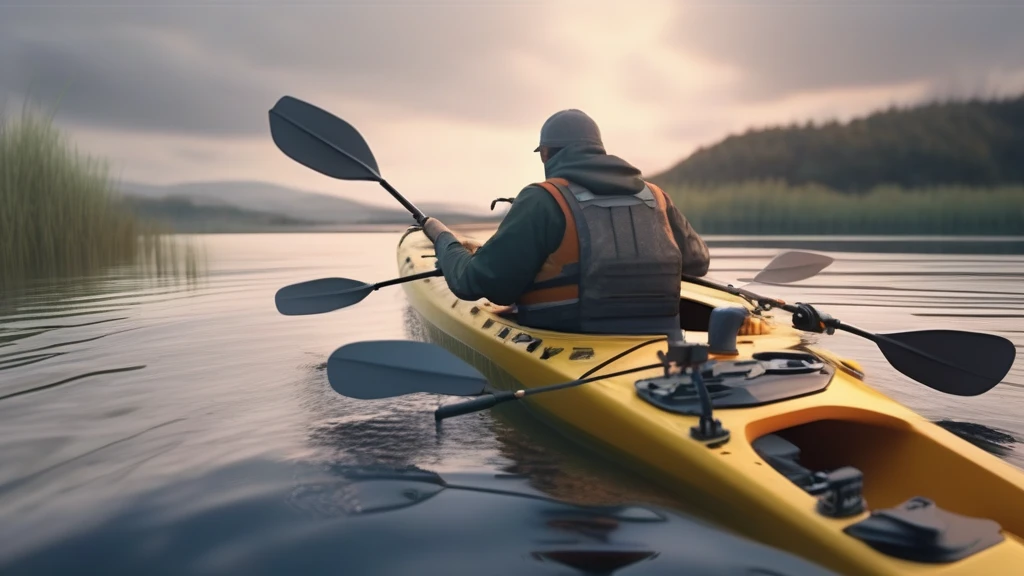
Mounting brackets are essential accessories for kayaks and canoes, offering versatile attachment points for gear such as rod holders, GPS devices, action cameras, and safety equipment. Whether you're customizing your watercraft for fishing, adventure paddling, or simply improving functionality, properly installing mounting brackets can enhance your boating experience. This beginner-friendly guide walks you through the basics of selecting, preparing, and installing mounting brackets on your kayak or canoe, focusing on durability, safety, and eco-conscious materials.
Why Install Mounting Brackets?
Mounting brackets serve as stable and secure anchor points for various gear, allowing paddlers to maximize space and accessibility without compromising the craft's balance or safety. They enable hands-free operation and better organization, which can be critical during extended trips or challenging water conditions. Furthermore, choosing the right mounting hardware that resists corrosion, UV damage, and wear ensures long-lasting performance and peace of mind on the water.
Choosing the Right Mounting Brackets
Consider Material and Durability
When selecting mounting brackets, material choice plays a pivotal role in performance:
- Stainless Steel: Highly corrosion-resistant and strong, ideal for saltwater environments but can be heavier.
- Anodized Aluminum: Lightweight and corrosion-resistant with excellent strength-to-weight ratio, suitable for most freshwater and saltwater uses.
- High-Impact Nylon or Composite Plastics: Lightweight, resistant to UV rays and chemicals, and often more affordable, but may have lower load capacity.
Look for brackets with marine-grade finishes or coatings that enhance weatherproofing and UV resistance, ensuring longevity under harsh outdoor conditions.
Universal vs. Brand-Specific Fit
Some mounting brackets are designed as universal fit, making them adaptable to various kayak and canoe models, while others are tailored for specific brands or hull shapes. Universal options often include adjustable clamps or multiple mounting holes to accommodate different configurations. Choose based on your craft’s compatibility and your desired mounting location.
Safety and Convenience Features
Prioritize brackets with features such as:
- Non-Slip Pads: Prevent scratching and improve grip on hull surfaces.
- Quick-Release Mechanisms: Allow fast attachment and detachment of gear.
- Certified Quality: ISO, TÜV, or CE certifications indicate compliance with safety and environmental standards.
Preparing for Installation
Gather Necessary Tools and Supplies
Before starting, assemble the following:
- Mounting brackets and associated hardware (screws, bolts, washers)
- Drill with appropriate drill bits (usually 1/8” to 1/4”)
- Screwdriver or wrench (depending on hardware type)
- Marine-grade sealant or silicone to waterproof drilled holes
- Measuring tape and pencil or marker
- Masking tape (to protect hull surface during drilling)
- Cleaning cloth and rubbing alcohol for surface prep
Choose the Right Location
Select a mounting spot that:
- Is flat or gently curved to ensure bracket sits flush
- Avoids structural reinforcements or bulkheads inside the hull
- Does not interfere with paddling, balance, or storage spaces
- Provides easy access to the mounted gear
Use the measuring tape to mark precise locations, and double-check alignment and clearance.
Step-by-Step Installation Guide
Step 1: Clean and Mark the Surface
Wipe the installation area with rubbing alcohol to remove dirt, oils, and residues. Apply masking tape over the spot to prevent chipping or cracking during drilling. Mark the bracket’s screw hole positions clearly on the tape.
Step 2: Drill Pilot Holes
Using a drill bit slightly smaller than the mounting screws, carefully drill pilot holes through the masking tape. Drill slowly to avoid damaging the hull, especially on composite or plastic surfaces.
Step 3: Apply Sealant
Remove dust from the holes and apply a small bead of marine-grade sealant or silicone around each hole. This step prevents water intrusion, protecting the hull from damage and potential leaks.
Step 4: Attach the Bracket
Position the bracket over the holes and insert screws or bolts. Tighten securely but avoid over-tightening, which can crack or deform the hull. If your hardware includes washers, place them under the screw heads for better load distribution.
Step 5: Final Check
Wipe away excess sealant and remove masking tape. Inspect the bracket for firm attachment and test gear mounting to ensure stability. Let sealant cure as per product instructions before exposing the craft to water.
Maintenance Tips for Mounting Brackets
- Regularly Inspect Hardware: Check screws and clamps for looseness or corrosion; retighten or replace as needed.
- Clean After Use: Rinse brackets with fresh water after saltwater exposure to avoid buildup and corrosion.
- Lubricate Moving Parts: Use silicone-based lubricants on hinges or quick-release components.
- Protect from UV Damage: Apply UV protectant sprays on plastic or nylon parts to extend lifespan.
Environmental Considerations
Opting for eco-friendly, non-toxic materials and sealants helps preserve waterways and aquatic life. Many marine-grade products now feature biodegradable or low-VOC formulations that limit environmental impact. Proper installation also prevents leaks and damage that could introduce pollutants into water bodies.
Conclusion
Installing mounting brackets on your kayak or canoe doesn’t have to be intimidating. With the right materials, tools, and careful preparation, beginners can confidently upgrade their watercraft for improved functionality and safety. By choosing corrosion-resistant, weatherproof, and eco-conscious hardware, you ensure your gear will withstand the rigors of paddling adventures while minimizing environmental footprint. Regular maintenance and checks will keep your setup reliable season after season, enhancing your enjoyment and safety on the water.