
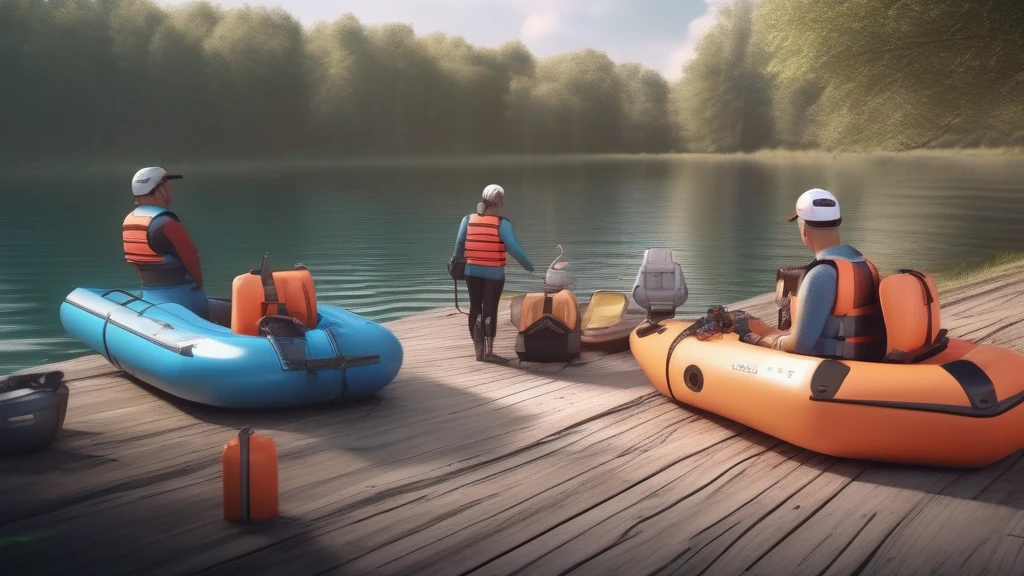
When venturing out onto the water—whether kayaking along peaceful rivers, sailing on open seas, or enjoying a family day at the lake—safety should always be your top priority. One of the most essential pieces of safety gear for any water enthusiast is a reliable life jacket. But with the variety of life jackets available, understanding which type suits your activity and needs can be overwhelming for beginners. This guide breaks down the basics of life jackets, key features to look for, and practical tips to help you choose and maintain the right personal flotation device (PFD) for your water adventures.
Understanding Life Jackets: The Basics and Terminology
What Is a Life Jacket?
A life jacket, also known as a personal flotation device (PFD), is designed to keep a wearer afloat in water and reduce the risk of drowning. Unlike general flotation aids, life jackets are regulated for safety standards and are equipped to turn an unconscious wearer face-up, ensuring airway safety.
US Coast Guard Life Jacket Types
In the United States, life jackets are classified into five main types by the US Coast Guard (USCG), each designed for different environments and activities:
-
Type I (Offshore Life Jackets): Provide maximum buoyancy (22+ pounds) and are designed to turn most unconscious wearers face-up. Ideal for open, rough waters far from shore. They are bulkier and often made with closed-cell foam cores covered in UV-resistant ripstop nylon or polyester.
-
Type II (Near-Shore Vests): Offer moderate buoyancy (15.5-22 pounds) and are suitable for calm, inland waters or near shore. They are less bulky but may not turn an unconscious wearer face-up reliably.
-
Type III (Recreational Life Jackets): The most common for activities like kayaking, fishing, and paddleboarding. They provide standard buoyancy (15.5 pounds) and prioritize comfort and freedom of movement. Materials often include lightweight polyester with hybrid foam cores for buoyancy.
-
Type IV (Throwable Devices): These are not worn but thrown to a person in distress, such as ring buoys and throwable cushions. They are essential for boats but not substitutes for wearable jackets.
-
Type V (Special Use Devices): Designed for specialized activities such as windsurfing, kayaking, or commercial maritime use. These often incorporate innovative inflatable bladder technology for compactness and enhanced buoyancy.
Choosing the Right Life Jacket for Your Activity
Match Your Activity to the Jacket Type
Selecting a life jacket tailored to your specific water sport ensures both safety and comfort. Here are some examples:
-
Kayaking & Paddleboarding: Type III life jackets with ergonomic designs and flexible materials like marine-grade vinyl or polyester are ideal. Look for jackets with adjustable straps and quick-release buckles to ensure a snug fit that won’t restrict paddling movements.
-
Fishing (Offshore or Near Shore): Offshore fishermen should opt for Type I jackets that offer maximum buoyancy and high visibility colors such as bright orange or yellow with reflective tape for rescue readiness. Near shore anglers might prefer Type II jackets with moderate buoyancy and durable closed-cell foam cores.
-
Sailing: Depending on proximity to shore, sailors may choose Type II or Type III jackets. Many sailing jackets also feature integrated harness points, rescue handles, and emergency light mounts.
-
Commercial Mariners and Rescuers: Require Type I or Type V devices that meet stringent durability and buoyancy standards. Inflatable life jackets with reinforced materials and biodegradable coatings are becoming popular due to their reduced environmental impact and high performance.
-
Family and Recreational Users: For casual boating and swimming, Type III jackets offer a balance of buoyancy, comfort, and easy wearability. Children's life jackets should meet size and weight-specific certifications and include features like adjustable straps and bright colors with glow-in-the-dark strips.
Key Features to Look for in a Life Jacket
Materials and Durability
Most quality life jackets are made from UV-resistant, marine-grade fabrics such as ripstop nylon, polyester, or marine vinyl. These materials resist wear from sun exposure, saltwater, and abrasion. The flotation core typically consists of closed-cell foam or hybrid foam blends that do not absorb water, ensuring consistent buoyancy over time.
Emerging eco-conscious manufacturers are incorporating biodegradable coatings and recyclable foams to reduce environmental impact without compromising safety or durability.
Buoyancy and Safety Enhancements
-
Buoyancy Ratings: Ensure the jacket meets or exceeds the buoyancy requirements for your activity and body weight.
-
High-Visibility Colors and Reflective Tape: Bright colors like orange, red, and yellow improve visibility during rescue. Reflective tape or glow-in-the-dark strips enhance nighttime or low-light safety.
-
Adjustable and Reinforced Buckles: Secure, quick-release buckles allow for a customized fit and easy removal in emergencies.
-
Emergency Accessories: Some jackets include whistles, rescue handles, or mounts for emergency lights—features especially valuable for offshore or commercial use.
-
Anti-Slip Designs: Prevent the jacket from riding up or shifting during use, crucial for active water sports.
Portability and Comfort
Life jackets designed with inflatable bladder technology offer compactness and reduced weight, making them easier to carry and store. However, they require proper maintenance and timely inspection to ensure the inflation mechanism functions correctly.
Foam-based jackets generally provide consistent buoyancy with less maintenance but can be bulkier. For prolonged wear, prioritize jackets with breathable mesh panels and ergonomic cuts that avoid chafing.
Proper Fit and Maintenance Tips
Ensuring a Secure Fit
A well-fitting life jacket is essential for safety. When fitting:
- Fasten all buckles and straps snugly without restricting breathing.
- Ensure the jacket doesn’t ride up over your chin or ears when lifted at the shoulders.
- For children, choose jackets sized for their weight and chest circumference, and adjust straps accordingly.
- Try the jacket on with any additional clothing or gear you plan to wear on the water.
Maintaining Your Life Jacket
- Rinse with fresh water after exposure to salt or chlorinated water.
- Dry thoroughly in the shade to prevent UV damage.
- Inspect regularly for tears, broken buckles, or degraded foam.
- For inflatable jackets, check the CO₂ cartridge and manual inflation tube periodically.
- Store in a cool, dry place away from direct sunlight.
Understanding Certifications and Regulatory Standards
When purchasing a life jacket, look for certifications that ensure compliance with safety standards:
-
US Coast Guard (USCG) Approval: Indicates the jacket meets rigorous flotation and performance tests for use in US waters.
-
ISO and CE Certifications: Common in Europe, these standards verify quality and safety benchmarks.
-
TÜV Certification: A German safety certification indicating thorough product testing.
These certifications guarantee the life jacket will perform reliably under expected conditions.
Innovations in Inflatable Life Jackets
Inflatable life jackets incorporate CO₂ cartridges or manual inflation systems that activate when submerged or manually triggered. Their advantages include:
- Compactness: Easily packed and less bulky to wear.
- Enhanced Mobility: Ideal for active water sports like sailing or kayaking.
- Adjustable Buoyancy: Some models allow users to control inflation level.
However, inflatable jackets require diligent maintenance to ensure cartridge readiness and proper function. They are typically classified as Type V devices and must be worn according to manufacturer guidelines and activity restrictions.
Emergency Preparedness: Beyond the Wearable Jacket
In addition to wearable life jackets, throwable flotation devices such as cushions or ring buoys (Type IV) are vital onboard safety equipment. These devices can be tossed to a person overboard to provide immediate buoyancy while awaiting rescue.
Boaters should familiarize themselves with:
- Proper storage locations for quick access.
- Techniques for accurate throwing.
- Regular inspection to ensure the device remains buoyant and intact.
Combining wearable life jackets with throwable devices enhances overall safety readiness on the water.
Final Thoughts
Choosing the right life jacket is a critical step toward enjoying water activities safely. By understanding the different types, key features, and maintenance best practices, beginners can confidently select a personal flotation device that fits their needs and complies with safety standards. Remember, a life jacket is not just gear—it's a lifeline. Prioritize fit, function, and quality to ensure your time on the water is both fun and secure.
Stay safe, stay buoyant, and enjoy your aquatic adventures with the right life jacket.