
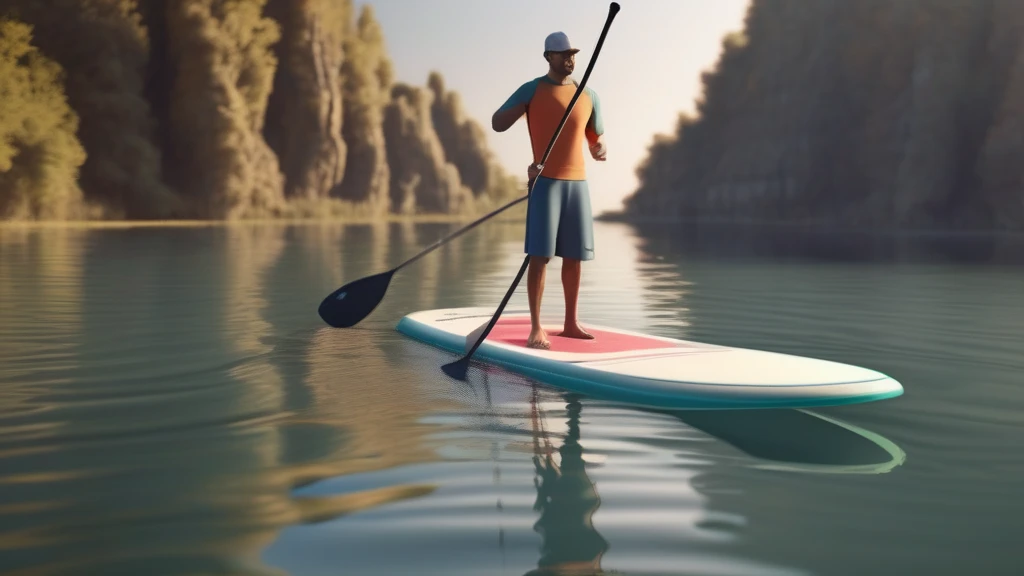
Stand-up paddleboarding (SUP) has surged in popularity as an accessible, enjoyable water sport that combines fitness, recreation, and adventure. Whether you're imagining serene paddles on calm lakes, dynamic yoga sessions atop the water, or scenic touring along coastal waterways, paddleboarding offers a unique experience for all skill levels. If you're new to this sport, the variety of paddleboards and technical jargon can feel overwhelming. This guide breaks down the essentials—covering paddleboard types, key features, terminology, and first-time buyer advice—to help you start your paddleboarding journey confidently and safely.
Understanding Paddleboards: Types and Key Features
Recreational vs. Specialized Paddleboards
Paddleboards come in many shapes and constructions, designed to suit different activities and paddler experiences:
-
Recreational Paddleboards: These are typically wider and thicker boards, prioritizing stability and ease of use. Perfect for beginners and casual paddlers, recreational SUPs often feature a planing hull for flat-water cruising and offer ample deck space for balance.
-
Fitness and Yoga Boards: Stability remains crucial here, but these boards usually have extra-wide, textured non-slip deck pads to support yoga poses and bodyweight exercises on the water. Some include elastic bungee storage to secure small gear.
-
Touring Paddleboards: Built for efficiency and longer distances, touring SUPs have displacement hulls that cut through water with less resistance. They tend to be longer and narrower than recreational boards and include cargo tie-downs and storage compartments for gear.
-
Fishing Paddleboards: These boards combine stability with specialized features like rod holders, enhanced deck space, and integrated storage systems to accommodate fishing equipment.
-
Racing Paddleboards: Designed for speed and agility, racing SUPs are lightweight, often crafted from carbon fiber or fiberglass composites, and feature sleek displacement hulls. They have narrower widths and minimal deck padding to reduce drag.
Inflatable vs. Solid Paddleboards
One of the first decisions for newcomers is choosing between inflatable and solid (rigid) paddleboards:
-
Inflatable SUPs: Made with durable PVC and drop-stitch fabric technology, inflatable boards are extremely portable, easy to store, and quick to inflate (usually within 5–10 minutes). They often come with carry backpacks, repair kits, and detachable fin systems. Inflatable SUPs excel in versatility and are forgiving for beginners due to their buoyancy and flexibility.
-
Solid SUPs: Constructed from materials like fiberglass, carbon fiber, or hybrid composites, solid boards offer superior rigidity and performance, especially at higher speeds or in choppy conditions. They tend to be lighter on the water but require more storage space and careful transport.
Key Paddleboard Terminology for Beginners
Understanding common terms will help you navigate product descriptions and choose the right board:
-
Hull Design: The shape of the board’s underside. Planing hulls are flat and wide for stability, ideal for beginners and calm waters. Displacement hulls have a pointed nose to cut through water, offering speed and efficiency for touring and racing.
-
Drop-Stitch Fabric: Used in inflatable SUPs, this fabric connects the top and bottom layers with thousands of fine threads, allowing the board to hold high pressure and maintain rigidity.
-
Fin System: Fins enhance tracking and control. Options include single fins (good for straight tracking), dual fins (improve maneuverability), and tri-fin setups (balance between stability and agility).
-
Deck Pad: The textured surface where you stand, usually made from EVA foam to provide grip and comfort.
-
Leash Attachment: A point where you can secure a leash to your ankle, keeping you connected to the board for safety.
First-Time Buyer Recommendations: What to Look for in a Beginner Paddleboard
Stability is King
For beginners, stability reduces the frustration and risk of falls. Look for boards with:
- Widths of 31 inches or more
- Thickness around 4 to 6 inches
- Planing hull designs
- Broad, textured EVA deck pads for grip
Inflatable boards naturally offer some flex, which can enhance stability for new paddlers.
Portability and Storage
If you plan to travel or have limited storage space, inflatable SUPs are often the best choice. Features to consider:
- Quick inflation valves that allow full setup in under 10 minutes
- Included carry bags or backpacks with padded straps
- Lightweight materials like drop-stitch PVC
- Detachable fins for easy packing
Durability and Maintenance
Beginners benefit from boards made with tough, scratch-resistant materials. PVC with reinforced seams on inflatables or fiberglass composites on solid boards provide longevity. Also, many SUP packages include repair kits to handle minor dings or punctures.
Safety Features
Essential safety elements include:
- Leash attachments
- Non-slip deck pads
- Bungee storage to secure personal items
- Reflective accents for visibility
Getting Started: Tips for Your First Paddleboarding Experience
Basic Paddling Technique
- Stance: Stand with feet parallel, about shoulder-width apart, centered on the board.
- Paddle Grip: Hold the top handle with one hand and the shaft with the other, keeping your arms straight but relaxed.
- Paddle Stroke: Reach forward, plunge the paddle blade fully into the water, and pull back alongside the board to propel forward.
Balance Exercises
Practice shifting your weight slowly from side to side while standing. If you feel off-balance, drop to your knees and regain composure before standing again.
Weather and Water Conditions
Start in calm, flat water with minimal wind to build confidence. Avoid currents and crowded areas until you master basic control.
Caring for Your Paddleboard: Maintenance and Safety
- Cleaning: Rinse with fresh water after each use to remove salt, sand, or dirt. Avoid harsh chemicals that may degrade materials.
- Storage: Store inflatable boards uninflated in a cool, dry place away from direct sunlight. Solid boards should be kept indoors or covered outdoors to prevent UV damage.
- Repairs: Use included repair kits promptly to patch small holes or scratches. For serious damage, consult a professional.
- Safety Gear: Always wear a leash and consider a personal flotation device (PFD). Know local regulations and practice safe paddling etiquette.
Environmental Responsibility in Paddleboarding
Many manufacturers now emphasize sustainability through:
- Use of eco-friendly materials such as biodegradable coatings and low-VOC adhesives
- Employing low carbon footprint manufacturing processes
- Certifications like ISO, CE, and TÜV to ensure environmental standards
As a paddler, you can minimize impact by using reef-safe sunscreens, avoiding sensitive habitats, and practicing “leave no trace” principles.
Final Thoughts
Embarking on your paddleboarding adventure is exciting and rewarding when you choose the right equipment and understand the fundamentals. For beginners, inflatable recreational SUPs with stable planing hulls, durable drop-stitch construction, and user-friendly features provide an ideal starting point. Coupled with basic paddling techniques, safety awareness, and proper maintenance, you’ll be well-equipped to enjoy the many benefits of paddleboarding—whether for fitness, relaxation, or exploration.
With this knowledge in hand, the water is ready and waiting!