
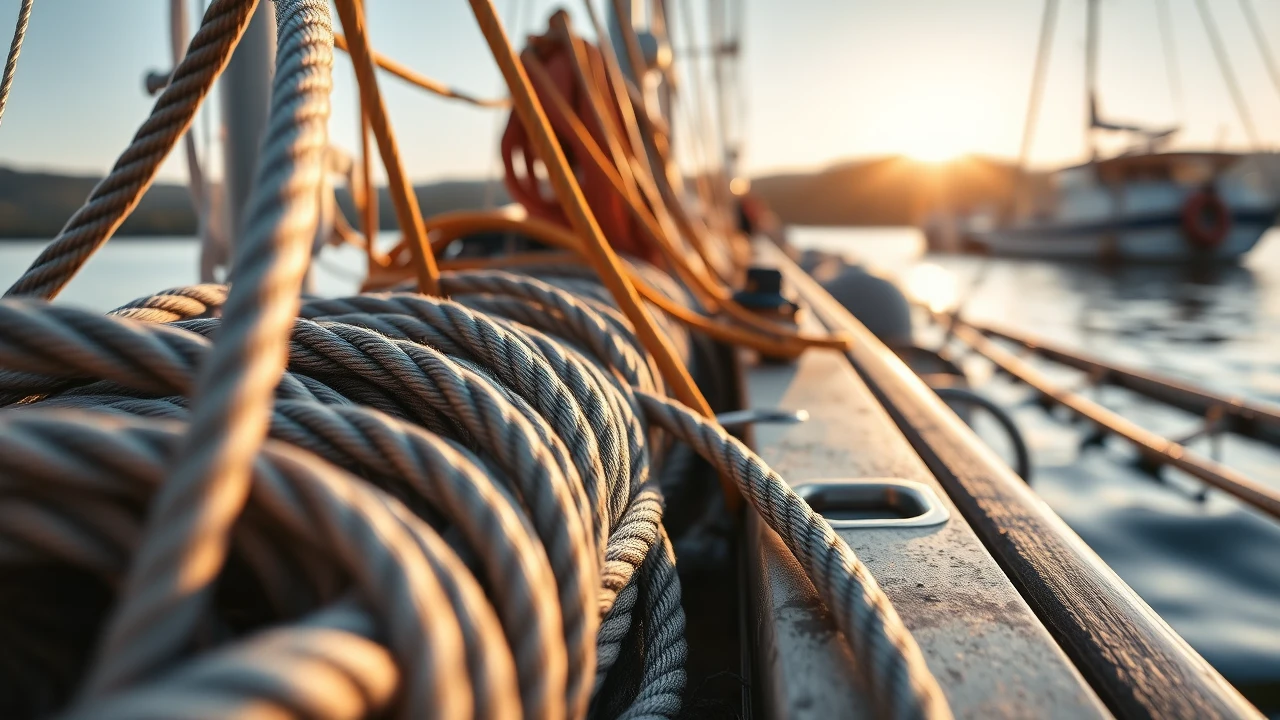
When it comes to water sports, boating, or emergency rescue operations, the importance of choosing the right rope or hardware cable cannot be overstated. Whether you're a recreational wakeboarder, a boater securing a vessel, or a rescue professional, understanding the fundamentals of ropes and hardware cables is crucial to ensure safety, durability, and performance. This beginner's guide will walk you through the essential terminology, materials, features, and first-time buyer recommendations in the specialized category of ropes and hardware cable designed for marine and water-related applications.
Understanding the Basics: What Are Ropes & Hardware Cable?
Ropes and hardware cables in this category are specialized cords engineered to withstand harsh marine environments. Unlike general-purpose ropes, these products are built with specific materials and design features to ensure longevity, safety, and functionality in water sports, docking, towing, and rescue scenarios.
Key Characteristics
- Durability: Resistance to abrasion, UV rays, and water exposure.
- Safety Features: Floating or partially floating designs, quick-release mechanisms, ergonomic handles.
- Environmental Responsibility: Use of recyclable components, biodegradable coatings, and eco-conscious manufacturing.
- Certifications: Many ropes meet TÜV, ISO, CE, and marine safety standards, ensuring quality and reliability.
Common Rope Materials and Their Applications
Choosing the right rope material is fundamental to matching the rope to your specific use case. Here are the most common materials and their characteristics:
Nylon
- Strength & Elasticity: Nylon ropes offer excellent tensile strength and stretch, which provides shock absorption—ideal for towing tubes and wakeboarding where sudden pulls occur.
- Abrasion Resistance: Good durability but can absorb water, making it heavier when wet.
- Use Case: Tow ropes for inflatable tubes, water skiing lines.
Polypropylene
- Lightweight & Buoyant: Floats on water, making it easy to retrieve and see during water activities.
- UV Resistant: Often treated to resist sun damage.
- Use Case: Docking ropes, general-purpose marine lines.
Polyester
- Low Stretch: Provides high strength with minimal elongation, perfect for anchoring where stability is critical.
- Durability: Superior resistance to UV and abrasion.
- Use Case: Anchor lines, mooring ropes.
Braided Polyethylene
- High Strength & Lightweight: Combines durability with buoyancy.
- Eco-friendly Options: Often comes with biodegradable coatings.
- Use Case: Rescue ropes, high-visibility applications.
Key Features to Look For When Buying Your First Rope
Length and Thickness
- Length: Typically ranges from 25 to 100 feet. Choose longer ropes for anchoring or docking to allow for water depth and tidal changes.
- Thickness: Common diameters range from 6mm to 12mm. Thicker ropes offer higher tensile strength but can be heavier and less flexible.
Tensile Strength
- Look for ropes rated up to 2,500 lbs or higher for demanding applications like rescue or towing heavy watercraft.
Floating vs. Non-Floating Ropes
- Floating Ropes: Made from polypropylene or polyethylene, these ropes stay on the water surface, enhancing safety by easing retrieval and reducing entanglement risks.
- Non-Floating Ropes: Typically nylon or polyester, these sink or partially float and are preferred for anchor lines where submersion is necessary.
Handles and Grip
- Ergonomic handles made from EVA foam or rubber improve grip and comfort, especially during high-tension activities like wakeboarding or rescue pulls.
Safety Mechanisms
- Quick-Release Hooks and Loops: Enable fast detachment in emergencies.
- Reinforced Loops: Reduce wear and help distribute load evenly.
Certifications and Standards
- Select ropes with TÜV, ISO, or marine safety certification to ensure adherence to strict quality and safety criteria.
Activity-Specific Rope Recommendations
For Wakeboarding and Water Skiing
- Choose ropes made of nylon or polypropylene with good elasticity for shock absorption.
- Lengths between 50-75 feet and diameters around 8-10mm are common.
- Look for ergonomic handles and floating designs to simplify use and safety.
Tow Ropes for Inflatable Tubes
- Lightweight, floating polypropylene ropes with quick-release mechanisms are preferred.
- Lengths generally range from 25 to 50 feet, with thinner diameters (6-8mm) for easy handling.
Anchor Lines for Boating
- Durable polyester ropes with low stretch and high tensile strength (up to 2,500 lbs).
- Length should exceed water depth by at least 3 times, typically 50-100 feet.
- UV resistance and abrasion protection are essential for longevity.
Docking Ropes
- Polypropylene or polyester ropes with floating capabilities for easy visibility.
- Incorporate reinforced loops and anti-slip grips.
- Lengths vary depending on boat size but generally stay between 25-50 feet.
Rescue Ropes
- High-visibility braided polyethylene with tensile strength exceeding 2,000 lbs.
- Features like quick-release hooks, ergonomic handles, and certifications are critical.
- Bright colors improve visibility in emergency situations.
Maintenance Tips to Prolong Rope Life
Proper care extends rope longevity and ensures safety compliance:
- Rinse After Use: Saltwater can degrade fibers; always rinse with fresh water.
- Dry Thoroughly: Avoid storing ropes wet to prevent mold or rot.
- Inspect Regularly: Check for fraying, cuts, or weakened spots before each use.
- Store Properly: Use included storage bags or spools to prevent tangling and damage.
- Avoid Chemicals: Keep ropes away from harsh chemicals or oils that can weaken fibers.
Environmental Considerations: Sustainable Choices
Many manufacturers now prioritize environmentally responsible practices:
- Biodegradable Coatings: Reduce microplastic pollution.
- Recyclable Components: Facilitate end-of-life recycling.
- Eco-conscious Manufacturing: Lower carbon footprint and chemical use.
Choosing ropes with these features supports sustainability without compromising performance or safety.
Final Thoughts: Making an Informed Choice
Starting your journey with ropes and hardware cable need not be overwhelming. By understanding the materials, features, and application-specific requirements, you can select a rope that ensures safety, durability, and functionality tailored to your needs.
Remember to:
- Match rope material to your activity.
- Consider length, diameter, and tensile strength carefully.
- Prioritize safety features like floating design, ergonomic handles, and quick-release mechanisms.
- Look for certified products that meet rigorous quality standards.
- Maintain your ropes properly to extend their useful life.
- Support eco-friendly products for sustainable water sport and marine activities.
With this foundational knowledge, you are well-equipped to choose the right ropes and hardware cables, ensuring enjoyable and secure experiences on the water or in emergency situations.