
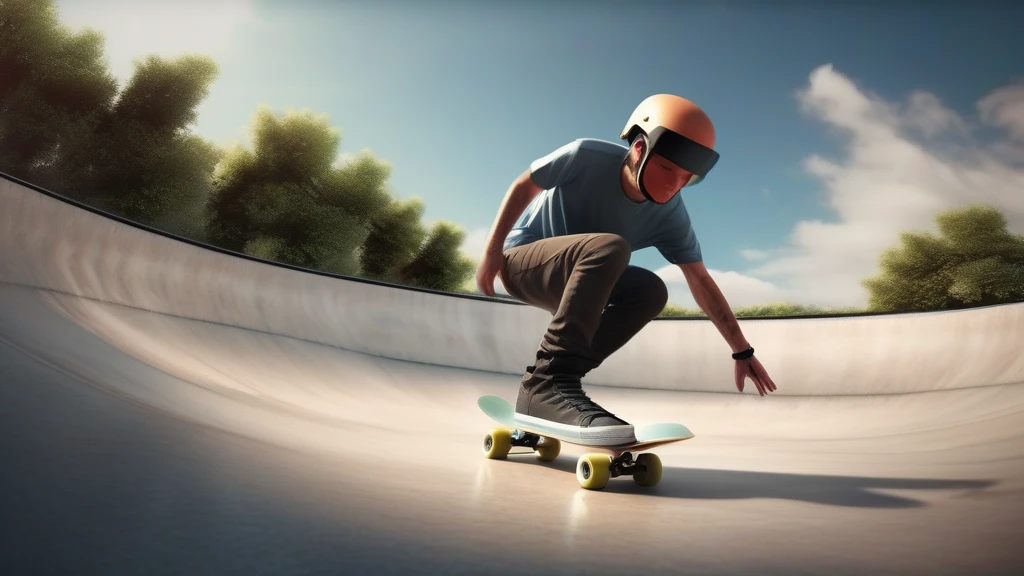
Skateboarding is an exciting and dynamic sport that draws newcomers of all ages. Whether you're stepping onto a skateboard for the first time or venturing into related activities like scootering or BMX riding, one essential piece of gear stands between you and serious injury: the skate helmet. This beginner’s guide will walk you through everything you need to know about skate helmets, from basic terminology and safety certifications to fit, features, and maintenance. By the end, you’ll be equipped to choose the right helmet that balances protection, comfort, and style for your new adventure.
Why a Skate Helmet Is a Must-Have for Beginners
Skate helmets are specifically designed to protect your head during falls and impacts common in skateboarding and other outdoor recreational sports. Unlike standard bike helmets, skate helmets are engineered to withstand multiple types of impacts—both high and low speed—and accommodate the unique risks of skateboarding, scootering, rollerblading, and even kayaking.
Key reasons to invest in a proper skate helmet:
- Protects against traumatic brain injuries and skull fractures
- Meets multiple safety standards for diverse impact conditions
- Designed for comfort during intense summer activities
- Tailored fit reduces helmet movement, improving safety
- Ventilation helps regulate temperature during prolonged use
Understanding Helmet Safety Certifications
When shopping for your first skate helmet, one of the most important factors to consider is its safety certification. These certifications indicate that the helmet has passed rigorous testing to provide reliable impact protection.
Common Certifications for Skate Helmets
- CPSC (Consumer Product Safety Commission): A U.S. standard for bicycle helmets, also applied to skate helmets. It ensures helmets provide effective impact protection.
- ASTM F1492: A sports-specific certification designed for skateboarding and trick roller skating, covering impacts typical in these sports.
- CE EN 1078: A European certification that applies to helmets for bicycles, skateboards, and roller skates.
- ISO: International standards covering helmet safety for multiple sports.
- TÜV: A rigorous German testing standard emphasizing high safety and quality.
Look for helmets that carry at least two of these certifications. Multi-certified helmets offer versatile protection across various activities, ideal for beginners exploring multiple sports.
Helmet Construction: Materials and Design Features
Skate helmets combine advanced materials and smart design to deliver maximum protection and comfort. Here’s what you should know about typical construction elements:
Shell Materials
- Polycarbonate Shells: Lightweight yet highly durable, polycarbonate is a common choice for outer shells. It resists cracking and disperses impact forces effectively.
- ABS Plastic: Known for toughness and rigidity, ABS shells are impact-resistant and offer solid protection.
- Carbon Fiber Reinforcements: Typically found in higher-end helmets, carbon fiber adds stiffness without weight, enhancing durability.
Impact Absorption
- EPS Foam Liners: Expanded Polystyrene foam lines the inside of most helmets, absorbing shock by compressing during an impact.
- MIPS Technology (Multi-directional Impact Protection System): An advanced feature that allows the helmet’s liner to slide slightly relative to the shell, reducing rotational forces during angled impacts—a common cause of brain injuries.
Fit and Adjustment Systems
- Rotational Dial Fit System: A simple wheel at the back of the helmet tightens or loosens the fit, accommodating different head sizes.
- Adjustable Chin Straps with Quick-Release Buckles: Provide secure fastening and easy removal.
- Multi-Size Fit Pads: Foam pads of varying thicknesses allow fine-tuning the fit and can be replaced as needed.
Ventilation
Skate helmets often feature 10 to 15 strategically placed vents, some with adjustable covers. These ensure airflow to keep you cool during summer rides or long sessions at the skatepark.
Choosing the Right Helmet for Your Skill Level and Sport
For Absolute Beginners
Look for helmets that prioritize comfort and simple adjustability. Youth models often include multiple foam pads and dial systems to accommodate growing heads. Lightweight helmets (200-300 grams) reduce neck strain and encourage consistent use.
Multi-Sport vs. Sport-Specific Helmets
- Multi-Sport Helmets: Certified for skateboarding, cycling, scootering, and rollerblading. Great for beginners experimenting with different sports.
- Sport-Specific Helmets: Designed with sport-tailored impact profiles and features, such as enhanced rear head protection for BMX or streamlined designs for cycling.
Hard Shell vs. In-Mold Construction
- Hard Shell Helmets: Feature a durable outer shell bonded to a foam liner. They are generally more robust against repeated impacts and scratches.
- In-Mold Helmets: The shell and foam liner are fused, creating a lighter, more aerodynamic helmet but potentially less durable in rough conditions.
How to Achieve the Perfect Helmet Fit
Proper fit is crucial for helmet effectiveness. Even the most advanced helmet cannot protect you if it shifts during a fall.
Steps for Proper Fit
- Measure Your Head Circumference: Use a soft tape measure around the largest part of your head, just above your eyebrows.
- Try On Different Sizes: Helmets come in small, medium, large, and sometimes extra small or XL.
- Adjust the Fit System: Use the dial to snugly secure the helmet around your head.
- Position the Helmet Correctly: It should sit level on your head, about one inch above your eyebrows.
- Fasten the Chin Strap: Buckle it snugly but comfortably, allowing no more than one or two fingers’ width between strap and chin.
- Check Stability: Shake your head gently; the helmet should stay in place without rocking.
Caring for Your Skate Helmet: Maintenance and Lifespan
To ensure your helmet continues to provide optimal protection:
- Inspect Regularly: Look for cracks, dents, or compromised foam after any impact.
- Clean Gently: Use mild soap and water; avoid harsh chemicals that can degrade materials.
- Replace Fit Pads: Sweat-wicking liners can be swapped out to maintain comfort and hygiene.
- Store Properly: Keep your helmet in a cool, dry place away from direct sunlight.
- Know When to Replace: Most manufacturers recommend replacing helmets every 3-5 years or immediately after a significant impact.
Ventilation and Comfort: Staying Cool During Summer Sessions
Skateboarding and related activities often take place outdoors in warm weather, making ventilation a key feature.
- Vent Count and Placement: More vents mean better airflow, but their location matters. Vents at the front, top, and rear facilitate a natural cooling effect.
- Adjustable Vents: Some helmets allow you to open or close vents depending on weather conditions.
- Sweat-Wicking Liners: Designed to pull moisture away from the skin, keeping you dry and reducing irritation.
Environmental Impact and Sustainability Trends
Many helmet manufacturers now embrace eco-conscious practices, appealing to environmentally aware consumers.
- Eco-Friendly Materials: Use of biodegradable coatings and recycled plastics.
- Low Carbon Manufacturing: Processes designed to reduce greenhouse gas emissions.
- Recyclable Components: Helmets designed for easier disassembly and recycling at end-of-life.
- Sustainable Packaging: Minimalist, recyclable packaging materials.
Choosing a helmet with sustainability features supports both your safety and the planet.
Style and Visibility: Protecting Yourself While Expressing Identity
Skate helmets come in a wide range of colors, patterns, and finishes. While style is a personal choice, it can also enhance safety.
- Bright Colors and Reflective Details: Increase your visibility to others, especially in low-light conditions.
- Matte vs. Glossy Finishes: Matte finishes tend to reduce glare, while glossy finishes can be more eye-catching.
- Customizable Stickers and Decals: Allow personalization without compromising helmet integrity.
Warranty and Replacement Policies
Check the warranty coverage before purchasing:
- Standard Warranty: Typically covers manufacturing defects for 1-2 years.
- Impact Replacement Programs: Some brands offer discounted or free helmet replacement after a crash.
- Customer Support: Good brands provide guidance on fit, care, and replacement.
Understanding these policies protects your investment and ensures you stay safe.
Final Thoughts: Starting Strong with the Right Skate Helmet
For beginners, a skate helmet is not just a piece of equipment—it’s the foundation of safe and enjoyable skating experiences. By understanding safety certifications, construction materials, fit techniques, and comfort features, you can confidently select a helmet that meets your needs across multiple sports and seasons.
Remember, the best helmet is one you will wear consistently. Prioritize comfort and proper fit as much as safety features, and consider sustainability and style to make your helmet a rewarding part of your skateboarding journey. Stay safe, stay cool, and enjoy the ride!