
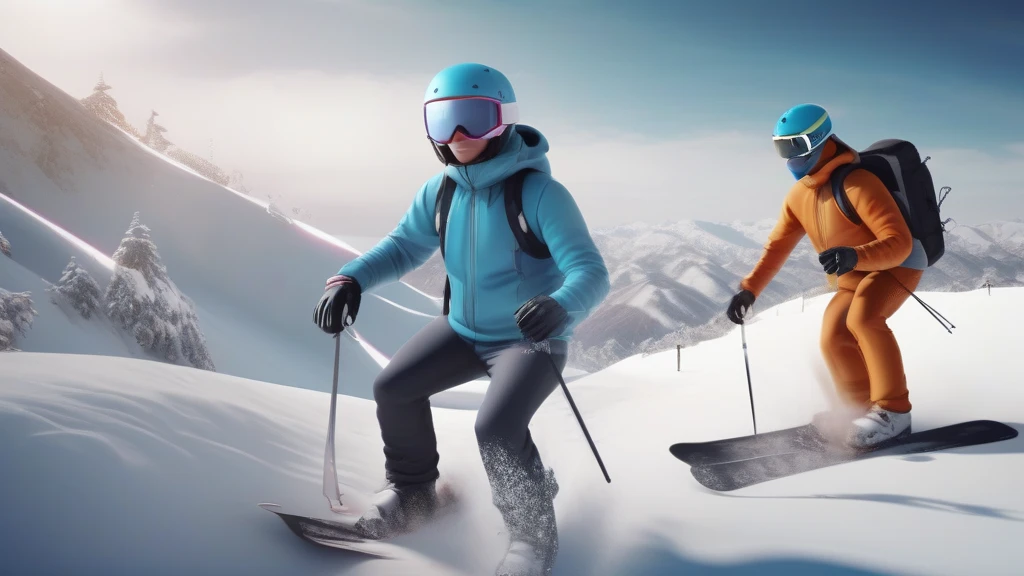
Winter sports are exhilarating and rewarding, but they also come with inherent risks. Whether you're hitting the slopes for skiing, snowboarding, or exploring backcountry trails, protecting your head is essential. For newcomers, the world of ski and snowboard helmets may seem overwhelming, with technical jargon, safety certifications, and a range of features to consider. This guide will walk you through the basics, explain critical terminology, and offer practical advice to help you select the right helmet on your first purchase.
Why Wearing a Ski or Snowboard Helmet Matters
Head injuries are among the most serious risks in winter sports, and wearing a helmet significantly reduces the chances of traumatic brain injuries. Modern ski and snowboard helmets are designed to absorb impact forces, shield from cold and wind, and provide comfort during long days outdoors.
Helmets are not just about safety—they also improve your confidence on the mountain and allow you to focus on technique and fun. Understanding the features and technologies that go into these helmets ensures you make an informed choice that fits your activity and skill level.
Understanding Helmet Safety Certifications and Technologies
Key Safety Standards Explained
When shopping for a helmet, you’ll notice certifications like CE EN 1077, ASTM F2040, and ISO standards printed on labels or product descriptions. These certifications confirm the helmet meets rigorous impact resistance and safety testing specific to winter sports.
- CE EN 1077: A European standard for alpine skiing and snowboarding helmets, focusing on impact protection and penetration resistance.
- ASTM F2040: A North American standard testing helmets for impact absorption and retention system effectiveness.
- ISO standards: International criteria that may cover additional safety aspects beyond impact.
Choosing a helmet that meets one or more of these standards guarantees you’re getting reliable protection tested for winter sports scenarios.
The Role of MIPS and Multi-Impact Foam Liners
In addition to basic safety compliance, look for helmets featuring MIPS (Multi-directional Impact Protection System). MIPS technology reduces rotational forces during angled impacts by allowing a slight movement between helmet layers and the head, potentially decreasing brain injury risk.
Many helmets also use multi-impact EPS foam liners, which differ from single-impact liners by allowing the helmet to absorb multiple impacts without compromising protection—ideal for beginners who may take several tumbles.
Materials and Construction: Balancing Protection, Weight, and Sustainability
The helmet shell is your first line of defense and is typically made from:
- Polycarbonate: Lightweight, impact-resistant, and cost-effective, common in many entry- to mid-level helmets.
- ABS (Acrylonitrile Butadiene Styrene): Durable and tough, often used in budget-friendly models.
- Carbon Fiber and Hybrid Composites: Premium materials combining lightness and exceptional strength, found in high-end helmets.
Many manufacturers now incorporate eco-friendly processes and recyclable materials in their helmets, reflecting a growing commitment to sustainability without sacrificing performance. If environmental responsibility matters to you, look for helmets advertised as using low-carbon manufacturing or recyclable components.
Fit and Comfort: Why It Matters for Beginners
A helmet that fits well is not only safer but more comfortable—crucial for all-day wear during winter activities.
Adjustable Fit Systems
Most helmets feature adjustable systems such as Dial Fit or interchangeable multi-size pads that let you customize the helmet's snugness and shape. This adaptability accommodates different head shapes and sizes and allows for layering with hats or balaclavas.
Ventilation and Temperature Control
Winter sports involve varying conditions, from sunny bluebird days to cold, snowy weather. Helmets with multiple adjustable vents and removable vent covers give you control over airflow, helping prevent overheating or excessive chilling.
Some models incorporate anti-fog airflow designs, which help keep your goggles clear and your vision unobstructed.
Comfort Features
Look for helmets with fleece or sweat-wicking liners, which manage moisture and add warmth. Detachable ear pads provide extra insulation but can be removed for better hearing or ventilation.
Ergonomic designs that reduce pressure points and distribute weight evenly help avoid discomfort during long sessions.
Matching Helmets to Your Winter Sport and Skill Level
Different winter activities have distinct demands, and helmets are tailored accordingly.
Alpine Skiing and Snowboarding
These helmets prioritize lightweight shells (polycarbonate or composites) with goggle integration features—such as magnetic or clip-on goggle holders—to keep eyewear secure and fog-free. Quick-release chin straps add convenience and safety.
For snowboarders and freestyle skiers, helmets often have enhanced multi-impact liners due to the higher likelihood of repeated falls.
Backcountry Skiing and Ice Climbing
These helmets emphasize durability and multi-impact resistance, sometimes incorporating carbon fiber or hybrid composites for extra protection while maintaining low weight. Ventilation must be adjustable to accommodate variable activity levels.
Specific designs may include reinforced zones for climbing harness compatibility and are often compatible with communication devices for remote environments.
Snowmobiling and Winter Hiking
Helmets for these activities balance warmth and ventilation, with thicker liners and removable ear pads to adapt to temperature swings. Since snowmobiling involves higher speeds, impact resistance and aerodynamic shell shapes are critical.
Accessory Compatibility: Goggles, Communication, and More
Your helmet should seamlessly integrate with other gear.
- Goggle Compatibility: Look for helmets with over-the-helmet goggle fit or magnetic/clip holders to prevent slippage and fogging.
- Communication Devices: Many helmets have built-in or compatible slots for installing Bluetooth headsets or radios, enabling easy communication on the slopes.
- Visors and Face Shields: Some helmets offer optional visors for sun protection or face shields that integrate with goggles.
Maintenance Tips for Your Helmet's Longevity
Proper care keeps your helmet performing optimally season after season.
- Regular Cleaning: Use mild soap and water to clean the shell and liners. Avoid harsh chemicals that may degrade materials.
- Drying: Always air-dry your helmet indoors after use, especially if liners are removable—moisture can degrade padding and foam.
- Storage: Store helmets in a cool, dry place away from direct sunlight and extreme temperatures.
- Inspection: Routinely check for cracks, dents, or compromised straps. Replace your helmet after a significant impact or every few years as materials degrade.
Final Thoughts: Making the Right Choice
Choosing your first ski or snowboard helmet involves balancing safety, comfort, and features suited to your winter sport. Prioritize helmets with recognized safety certifications, MIPS or multi-impact foam liners, and adjustable fit systems to ensure protection and comfort. Consider shell materials and eco-friendly manufacturing if sustainability is important. Finally, check compatibility with goggles and communication gear to complete your setup.
With this foundational knowledge, you can confidently select a helmet that safeguards your adventures and enhances your enjoyment of winter sports for years to come. Stay safe, stay warm, and enjoy the slopes!