
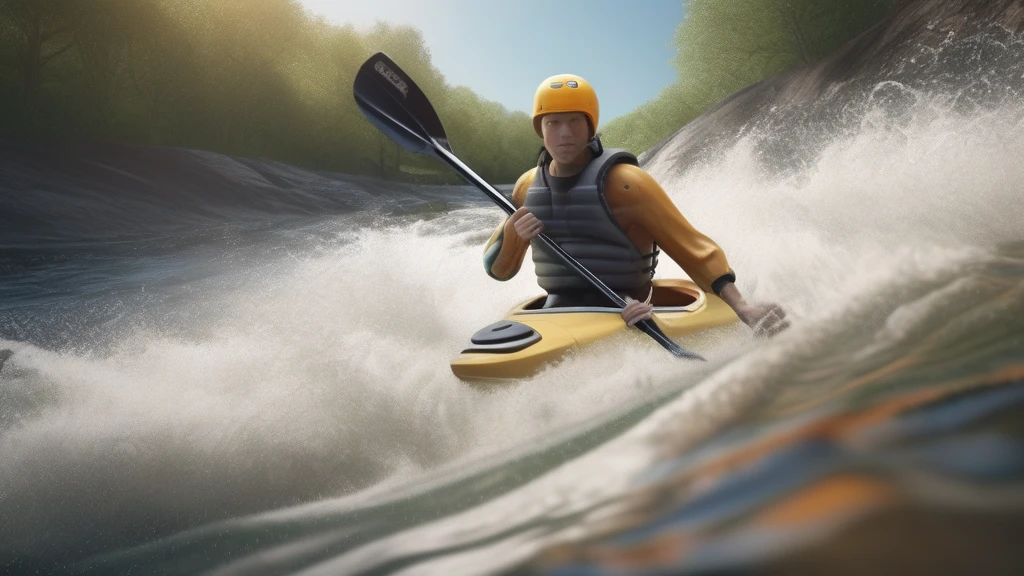
Slalom kayaking is an exhilarating sport that combines precision, speed, and agility on dynamic river courses. For newcomers eager to dive into this high-performance discipline, understanding the fundamentals of slalom kayaks, their unique features, and how to choose the right one is essential for a rewarding and safe experience. This guide will walk you through the basics, important terminology, equipment insights, and practical tips to help you get started the right way.
Understanding Slalom Kayaks: What Sets Them Apart?
Slalom kayaks are specialized vessels designed primarily for competitive river racing and fitness paddling on whitewater courses. Unlike recreational kayaks, they focus on speed, maneuverability, and control to navigate tight gates and rapid currents efficiently. Here are some defining characteristics:
Lightweight Construction for Agile Performance
Most slalom kayaks weigh under 35 pounds, achieved through advanced materials such as:
- Carbon Fiber: Offers exceptional stiffness and lightness, ideal for racers seeking maximum responsiveness.
- Kevlar: Known for high impact resistance and durability, Kevlar blends strength with lightweight properties.
- Fiberglass: Provides a balance of flexibility and durability, often used in mid-range slalom kayaks.
- High-Density Polyethylene (HDPE): Durable and impact-resistant, though heavier, suitable for beginners and rugged use.
- Thermoformed ABS: Lightweight and weatherproof with good UV resistance, offering a cost-effective option.
The choice of material directly impacts the kayak’s weight, durability, and performance on the water.
Streamlined Hull Designs for Speed and Stability
Slalom kayaks feature narrow, aerodynamic hulls designed for minimal drag and enhanced stability at racing speeds. Key design elements include:
- Low-Profile Cockpit: Reduces wind resistance and allows for quick paddler movements.
- Rocker and Hull Shape: Optimized for rapid turns and smooth navigation through gates.
- High Stability: Despite their narrow design, these kayaks minimize tipping risk, crucial for novice paddlers gaining confidence.
Ergonomic and Adjustable Features
Comfort and control are paramount in slalom kayaking. Modern kayaks incorporate:
- Adjustable Footrests and Seating: Enable paddlers to customize fit for better power transfer and control.
- Anti-Slip Seats: Ensure secure positioning during aggressive maneuvers.
- Spray Skirts: Prevent water intrusion, keeping the paddler dry in turbulent conditions.
- Modular or Foldable Components: Enhance portability for transporting to and from water bodies.
Safety and Durability
Slalom kayaking involves dynamic water conditions, so safety features are integral:
- Reinforced Hulls: Protect against impacts with rocks and obstacles.
- Emergency Quick-Release Systems: Allow paddlers to exit swiftly if capsized.
- Certifications: Many slalom kayaks meet ISO, CE, or TÜV marine safety standards.
- Weatherproof and UV-Resistant Materials: Extend kayak lifespan and reliability.
Environmental Considerations
Some manufacturers use eco-friendly, recyclable materials and low-emission manufacturing processes, aligning with conservation values important to many outdoor enthusiasts.
Key Terminology for Beginners
Familiarizing yourself with common slalom kayaking terms will ease your learning curve:
- Slalom Course: A river or artificial whitewater track with gates that paddlers must navigate in a set order.
- Gates: Pairs of poles suspended over the water; paddlers pass through them without touching.
- Hull: The main body of the kayak.
- Rocker: The curvature of the kayak’s hull from bow to stern, influencing maneuverability.
- Spray Skirt: A flexible cover sealing the cockpit to keep water out.
- Footrests (Foot Braces): Adjustable supports for feet, improving paddler leverage.
- Cockpit: The opening where the paddler sits.
- Edging: Tilting the kayak on its side to aid turning.
Choosing Your First Slalom Kayak: What to Consider
Selecting the right slalom kayak depends on your skill level, intended use, and personal preferences. Here are critical factors for beginners:
Skill Level and Use Case
- Novices and Fitness Paddlers: Opt for kayaks made from durable materials like HDPE or fiberglass. These models provide forgiving handling and resilience to bumps.
- Intermediate to Advanced Racers: Lightweight carbon fiber or Kevlar kayaks offer superior speed and responsiveness but require more skill to control.
- Solo vs. Tandem: Most slalom kayaks are designed for solo use, but tandem kayaks are available for shared fitness paddling or recreational racing.
Size and Fit
Your kayak should match your body size to maximize control and comfort. Adjustable seats and footrests help fine-tune fit, but length and cockpit dimensions are also key. Shorter kayaks offer quicker turning, while longer ones provide better tracking.
Portability and Storage
Consider weight and transport options. Modular or foldable kayaks may be easier to carry and store, especially if you travel frequently. Built-in carry handles are a helpful feature.
Accessories and Safety Features
Look for models that include or support:
- Spray skirts for water protection.
- Integrated storage hatches for essentials.
- Emergency quick-release systems.
- Comprehensive warranties, ideally with lifetime hull coverage.
Training Tips for Beginner Slalom Kayakers
Getting comfortable with your kayak and mastering slalom techniques requires consistent practice and attention to safety.
Develop Core Skills
- Paddling Technique: Focus on efficient forward strokes, sweep strokes for turning, and brace strokes to prevent capsizing.
- Boat Control: Practice edging and carving turns to navigate gates smoothly.
- Balance and Stability: Work on maintaining a low center of gravity and quick recovery from tipping.
Safety Precautions
- Always wear a properly fitted personal flotation device (PFD).
- Use helmets on whitewater courses.
- Practice wet exits and re-entries in a controlled environment.
- Paddle with a partner or group, especially on unfamiliar rivers.
Conditioning and Fitness
Slalom kayaking demands strength, endurance, and agility. Incorporate cross-training exercises such as core strengthening, cardio workouts, and flexibility routines to enhance performance.
Maintenance and Care for Longevity
Proper upkeep extends your kayak’s life and ensures safe operation:
- Rinse your kayak with fresh water after use, especially in saltwater.
- Inspect the hull and cockpit for cracks or wear regularly.
- Store the kayak in a shaded, dry place to prevent UV damage.
- Check and maintain adjustable fittings and spray skirts.
- Use repair kits promptly to address minor damages.
Environmental Impact and Responsible Paddling
Choosing slalom kayaks made with eco-friendly materials and sustainable manufacturing processes minimizes environmental footprints. Additionally:
- Follow Leave No Trace principles on waterways.
- Avoid disturbing wildlife habitats.
- Dispose of waste and materials properly.
Summary: Starting Your Slalom Kayaking Journey
Slalom kayaking offers an exciting blend of athletic challenge and connection with nature. By understanding the specialized characteristics of slalom kayaks—lightweight construction, streamlined design, ergonomic features, and safety technologies—you can select the right vessel tailored to your skill level and goals. Prioritize fit, durability, and portability while equipping yourself with essential accessories like spray skirts and safety gear.
With dedicated practice, attention to maintenance, and respect for environmental stewardship, you’ll be well on your way to mastering the art of slalom kayaking. Embrace the thrill of the water, enjoy the fitness benefits, and join a passionate community of paddlers navigating the twists and turns of this dynamic sport.