
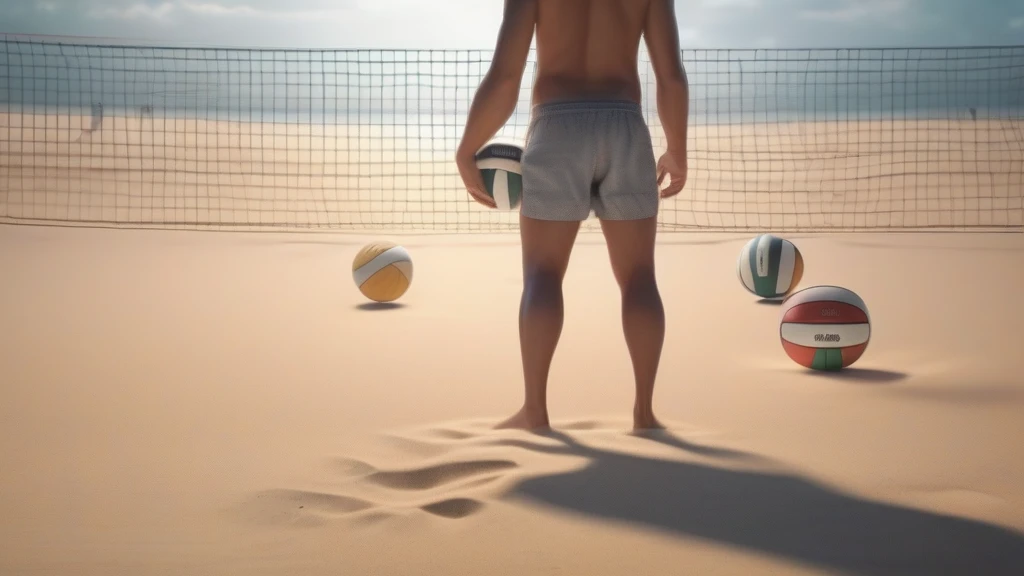
Volleyball is a dynamic sport enjoyed by millions around the world, whether played competitively indoors, on sandy beaches, or casually in a backyard. If you’re new to volleyball, selecting the right ball can feel overwhelming given the variety of options available. This guide will help beginners understand the basics of volleyballs, key terminology, what to expect from different types, and practical buying tips to get started on the right foot.
Understanding Volleyball Basics
What Is a Volleyball?
A volleyball is a specially designed ball crafted for the fast-paced, high-impact demands of volleyball play. Unlike generic sports balls, volleyballs are engineered to optimize grip, bounce, durability, and flight characteristics to suit different environments and skill levels.
Common Volleyball Sizes and Weights
The official regulation volleyball size approved by organizations such as the FIVB and NCAA measures approximately 65-67 cm (about 25.5-26.5 inches) in circumference and weighs between 260-280 grams (9.2-9.9 ounces). For beginners, especially younger players, smaller or lighter training-size balls are often recommended to ease handling and reduce impact.
Volleyball Terminology to Know
- Bladder: The internal component that holds air, typically made from butyl or latex, impacting air retention and bounce.
- Panels: Sections of the ball’s exterior, usually 18 or more, stitched or bonded together.
- Grip Texture: Surface treatment like microfiber or anti-slip coatings that improve control.
- Certification Marks: Logos or stamps from regulatory bodies (FIVB, NCAA, TÜV, ISO, CE) indicating compliance with official standards.
Types of Volleyballs: Matching Ball to Play Environment
Indoor Volleyballs
Indoor volleyballs are designed for hard court play and require precise control and consistent bounce. These balls often feature composite or synthetic leather exteriors with reinforced stitching or high-tension panel bonding for durability under intense play. The bladders are usually made from butyl for superior air retention, ensuring the ball maintains consistent pressure throughout matches.
Key Features:
- Smooth, microfiber or synthetic leather surface for excellent grip and control.
- High air retention bladder (butyl) for steady bounce.
- Durable panel construction to withstand hard court impact.
- Certified for official league play by FIVB or NCAA.
Beach Volleyballs
Beach volleyballs are optimized for outdoor use on sand and in variable weather. They often include waterproof and UV-resistant coatings to protect against sun damage and moisture absorption. The surface texture tends to be slightly rougher or pebbled to enhance grip despite sandy or wet hands. These balls are usually a bit larger and lighter than indoor volleyballs to accommodate wind and outdoor conditions.
Key Features:
- Waterproof, UV-resistant outer layer.
- Textured surface for improved grip in sandy or wet conditions.
- Lightweight design for better handling outdoors.
- Durable rubber or synthetic composite materials resistant to tearing.
- Compliance with beach volleyball certification standards.
Training Volleyballs
Training volleyballs cater to players developing skill and stamina. These balls often come with adjustable pressure options or smaller sizes to tailor bounce and responsiveness. Lightweight, impact-resistant materials reduce strain during long practice sessions. Some models include child-safe, non-toxic coatings, making them ideal for youth players.
Key Features:
- Adjustable pressure bladder for customized bounce.
- Smaller or lighter sizes for beginners or youth.
- Durable build for repeated use.
- Non-toxic, child-safe surface coatings.
- Often multi-surface compatible for indoor/outdoor training.
Multi-Surface Volleyballs
For casual or recreational players who use different playing surfaces, multi-surface volleyballs offer versatility. These typically have reinforced rubber or synthetic exteriors with a textured, anti-slip surface for reliable grip on grass, hard courts, or sand. They provide moderate durability and weight suitable for non-competitive play.
Key Features:
- Textured rubberized surface for grip across surfaces.
- Durable, tear-resistant materials.
- Moderate air retention bladders (butyl or latex).
- Suitable for recreational and backyard play.
How to Choose Your First Volleyball
Consider Your Playing Environment
- Indoor Court: Opt for a composite or synthetic leather volleyball with high air retention and a smooth surface for precise control.
- Beach: Look for waterproof, UV-resistant balls with textured grips designed to perform well in sand and sun.
- Training: Choose lightweight, adjustable-pressure balls that are easier to handle and less taxing for extended practice.
- Multi-Surface Play: Select durable, textured rubber volleyballs that can handle various surfaces without rapid wear.
Check for Certification and Quality Standards
Beginners should look for balls that meet recognized standards such as FIVB or NCAA certification for official size, weight, and performance. Even if you’re not playing competitively, certified balls ensure quality construction and reliable playability.
Material and Durability
High-quality volleyballs use advanced materials like microfiber, synthetic leather, and tear-resistant rubber. These materials improve durability and grip, essential for consistent performance. Reinforced stitching or bonded panels enhance lifespan, especially under regular use.
Air Retention and Maintenance
A volleyball’s bladder quality affects how well it holds air and maintains bounce. Butyl bladders are preferred for their excellent air retention, while latex bladders offer a softer feel but may require more frequent inflation. Proper maintenance includes:
- Using a pressure gauge to maintain recommended inflation.
- Avoiding over-inflation to prevent seam damage.
- Repairing minor punctures with patch kits.
- Storing the ball in a cool, dry place away from direct sunlight.
Size and Weight for Beginners
If you are a young player or just starting, consider training-size balls or those with slightly reduced weight to improve comfort and technique. These balls help build confidence and reduce the risk of injury during initial learning phases.
Practical Tips for Getting the Most Out of Your Volleyball
Grip and Handling Practice
A textured or microfiber surface improves ball control and passing accuracy. Practice catching, setting, and serving with your ball in different conditions to become familiar with its grip and bounce.
Adjust Pressure for Skill Development
If your volleyball allows pressure adjustment, experiment with different inflation levels. A softer ball can help beginners refine touch and control, while a firmer ball simulates match conditions.
Cleaning and Storage
Regularly wipe down your volleyball with a damp cloth to remove dirt and sweat. Avoid harsh chemicals that can degrade surface materials or coatings. Proper storage—preferably indoors and away from extreme temperatures—extends the ball’s usable life.
Environmental Responsibility
Many modern volleyballs incorporate eco-friendly materials and manufacturing processes. Choosing balls made with recyclable components or non-toxic coatings supports sustainability efforts within the sporting goods industry.
Conclusion
Choosing your first volleyball doesn’t have to be daunting. By understanding the different types of volleyballs, their materials, certifications, and features, beginners can select a ball suited to their playing environment and skill level. Whether you want a durable indoor ball for league play, a weather-resistant beach volleyball, or a lightweight training ball to develop skills, focusing on quality construction, grip texture, and air retention will set you up for success. With proper care and maintenance, your volleyball can provide countless hours of fun and improvement on the court.
Starting right with the proper volleyball is the first step toward enjoying this exciting sport to its fullest. Happy playing!