
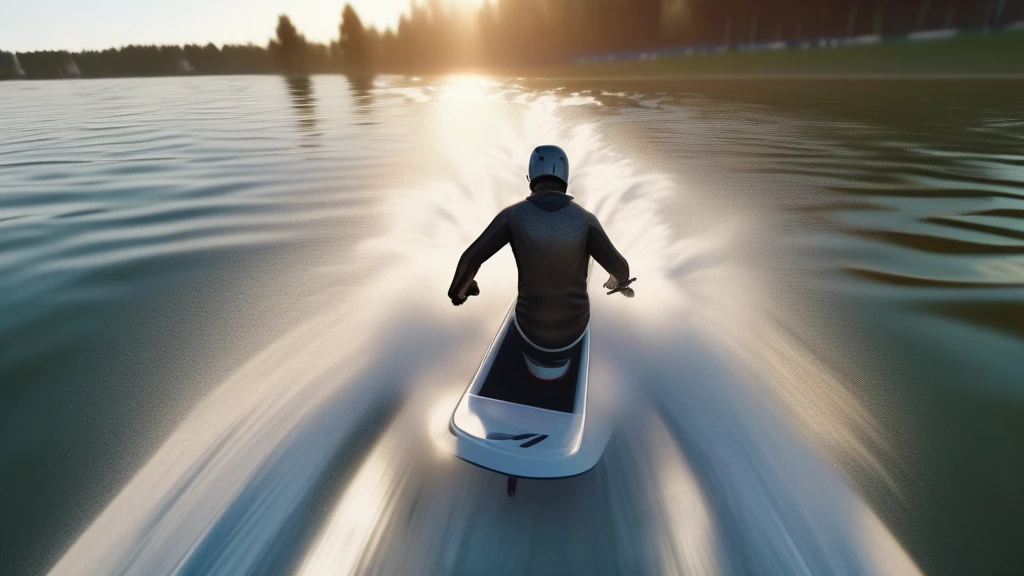
Wakeboarding is an exhilarating water sport that combines the thrill of surfing, snowboarding, and waterskiing. If you're new to wakeboarding, the process of selecting your first wakeboard and understanding the basics can feel overwhelming. This guide aims to demystify the key concepts, terminology, and product features to help beginners start wakeboarding with confidence and make informed decisions about their equipment.
Understanding Wakeboarding and Wakeboards
Wakeboarding involves riding a specially designed board while being towed behind a boat or a cable system. The goal is to glide across the water’s surface, perform jumps, and execute tricks. Unlike surfing, where you rely on waves, wakeboarding depends on the boat’s wake or cable tension to provide lift and momentum.
What Makes a Wakeboard Different?
Wakeboards are distinct from other boards like surfboards or snowboards due to their construction and features optimized for towing. They tend to be shorter and wider, with bindings to secure your feet and fins underneath for control.
Typically, wakeboards are composed of lightweight yet durable materials such as:
- Fiberglass: A popular material offering a good balance between flexibility and strength.
- Carbon fiber: Used in high-performance boards for enhanced stiffness and reduced weight.
- Composite blends: Combining fiberglass, carbon, and other materials to optimize responsiveness.
- Wood cores: Often used for added flex and eco-friendly manufacturing.
Many modern wakeboards incorporate environmentally conscious processes, using recyclable or biodegradable materials to reduce ecological impact.
Key Wakeboard Features for Beginners
When shopping for your first wakeboard, it's essential to understand the main features that affect your riding experience.
Board Size and Shape
Wakeboard size is typically measured in length (in inches or centimeters). For beginners, a larger wakeboard offers greater surface area, which translates to more stability and easier balance on the water.
- Length: Beginners should consider boards that are roughly between 135 cm and 145 cm, depending on their weight and height.
- Width: Wider boards provide more surface contact with water, enhancing stability.
Rocker Profiles
The rocker refers to the curvature of the board from tip to tail. It influences speed, smoothness, and how the board reacts on the water.
- Continuous Rocker: A smooth, constant curve that offers faster speeds and a smoother ride — good for beginners seeking stability.
- 3-Stage Rocker: A board with flat sections and distinct angles creating a pop off the wake; less forgiving but great for tricks.
- Hybrid Rocker: Combines continuous and 3-stage elements, balancing speed and pop, suitable for progression.
- High Rocker: Aggressive curvature designed for advanced riders focusing on sharp turns and big air.
For those just starting out, a continuous or hybrid rocker is usually best, providing a forgiving ride and ease of control.
Fin Configuration
Fins under the board help with tracking and control, preventing the board from sliding side to side.
- No-Fin Boards: Common in cable park wakeboarding, designed for smooth sliding on rails and obstacles.
- Single or Twin Fin Setups: Provide moderate tracking and maneuverability.
- Quad Fin Systems: Four fins offering greater hold and control, beneficial for beginners who want stable, predictable rides.
Most beginner wakeboards come with adjustable or removable fins, allowing you to customize the feel as you improve.
Bindings and Safety Features
Bindings secure your feet to the board and are critical for comfort and safety. Look for:
- Ergonomic designs: To reduce fatigue and increase comfort.
- Quick-release mechanisms: For easy exit in case of falls.
- Reinforced edges and protective rails: To enhance durability and reduce injury risk.
Many boards meet marine safety certifications such as ISO, CE, or TÜV, ensuring they comply with quality and safety standards.
What to Expect as a First-Time Rider
Wakeboarding has a learning curve, but with the right equipment and mindset, you can progress quickly.
- Initial Balance Challenges: Expect to spend time getting comfortable standing on the board with bindings.
- Boat Speed: Beginners usually start at slower boat speeds (around 18-20 mph) to build confidence.
- Falls Are Normal: Falling is part of learning; protective gear like life vests and helmets is crucial.
- Progressive Learning: You’ll start with basic riding, then move to simple turns, edge control, and eventually, tricks.
Choosing a stable, forgiving wakeboard tailored for beginners will make this process smoother.
First-Time Buyer Recommendations
Selecting the Right Board Size and Rocker
- If you weigh between 100-150 lbs, a board length around 135-140 cm is ideal.
- For heavier riders (150-200+ lbs), consider a longer board (140-145 cm) for better flotation.
- Opt for a continuous or hybrid rocker for a smoother, more stable ride.
Material Choices
- Fiberglass boards offer a great balance of durability and weight for beginners.
- Composite blends can provide added responsiveness but may cost more.
- Wood core boards are often a good choice for eco-conscious beginners who want natural flex and sustainability.
Fin Setup
- Start with a twin or quad fin setup for enhanced stability and control.
- Choose boards with adjustable or removable fins to experiment as your skills develop.
Accessories to Consider
- Carry bags: Lightweight and padded for easy transport and board protection.
- Fin kits: Extra fins for tuning your board’s performance as you improve.
- Protective gear: Life jackets, helmets, and impact shorts to stay safe.
Caring for Your Wakeboard and Staying Safe
Maintaining your wakeboard extends its lifespan and ensures consistent performance.
- Rinse with fresh water after every use to remove salt and debris.
- Inspect bindings and fins regularly for damage or wear.
- Store in a cool, dry place away from direct sunlight to prevent material degradation.
- Follow warranty guidelines provided by manufacturers for repairs or replacements.
Always prioritize safety by wearing certified flotation devices and understanding the towing boat or cable system’s signals and commands.
Conclusion
Starting wakeboarding is an exciting adventure, and choosing the right wakeboard is key to enjoying the sport safely and progressing effectively. By understanding the basics—such as size, rocker profiles, fin configurations, and material types—you can select a board that matches your skill level and riding style.
Remember, beginner wakeboards emphasize stability, forgiveness, and safety features to build your confidence on the water. As your skills grow, you can explore more specialized boards optimized for freestyle tricks, cable park riding, or competition-level performance.
With the right knowledge and equipment, you’ll be carving the wake and catching air in no time!