
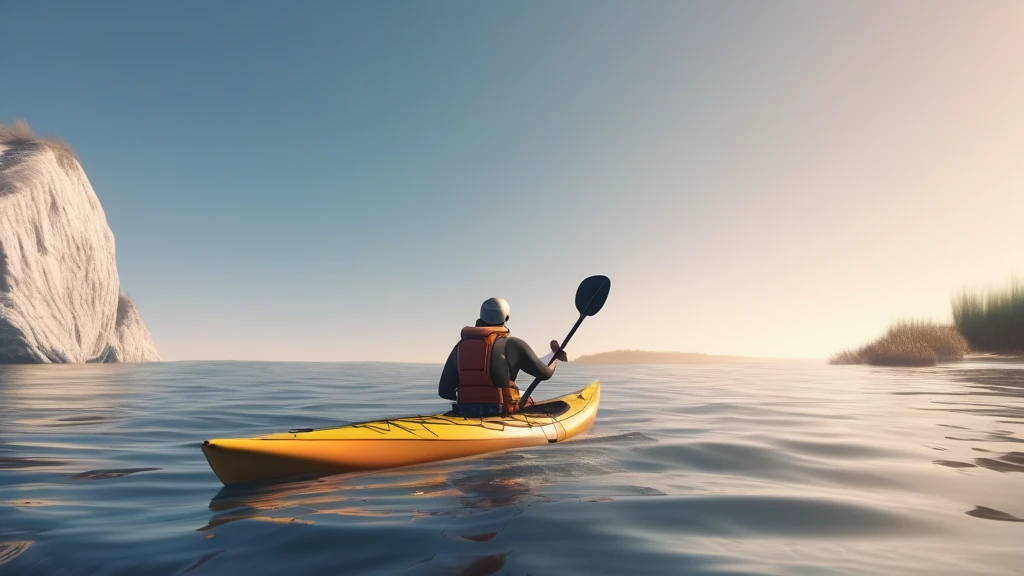
Kayaking is an exhilarating outdoor activity that offers the perfect blend of adventure, fitness, and connection with nature. Among the diverse types of kayaks, whitewater kayaks often evoke images of thrilling river rapids. However, within the broader whitewater kayak category exists a specialized group of sea and touring kayaks designed for coastal exploration, tidal navigation, and long-distance paddling. If you're new to this world, understanding the basics, terminology, and key features will help you select the right kayak and gear for your adventures. This guide walks beginners through everything they need to know to get started the right way.
Understanding the Whitewater Kayak Landscape
What Does "Whitewater Kayak" Mean in This Context?
Traditionally, whitewater kayaks are built for rapid river sections with turbulent water. However, the whitewater kayak category we are exploring primarily includes high-performance sea and touring kayaks optimized for:
- Coastal waters
- Bays and estuaries
- Tidal areas
- Large lakes and open oceans
These kayaks emphasize stability, speed, and endurance rather than maneuvering through rapids. They are perfect for multi-day expeditions, fitness paddling, and recreational touring where long-distance efficiency and gear capacity are priorities.
Key Terminology
- Skeg: A retractable fin or fixed blade at the kayak's stern to improve directional tracking in windy or tidal conditions.
- Spray Skirt: A flexible cover that attaches around the cockpit to keep water out, essential for sea kayaking.
- Load Capacity: The maximum weight a kayak can safely carry, including paddler and gear; typically ranges from 300 to 500 lbs in this category.
- Hull Material: The composite or plastic used in kayak construction, influencing weight, durability, and performance.
- Deck Bungees: Elastic cords on the kayak deck used to secure items for quick access.
Choosing the Right Kayak: Materials and Construction
Understanding kayak materials is crucial for balancing durability, weight, and performance.
Common Materials in Whitewater Touring Kayaks
- Carbon Fiber:
- Pros: Extremely lightweight and stiff, excellent for performance and speed.
-
Cons: Higher cost and more susceptible to damage from impacts.
-
Kevlar:
- Pros: Strong, lightweight, and impact resistant. Often used in expedition-grade kayaks.
-
Cons: Expensive and requires careful maintenance.
-
Fiberglass:
- Pros: Good balance of weight and durability, easier to repair than composites.
-
Cons: Slightly heavier than carbon or Kevlar.
-
Rotomolded Polyethylene:
- Pros: Highly durable, impact resistant, and affordable. Ideal for beginners or rough handling.
-
Cons: Heavier and less efficient in water than composites.
-
Thermoformed ABS and High-Density Polypropylene:
- Pros: Lightweight and UV resistant with decent durability.
- Cons: Moderate price point but less stiff than composites.
What Material Should Beginners Choose?
If you are just starting, rotomolded polyethylene kayaks provide excellent durability and value. They withstand bumps and scrapes common in early paddling experiences. As you gain skill and want to focus on speed and endurance, fiberglass or Kevlar models offer better performance but require more care.
Solo vs. Tandem Kayaks: Making the Right Choice
Solo Kayaks
- Designed for one paddler.
- Generally lighter and more maneuverable.
- Ideal for fitness paddling, solo touring, or exploring narrow channels.
- Often feature adjustable seats and footrests for comfort on long trips.
Tandem Kayaks
- Built for two paddlers, sometimes convertible between solo and tandem.
- Heavier but offer greater load capacity for extended expeditions.
- Perfect for couples, families, or paddlers carrying substantial gear.
- Require good coordination between paddlers but can be more stable.
Which One to Pick?
Beginners should consider their typical use scenario. If you plan mostly solo day trips or fitness paddling, a solo kayak with a skeg for tracking is suitable. For coastal expeditions with a partner or extra gear, a tandem kayak with integrated carrying systems and ample storage hatches is beneficial.
Essential Features for Beginners
Stability and Tracking
Look for kayaks with a wide beam (width) to enhance initial stability, especially on tidal or choppy waters. A skeg system helps maintain a straight course despite wind or currents, reducing fatigue.
Comfort and Adjustability
Adjustable seating and footrests improve paddling posture and reduce strain during long sessions. Many kayaks feature padded seats and backrests for added comfort.
Portability
Beginners often underestimate transportation needs. Many touring kayaks include deck handles, shoulder straps, or even wheel systems to ease carrying from vehicle to water. Some models offer foldable or compact designs for easy storage in small spaces.
Storage Options
For multi-day trips, waterproof storage hatches and deck bungees are essential for securing gear. Ensure the kayak’s load capacity matches your planned equipment weight.
Understanding Safety Certifications
Safety should be a top priority when selecting a kayak. Look for products compliant with:
- US Coast Guard (USCG) standards
- TÜV (Technischer Überwachungsverein) certifications
- CE (Conformité Européenne) marking
- ISO (International Organization for Standardization) certifications
These certifications verify the kayak’s structural integrity, stability, and suitability for specific water conditions, ensuring safer paddling experiences.
Essential Gear and Accessories for Whitewater Sea Kayaking
- Spray Skirt: Keeps water out of the cockpit, particularly important in tidal and choppy conditions.
- Paddle Options: Carbon paddles are lightweight and stiff but costlier; reinforced plastic paddles provide durability and affordability; feathered blades reduce wind resistance.
- Personal Flotation Device (PFD): A properly fitting life jacket rated for kayaking.
- Dry Bags and Storage Solutions: Protects electronics, clothes, and food in storage hatches or under deck bungees.
- Safety Kit: Includes whistle, bilge pump, paddle float, and repair tools.
Maintenance Tips to Prolong Kayak Life
- UV Protection: Prolonged sun exposure degrades materials; applying UV protectant sprays or storing kayaks in shaded areas helps.
- Rinse After Use: Saltwater and sand can cause wear; rinse the kayak with fresh water after each trip.
- Inspect for Damage: Regularly check hull and deck for cracks or abrasions; repair promptly using manufacturer-recommended kits.
- Store Properly: Store kayaks off the ground, ideally indoors or under a cover. Avoid resting on sharp edges or direct sunlight.
Transportation and Storage for Foldable and Compact Kayaks
Foldable sea kayaks are excellent for those with limited storage or transportation options. They typically:
- Disassemble or fold into compact packages.
- Include carrying bags with shoulder straps or wheels.
- Offer similar performance characteristics to rigid kayaks once assembled.
When choosing a foldable model, ensure the locking mechanisms are secure and easy to use. Proper assembly and disassembly practice are essential to avoid damage.
Training and Skill Development for Fitness Paddlers
Whitewater sea kayaks are excellent for fitness due to their efficient hull designs and stability. Beginners looking to build endurance should:
- Start with short, calm water sessions focusing on stroke technique.
- Gradually increase trip length and intensity.
- Incorporate cross-training exercises such as core strengthening and aerobic workouts.
- Join paddling clubs or take beginner courses to learn safety and rescue skills.
Final Thoughts
Starting your whitewater kayaking journey with the right knowledge and equipment can make all the difference in your enjoyment and safety on the water. While the category name suggests rapid river fun, the specialized sea and touring kayaks here are tailored for coastal, tidal, and long-distance adventures emphasizing stability, speed, and comfort.
By understanding kayak materials, solo versus tandem designs, essential features, safety certifications, and maintenance practices, beginners can confidently explore the open water and build skills for more advanced paddling. Remember, the right kayak is the one that fits your goals, skill level, and typical water conditions — setting you up for countless rewarding journeys ahead.