
Sunglasses are much more than a summer accessory—they are essential for protecting your eyes from harmful UV rays, reducing glare, and enhancing visual clarity in diverse lighting conditions. Beyond functionality, sunglasses also serve as a key style statement, blending form with cutting-edge optical technologies. When choosing the perfect pair, one important consideration is the frame design—specifically, whether to opt for rimmed or rimless sunglasses. This guide explores the practical differences, advantages, and style implications of both frame types to help you make an informed choice that suits your lifestyle and aesthetic preferences.
Understanding Rimmed and Rimless Sunglasses
What Are Rimmed Sunglasses?
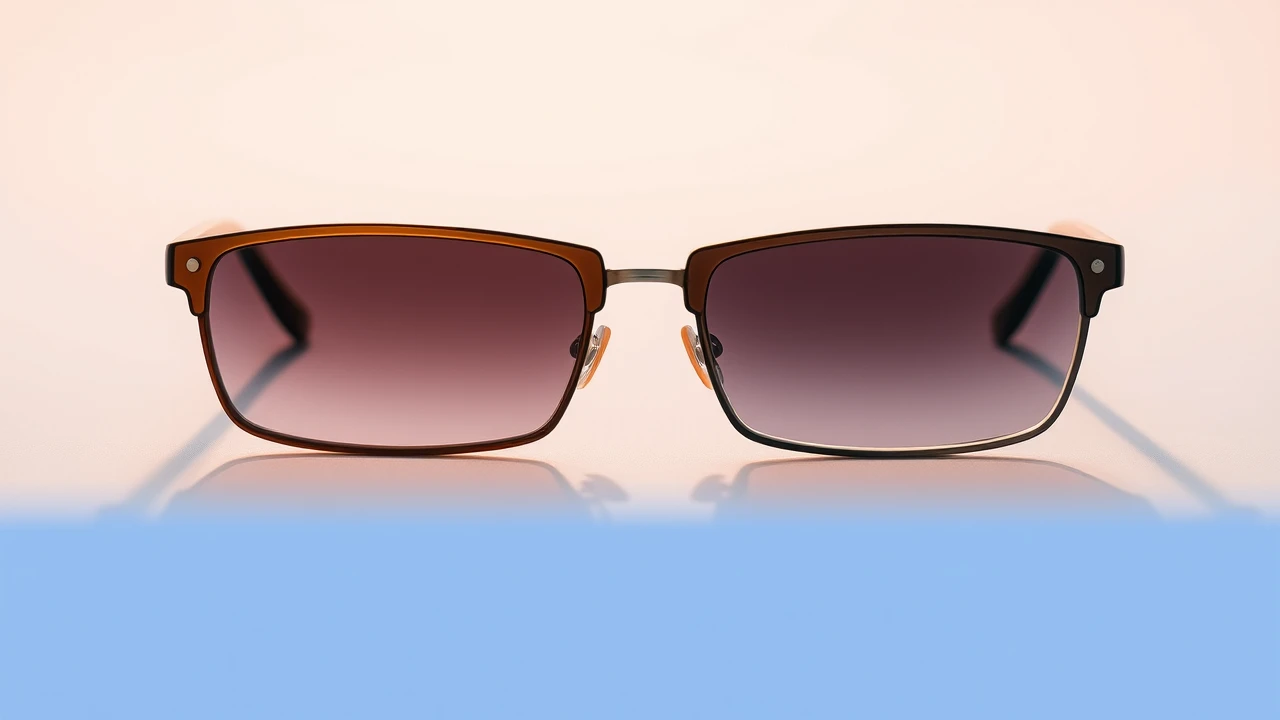
Rimmed sunglasses feature a full or partial frame that encircles the lenses. These frames can be made from various materials, including lightweight metals, durable plastics, or composite materials, and come in a wide array of shapes such as aviator, rectangle, round, and square. Rimmed designs contribute structural integrity to the sunglasses and often serve as a prominent style element.
What Are Rimless Sunglasses?
Rimless sunglasses, on the other hand, have lenses that are attached directly to the temples and bridge without a surrounding frame. This minimalist design emphasizes lightness and unobtrusiveness, creating a modern, barely-there look. Despite their delicate appearance, rimless models often use reinforced lenses and hardware to maintain durability.
Pros and Cons of Rimmed Sunglasses
Advantages
- Enhanced Durability: The frame provides additional protection for the lenses, reducing the risk of cracks or chips.
- Versatile Style Options: With a wide variety of shapes and colors, rimmed sunglasses offer more possibilities for personalizing your look.
- Better Lens Stability: The encircling frame holds lenses firmly, ideal for active lifestyles.
- Easier to Customize: Rimmed frames can accommodate various lens technologies, including polarized, photochromic, and proprietary enhancements like Prizm or ChromaPop.
Potential Drawbacks
- Heavier Weight: Depending on the material, rimmed sunglasses can be slightly heavier, which may affect comfort during prolonged wear.
- More Noticeable on the Face: The frame is a significant visual element and may not suit those seeking a subtle eyewear look.
- Frame Maintenance: Frames can accumulate dirt and require regular cleaning to maintain appearance.
Pros and Cons of Rimless Sunglasses
Advantages
- Lightweight Comfort: Without a bulky frame, rimless sunglasses are often the lightest option, ideal for all-day wear.
- Minimalist Aesthetic: Their sleek, understated design complements a modern, sophisticated style.
- Unobstructed Field of Vision: The absence of a frame around the lenses provides a wider, clearer peripheral view.
- Easy to Pair with Outfits: Rimless styles seamlessly blend with various looks, from casual to professional.
Potential Drawbacks
- Fragility Concerns: Rimless sunglasses may be more prone to damage if not handled carefully, as the lenses bear more stress.
- Limited Frame Shapes: Design options tend to be more restrained compared to rimmed frames.
- Lens Compatibility: Some advanced lens technologies might be harder to implement without a supporting frame.
Style Considerations: How Frame Types Affect Your Look
Matching Rimmed Sunglasses to Face Shape
Rimmed sunglasses come in numerous shapes, allowing you to select frames that complement your facial features:
- Round Faces: Angular rimmed frames like rectangular or square shapes create contrast and add definition.
- Square Faces: Rounded or aviator rimmed frames soften strong jawlines.
- Oval Faces: Most rimmed styles suit oval faces; experiment with bold colors or classic neutrals.
- Heart-Shaped Faces: Rimmed frames with wider bottoms help balance a narrower chin.
Rimless Sunglasses and Style Flexibility
Rimless sunglasses are particularly suited for those who prefer a subtle, elegant look that doesn’t overpower facial features. Their minimalist design works well with both casual and formal attire, making them versatile for urban environments, office settings, or outdoor leisure activities.
Optical Technologies and Frame Compatibility
When shopping for sunglasses, lens technology is as important as frame style. Here’s how popular lens options integrate with rimmed and rimless designs:
- Polarized Lenses: Reduce glare from reflective surfaces like water and roads. Both rimmed and rimless sunglasses can incorporate polarization, but rimmed frames often provide easier lens replacement and customization.
- Photochromic Lenses: Adapt to changing light conditions by darkening outdoors. These lenses pair well with sturdy rimmed frames that offer consistent protection.
- Proprietary Enhancements (e.g., Prizm, ChromaPop): Enhance contrast and color perception. Typically, these advanced lenses are housed in rimmed frames to maximize durability and performance.
Practical Tips for Choosing Between Rimmed and Rimless Sunglasses
- Consider Your Activity Level: For high-impact activities like cycling or beach sports, rimmed sunglasses offer greater protection and durability. Rimless may be better suited to everyday wear and light outdoor use.
- Prioritize Comfort: If you wear sunglasses for long periods, the lightweight nature of rimless models can reduce pressure on the nose and ears.
- Match to Your Style: Choose rimmed sunglasses if you want a bold, statement-making accessory. Opt for rimless if you prefer subtlety and modern minimalism.
- Check Lens Options: Ensure the frame style supports the lens technology you need for your environment—whether it’s glare reduction for driving or photochromic lenses for varying light.
- Try Before You Buy: Fit and comfort vary greatly; testing how frames sit on your face can influence your satisfaction.
Final Thoughts: Balancing Function and Fashion
Both rimmed and rimless sunglasses bring unique advantages and aesthetic qualities to the table. Rimmed designs excel in durability, versatility, and style variety, making them a solid choice for those who want their eyewear to double as a fashion statement and a performance tool. Rimless sunglasses offer unparalleled lightweight comfort and a sleek look, appealing to wearers who favor minimalism without sacrificing eye protection.
Ultimately, the best sunglasses for you align with your lifestyle needs, face shape, and personal style preferences. By understanding the pros and cons of rimmed versus rimless frames, as well as how they work with advanced lens technologies, you can confidently select eyewear that enhances your vision, protects your eyes, and complements your signature look.