
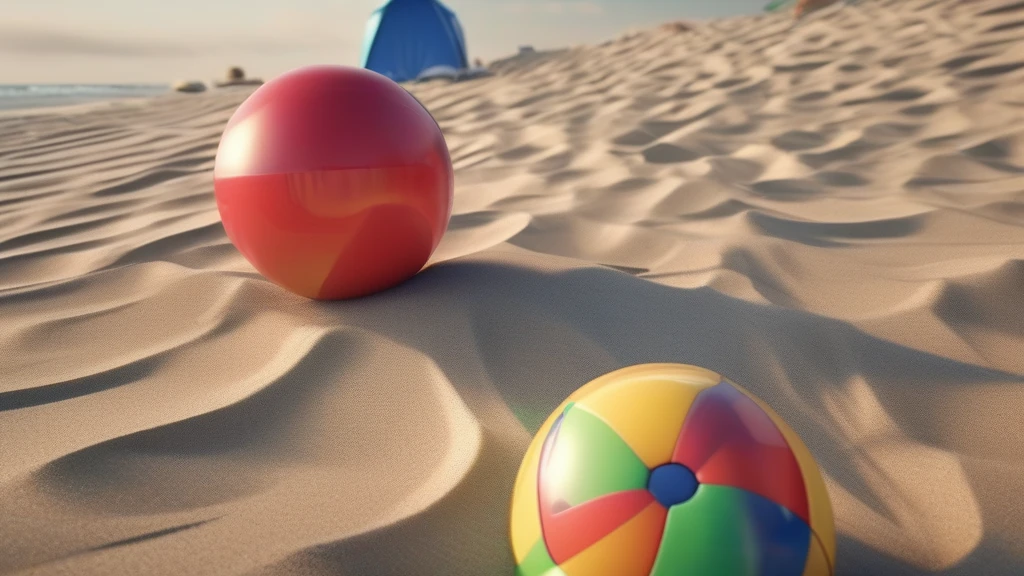
Beach balls are iconic symbols of summer fun, effortlessly combining playfulness, portability, and vibrant colors. Whether tossed around at a family picnic, splashing in a pool, or rolling along a sandy beach, these inflatable toys are designed to maximize outdoor enjoyment. However, not all beach balls are created equal—especially when it comes to the materials used in their construction. Understanding the range of materials and their properties can help you choose a beach ball that is not only durable and safe but also eco-friendly.
In this guide, we explore the common materials used in beach balls, how they affect performance and sustainability, and what to look for if you want a product that lasts and respects the environment.
Understanding the Common Materials in Beach Balls
Polyvinyl Chloride (PVC)
PVC is the most traditional and widely used material for beach balls. It is a type of plastic known for its waterproof nature, flexibility, and durability. PVC beach balls typically feature bright, multi-colored panels that appeal visually to all age groups.
Pros:
- Highly waterproof and resistant to punctures
- Retains shape well when inflated
- Affordable and readily available
Cons:
- Can degrade with prolonged exposure to UV rays unless treated with UV-resistant coatings
- Not inherently eco-friendly due to its synthetic plastic composition and challenging recyclability
Nylon and Polyester Fabrics
Some beach balls incorporate nylon or polyester layers, especially in the outer shell or in reinforced sections. These fabrics provide extra strength, tear resistance, and a textured surface for better grip.
Pros:
- Lightweight and quick-drying
- Enhanced durability and resistance to abrasion
- Often paired with PVC or rubber bladders for inflation
Cons:
- May require additional waterproof coatings
- Typically less flexible than pure PVC designs
Neoprene
Neoprene, a synthetic rubber, is occasionally used in premium beach balls for its soft texture and excellent resistance to water and UV rays.
Pros:
- Superior durability and elasticity
- Comfortable, non-slip surface ideal for active play
- Resistant to sun damage and saltwater corrosion
Cons:
- Generally more expensive
- Heavier than traditional PVC balls, affecting portability
Rubber
Natural or synthetic rubber components appear mainly in valves or reinforcements but can also be part of the main ball material in some designs.
Pros:
- High elasticity and impact resistance
- Provides buoyancy and flexibility
Cons:
- May degrade faster under direct sunlight
- Less common in full ball construction due to weight and cost
The Rise of Eco-Friendly Plastics and Sustainable Alternatives
Environmental concerns are driving manufacturers to innovate beyond traditional plastics. Eco-conscious consumers increasingly seek beach balls made from sustainable or recyclable materials without compromising durability and safety.
Biodegradable Plastics
Some beach balls are now crafted from biodegradable plastics derived from plant-based sources such as cornstarch or sugarcane. These materials break down more quickly in natural environments, reducing plastic pollution.
Considerations:
- Often combined with traditional materials for performance
- May require specific disposal conditions to biodegrade effectively
- Still emerging in the market, so durability comparisons vary
Recyclable and Phthalate-Free PVC
Certain manufacturers focus on producing PVC that is free from harmful phthalates (plasticizers) and formulated to be recyclable. This ensures safer use around children and less environmental impact.
Benefits:
- Maintains traditional PVC advantages
- Complies with stricter safety standards and certifications
- Supports circular economy initiatives when recycled properly
Natural Rubber and Latex Blends
Natural rubber sourced responsibly offers an alternative to synthetic materials. Latex blends can provide a more eco-friendly option for inflatable components, especially valves and seals.
Key Features Enhanced by Material Choices
Understanding the underlying materials helps explain why certain beach balls perform better or last longer in specific conditions.
UV Resistance
Materials treated with UV inhibitors or naturally resistant types like neoprene help prevent fading, cracking, and brittleness caused by sun exposure. This extends the lifespan of your beach ball, especially important for outdoor use.
Tear and Impact Resistance
Durable fabrics like nylon or reinforced PVC layers reduce the risk of punctures and tears during rough play. Textured or anti-slip surfaces improve grip, making the ball easier to catch and throw even when wet.
Safety and Non-Toxicity
Non-toxic coatings and materials free from harmful chemicals are vital for children’s products. Certifications from recognized bodies ensure compliance with safety standards, reassuring parents and guardians.
Balancing Durability and Eco-Friendliness: What to Look For
Choosing a beach ball that balances longevity with environmental responsibility involves considering several factors:
- Material Transparency: Look for detailed product descriptions specifying materials used, including any eco-friendly certifications or sustainability claims.
- Certifications: Seek beach balls that meet safety and environmental standards such as CE, ASTM, TÜV, or ISO certifications.
- Recyclability: Check if the product or its components are recyclable in your region to reduce landfill waste.
- Repairability: Some beach balls come with repair patches, allowing you to fix small punctures and extend the ball’s life rather than discarding it.
- Packaging: Eco-conscious brands often use minimal or recyclable packaging.
Practical Tips for Selecting Your Next Beach Ball
- Consider Usage: For children and casual play, lightweight PVC balls with standard durability suffice. For more intense games or pool parties, opt for reinforced designs with nylon or neoprene.
- Size Matters: Mini balls (~12 inches) are great for kids and group games; jumbo balls (~48 inches) offer more visibility and fun in larger gatherings.
- Nighttime Use: Some beach balls feature glow-in-the-dark or LED light-up options. Ensure that these features are compatible with durable materials and do not compromise safety.
- Inflation Features: Dual-valve systems and quick inflation mechanisms facilitate easy setup. Materials must accommodate repeated inflation without degrading.
- Environmental Impact: Prioritize products that highlight eco-friendly materials and responsible manufacturing to support sustainable play.
Conclusion
Beach balls are more than just colorful toys—they are thoughtfully engineered products that blend material science with user experience. By understanding the characteristics of PVC, nylon, neoprene, rubber, and emerging eco-friendly alternatives, you can make informed choices that enhance fun while minimizing environmental impact.
Whether you’re planning a family beach day, a pool party, or nighttime festivities, selecting a durable, safe, and eco-conscious beach ball ensures your outdoor adventures are memorable and responsible. Keep material quality and sustainability in mind to enjoy endless hours of play that respect both people and the planet.