
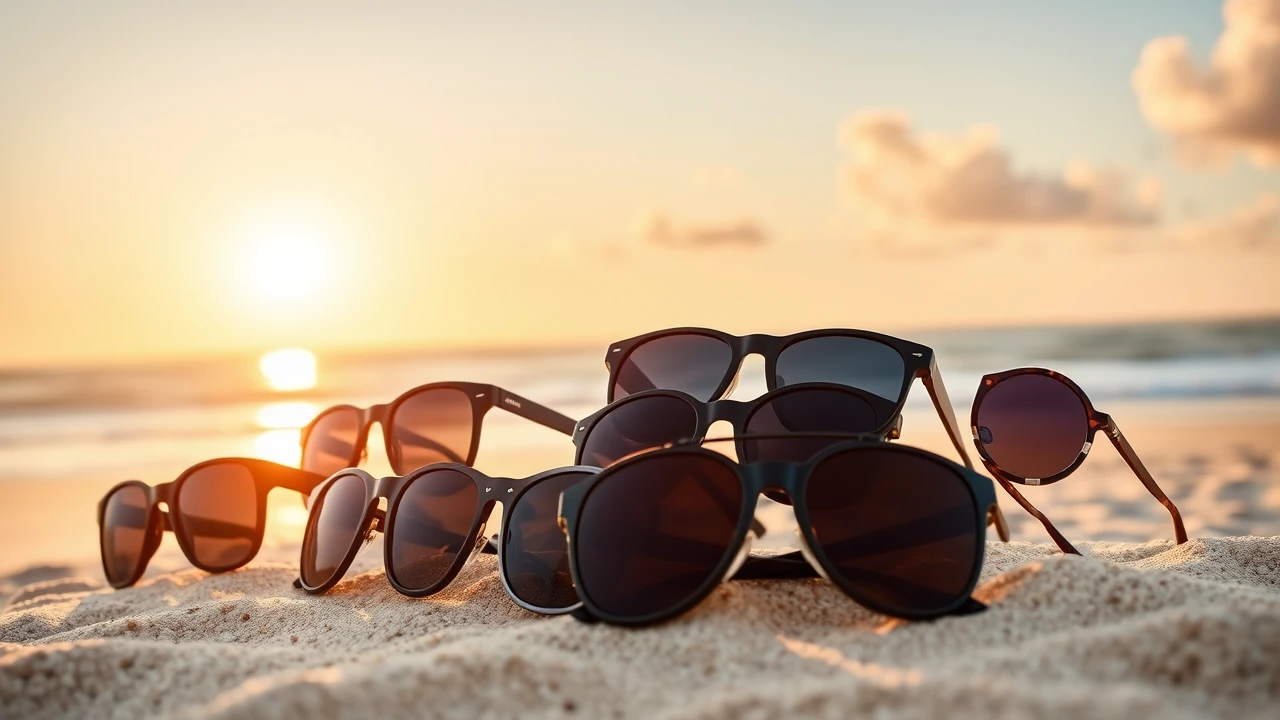
Sunglasses are more than just a practical accessory—they are a statement piece that can elevate your style while protecting your eyes from harmful UV rays. While polarized lenses often steal the spotlight for their glare-reducing capabilities, many fashion-conscious shoppers seek affordable, stylish sunglasses without polarized lenses that still offer excellent eye protection and a trendy look. This article explores the world of non-polarized sunglasses, offering insights on lens technologies, frame styles, and styling tips to help you find the perfect pair that suits your budget and aesthetic.
Understanding Lens Technologies: Beyond Polarization
When choosing sunglasses, lens technology is a key consideration that affects clarity, protection, and comfort. While polarized lenses reduce glare by filtering horizontal light waves, non-polarized lenses offer distinct benefits that can align well with certain fashion and functional preferences.
Non-Polarized Lenses: What You Need to Know
Non-polarized lenses do not have the specialized filter to minimize glare, but they still provide important features:
- UV Protection: Many non-polarized lenses block 100% of UVA and UVB rays, safeguarding your eyes from sun damage.
- Tint Variety: These lenses come in a broad range of colors and tints, from classic gray and brown to vibrant blues and purples, allowing for more expressive and fashion-forward designs.
- Cost-Effectiveness: Without the added manufacturing complexity of polarization, non-polarized sunglasses typically come at a lower price point, making them accessible for budget-conscious shoppers.
- Consistent Vision: Some wearers find that non-polarized lenses offer a more natural viewing experience without the contrast adjustments that polarized lenses impose.
Comparison with Other Lens Technologies
- Photochromic Lenses: These lenses adapt to changing light conditions by darkening in bright sunlight and clearing indoors. While often polarized, photochromic lenses are available in non-polarized options for those seeking versatility without added cost.
- Advanced Contrast Lenses (e.g., Prizm, ChromaPop): Proprietary lens technologies enhance color contrast and visual clarity, often incorporating polarization. Non-polarized versions may still improve color perception but tend to be more limited.
For trend-forward shoppers focusing on style and affordability, non-polarized sunglasses provide an excellent balance of eye protection and aesthetic flexibility.
Choosing Sunglasses Based on Face Shape and Style
Selecting sunglasses that complement your face shape enhances both comfort and appearance. Here’s a quick guide to help you pick frames that flatter your features and reflect your personal style.
Frame Shapes for Different Face Types
- Oval Faces: Lucky you—almost any frame shape works! Try rimless or rectangular frames for a modern, minimalist look.
- Round Faces: Angular frames such as square or rectangular shapes add structure and balance to softer curves.
- Square Faces: Round or oval frames soften strong jawlines and add a touch of sophistication.
- Heart-Shaped Faces: Aviator or cat-eye frames draw attention upward and balance a wider forehead.
- Diamond Faces: Oval or rimless frames highlight your cheekbones and soften the angles.
Style Considerations
- Classic vs. Trendy: Traditional styles like aviators and wayfarers never go out of fashion, while oversized or colorful frames make bold, current statements.
- Frame Material: Lightweight metals offer durability and a sleek look, while acetate frames provide vibrant colors and patterns.
- Lens Colors: Neutral tones like gray and brown offer versatility and true color perception, while mirrored or tinted lenses in blue, green, or pink add playful flair.
Non-polarized sunglasses often come in a wider variety of frame and lens color options, making it easier to match your mood and wardrobe.
The Importance of UV Protection and Eye Health
Regardless of polarization, UV protection is a non-negotiable feature when choosing sunglasses. Prolonged exposure to UVA and UVB rays can contribute to cataracts, macular degeneration, and other eye conditions.
What to Look For in UV Protection
- 100% UV Blocking: Sunglasses should block 100% of both UVA and UVB rays for optimal protection.
- Lens Quality: High-quality lenses scatter UV rays effectively without distorting vision.
- Wraparound Frames: These can provide additional protection by limiting light from entering around the edges.
Affordable non-polarized sunglasses often meet these standards, offering peace of mind for everyday use and outdoor activities.
Styling Tips: Incorporating Sunglasses into Your Everyday and Activity-Specific Outfits
Sunglasses are a versatile accessory that can complement various looks, from casual to chic.
Everyday Wear
- Pair classic black or tortoiseshell frames with neutral outfits for a timeless ensemble.
- Use colorful lenses or bold frames to add a pop of personality to minimalist wardrobes.
- Match frame shapes to your hairstyle or jewelry for cohesive styling.
Activity-Specific Looks
- For beach days, opt for oversized frames with vibrant lens colors to channel a fun, sunny vibe.
- Urban explorers can choose sleek, rimless designs that combine practicality with modern aesthetics.
- Casual drivers benefit from brown or gray lenses that reduce eye strain without polarized filters.
Experimenting with different styles allows you to express yourself while protecting your eyes.
Frame Types and Materials: Comfort and Durability Considerations
Choosing the right frame material can greatly affect comfort and longevity, especially for daily wear.
Common Frame Materials
- Acetate: Offers a wide range of colors and patterns, lightweight yet sturdy.
- Metal: Slim, durable, and adjustable, ideal for classic and minimalist designs.
- Plastic: Affordable and versatile, available in many shapes and finishes.
- Combination Frames: Mix materials for a unique look and versatile wear.
Comfort Tips
- Look for adjustable nose pads and spring hinges for a customizable fit.
- Lightweight frames reduce pressure on the nose and ears during extended use.
- Consider frame width and temple length to avoid slipping or tightness.
Affordable non-polarized sunglasses often feature these quality materials and comfort-enhancing design elements.
Use-Case Scenarios: Performance of Non-Polarized Sunglasses in Outdoor Activities
While non-polarized lenses don’t reduce glare as effectively, they still perform well in many scenarios:
- Casual Outdoor Use: Perfect for strolls, shopping, or social events where style takes precedence.
- Driving: Non-polarized lenses with appropriate tints can reduce brightness without the distortion some drivers experience with polarized lenses.
- Beach and Poolside: UV-protective lenses shield eyes from harmful rays; colorful tints complement vibrant surroundings.
- Urban Exploration: Lightweight and stylish frames allow comfortable wear during city adventures.
For activities requiring intense glare reduction—like fishing or skiing—polarized lenses may be more suitable, but for everyday fashion and protection, non-polarized sunglasses provide a balanced, affordable choice.
Conclusion
Stylish sunglasses without polarized lenses offer a compelling option for trend-forward shoppers seeking affordable eyewear that blends fashion with essential eye protection. By understanding lens technologies, selecting frames suited to your face shape and style, prioritizing UV protection, and considering comfort and durability, you can confidently choose sunglasses that elevate your look and safeguard your vision. Whether you prefer classic silhouettes or bold colors, non-polarized sunglasses deliver versatility and value without compromising on style or function.