
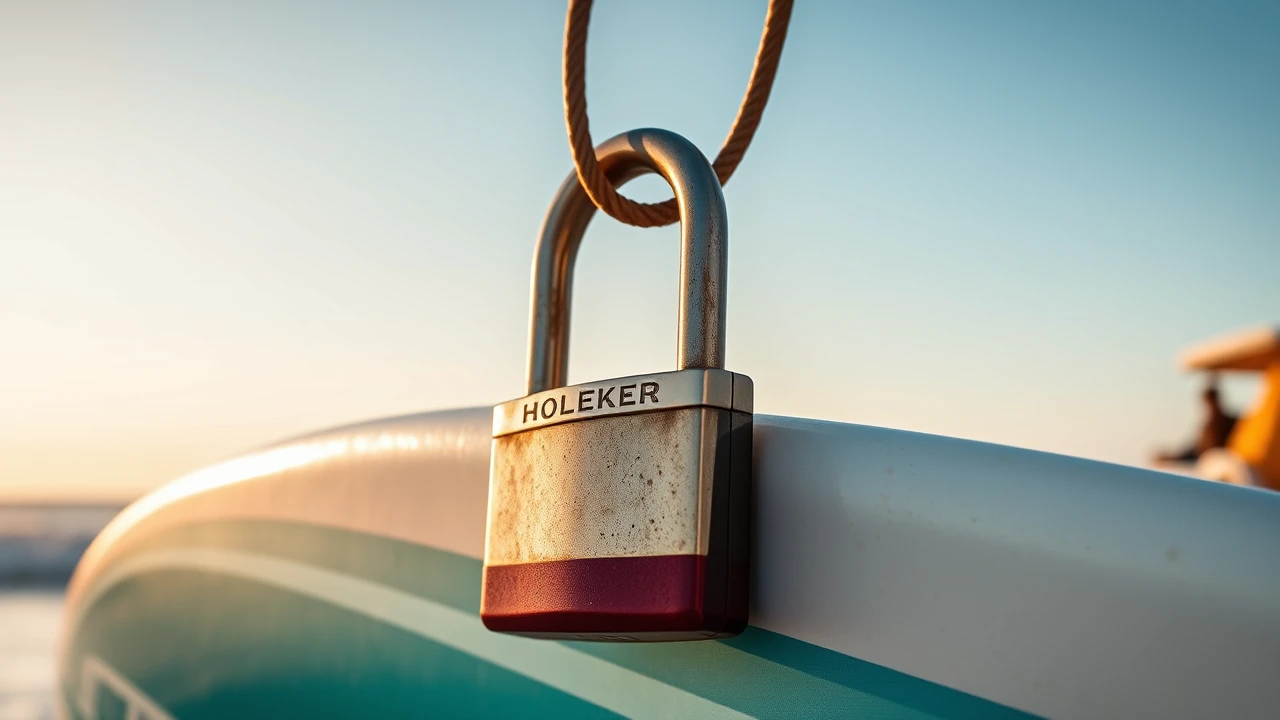
When it comes to protecting your valuable surf gear and outdoor equipment, choosing the right lock is crucial. Whether you’re a casual beachgoer or a dedicated water sports enthusiast, safeguarding your belongings against theft and harsh coastal conditions demands more than just any lock off the shelf. Fortunately, you don’t have to sacrifice quality for affordability. In this article, we’ll explore how to find durable, high-quality locks that fit your budget while providing reliable security for your gear.
Understanding the Unique Challenges of Coastal Security
Before diving into lock types and features, it’s important to recognize the specific demands of securing equipment near the ocean or in outdoor environments:
- Saltwater Corrosion: Exposure to saltwater and salty air accelerates rust and material degradation in standard locks.
- Extreme Weather: Sun, rain, sand, and temperature fluctuations can weaken lock components over time.
- Rugged Usage: Locks for surfboards, wetsuits, and beach lockers face rough handling and frequent transport.
- Theft Risks: Popular outdoor gear is often targeted by opportunistic thieves during surf sessions or beach visits.
These factors mean that locks designed for marine and outdoor use need to be both tough and corrosion-resistant—qualities sometimes overlooked in cheaper models.
Key Features to Look for in Affordable, Durable Locks
When shopping for a lock that balances cost and performance, focus on the following critical attributes:
Corrosion-Resistant Materials
A lock’s ability to withstand saltwater corrosion is paramount. Look for locks made from materials such as:
- Stainless Steel: Naturally resistant to rust and strong enough to resist cutting or prying.
- Brass Components: Often used in locking cylinders for smooth operation and corrosion resistance.
- Hardened Steel with Protective Coatings: Zinc or chrome plating can enhance durability, but check for marine-grade finishes.
Avoid locks with plain steel shackles or bodies that lack protective coatings, as these will degrade quickly in coastal environments.
Heavy-Duty Construction
Durability goes beyond corrosion resistance. The lock should be built to resist physical attacks:
- Thick, Hardened Shackles: Shackles should be robust enough to resist bolt cutters and impact.
- Solid Lock Bodies: Avoid hollow or thin casings prone to breaking.
- Reinforced Mechanisms: Internal parts should be designed to prevent tampering or picking.
User-Friendly Locking Mechanisms
Convenience matters, especially when you’re managing gear on the go:
- Keyed Padlocks: Offer high security and ease of use but require keeping track of keys.
- Combination Locks: Eliminate keys and often feature resettable codes, offering flexibility and quick access.
- Easy Reset Options: For combination locks, look for simple reset functions without special tools.
Selecting a mechanism that fits your preference and lifestyle helps ensure you actually use the lock consistently.
Weatherproof and Portable Design
Given active, outdoor use, a lock should be:
- Waterproof or Sealed: To protect internal mechanisms from moisture ingress.
- Compact and Lightweight: Facilitating easy transport without adding bulk.
- Dust and Sand Resistant: Minimizing jamming caused by debris common at beaches.
Comparing Keyed vs. Combination Locks for Surf Gear Security
Choosing between keyed and combination locks often comes down to personal preference and use case.
Keyed Locks
Pros:
- Typically offer stronger security due to complex locking cylinders.
- No risk of forgetting a combination.
- Often preferred for high-value gear or longer-term storage.
Cons:
- Keys can be lost or misplaced.
- Carrying spare keys is necessary.
- May require more maintenance to prevent corrosion in the keyhole.
Combination Locks
Pros:
- No keys to carry or lose.
- User-set codes allow easy sharing or changing of combinations.
- Quick access during active sessions.
Cons:
- Combinations can be forgotten if not noted.
- Some lower-quality models may be easier to pick.
- Resetting combinations varies in difficulty depending on design.
For surfers and beachgoers who want quick, keyless access to their gear, a well-made combination lock with a resettable code is often ideal. Meanwhile, those prioritizing maximum security might lean toward a corrosion-resistant keyed padlock.
Practical Tips for Securing Your Surf Gear
Even the best lock won’t protect your gear if not used thoughtfully. Here are some actionable tips:
- Choose Visible Locations: Secure gear where it can be easily seen by others to deter thieves.
- Lock Multiple Items Together: Use a cable lock or chain with padlocks to bundle boards, wetsuits, and bags.
- Avoid Obvious or Easy Access Points: Don’t lock gear in hidden or hard-to-monitor spots.
- Regularly Inspect Your Locks: Check for signs of corrosion, wear, or damage and replace locks as needed.
- Use Multiple Layers of Security: Combine locks with other methods like GPS trackers or alarms for higher-value gear.
Maintaining Your Lock for Long-Lasting Performance
To ensure your lock stays reliable season after season, follow these maintenance practices:
- Rinse with Fresh Water: After exposure to saltwater, rinse locks thoroughly to remove salt deposits.
- Lubricate Moving Parts: Use silicone-based lubricants to keep mechanisms smooth and prevent rust. Avoid oil-based lubricants that attract dirt.
- Store in Dry Places: When not in use, keep locks away from moisture and direct sunlight.
- Check Combinations and Keys Regularly: Confirm your code works and keys are intact before heading out.
Conclusion
Finding a lock that combines affordability with durability is entirely possible with the right approach. By prioritizing corrosion resistance, heavy-duty construction, and user-friendly mechanisms, you can protect your surf gear and outdoor equipment effectively without overspending. Understanding the differences between keyed and combination locks, practicing smart security habits, and maintaining your lock will extend its lifespan and ensure peace of mind during your beach adventures.
Investing in a quality lock tailored for marine environments ultimately safeguards your valuable gear, letting you focus on enjoying the waves and the outdoors with confidence.