
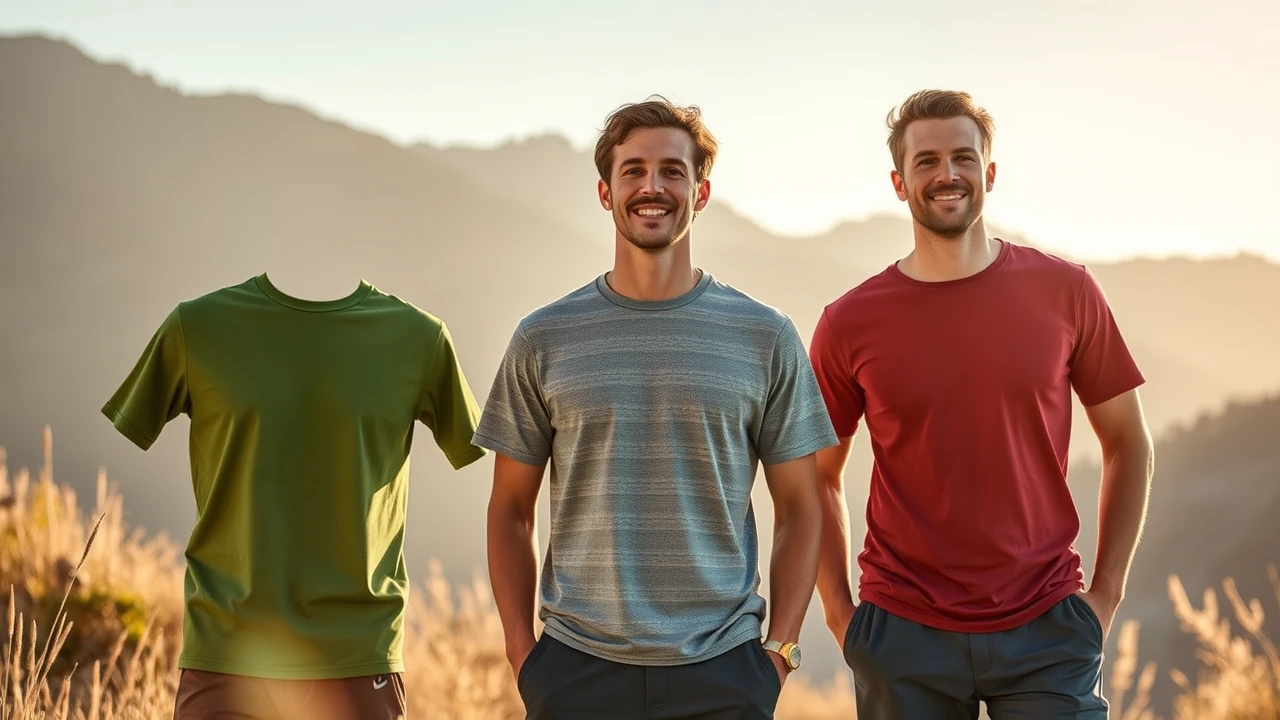
When choosing the perfect activewear t-shirt, the fabric you select is just as important as the fit or style. The right material can significantly impact your comfort, performance, and even your environmental footprint. Among the many fabric options on the market, bamboo, Merino wool, and organic cotton stand out for their unique qualities and sustainability credentials. This article delves into the benefits and drawbacks of each fabric, helping you decide which activewear t-shirt material is best suited to your lifestyle and activities.
Understanding the Role of Fabric in Activewear T-Shirts
Activewear t-shirts are designed to support a range of activities—from high-intensity workouts and outdoor adventures to travel and casual office wear. Key fabric qualities include:
- Breathability: Allowing air circulation to keep you cool.
- Moisture-Wicking & Quick-Drying: Pulling sweat away from the skin and drying rapidly.
- Odor Resistance: Preventing build-up of unpleasant smells.
- Durability & Stretch: Withstanding wear and enabling freedom of movement.
- Eco-Friendliness: Minimizing environmental impact through sustainable sourcing and manufacturing.
Bamboo, Merino wool, and organic cotton each bring a distinct mix of these features, making them popular choices for eco-conscious consumers seeking multifunctional activewear.
Bamboo Fabric: Softness and Sustainability
What Is Bamboo Fabric?
Bamboo fabric is made from the pulp of bamboo grass. It can be processed mechanically or chemically to create fibers that are soft, breathable, and lightweight.
Key Benefits
- Soft and Comfortable: Bamboo fabric is known for its silky texture, often compared to rayon or modal, making it gentle on skin during prolonged wear.
- Natural Moisture-Wicking: Bamboo fibers effectively draw moisture away from the body, helping you stay dry during workouts or travel.
- Antibacterial and Odor-Resistant: Bamboo contains natural antimicrobial properties that reduce odor-causing bacteria, ideal for multi-day use.
- UV Protection: Bamboo fabric offers a degree of protection from harmful ultraviolet rays, which is beneficial for outdoor activities.
- Eco-Friendly Growth: Bamboo plants grow rapidly without pesticides or fertilizers and require minimal water, making the raw material highly sustainable.
Considerations
- Processing Impact: Some bamboo fabrics undergo chemical processing (viscose/rayon), which can diminish environmental benefits unless responsibly managed.
- Durability: Bamboo fabrics may be less abrasion-resistant compared to synthetic blends, so consider intended use and care instructions.
Merino Wool: Performance Meets Natural Comfort
What Is Merino Wool?
Merino wool is a fine, soft wool harvested from Merino sheep. Unlike traditional wool, it’s much finer and less itchy, making it suitable for activewear worn close to the skin.
Key Benefits
- Outstanding Temperature Regulation: Merino wool naturally adjusts to body temperature, keeping you warm in cold conditions and cool when it’s hot.
- Excellent Moisture Management: It can absorb up to 30% of its weight in moisture without feeling wet, effectively managing sweat during intense exertion.
- Odor Resistance: The wool’s natural lanolin content inhibits bacterial growth, allowing wearers to use garments multiple times between washes.
- Durability and Stretch: Merino wool fibers are elastic and resilient, maintaining shape even through frequent movement.
- Biodegradable and Renewable: As an animal-derived fiber, Merino wool is fully biodegradable and sourced through sustainable farming practices when certified.
Considerations
- Care Requirements: Merino wool typically requires gentle washing to maintain its properties and avoid shrinkage.
- Price Point: Often more expensive than plant-based fabrics due to sourcing and processing.
Organic Cotton: Classic Comfort with a Green Twist
What Is Organic Cotton?
Organic cotton is grown without synthetic pesticides or fertilizers, using farming methods that promote soil health and reduce environmental impact. It’s a natural fiber widely used in activewear for its breathability and comfort.
Key Benefits
- Softness and Breathability: Organic cotton is gentle on the skin and allows for good air circulation, making it comfortable for both workouts and casual wear.
- Hypoallergenic: Less likely to cause skin irritations or allergies due to absence of harsh chemicals.
- Sustainable Farming: Supports biodiversity and reduces water pollution compared to conventional cotton farming.
- Durability: Organic cotton fabrics tend to be strong and can withstand regular washing and wear.
- Ease of Care: Machine washable and generally wrinkle-resistant, organic cotton fits well into busy lifestyles.
Considerations
- Moisture Management: Cotton tends to absorb moisture rather than wick it away, which can leave you feeling damp during high-intensity activities.
- Drying Time: Organic cotton takes longer to dry compared to bamboo or Merino wool, which may be less convenient for travelers or gym-goers.
How to Choose the Right Fabric for Your Active Lifestyle
For High-Intensity Workouts and Outdoor Activities
If you engage in running, hiking, or gym workouts where sweat management and odor control are critical, Merino wool and bamboo are excellent choices. Merino wool’s temperature regulation and odor resistance make it especially versatile across seasons, while bamboo offers softness and natural antibacterial benefits. Organic cotton may feel comfortable but can retain moisture longer, which might be less ideal for intense sweating.
For Travel and Multi-Day Use
Travel demands fabrics that stay fresh longer and dry quickly. Merino wool’s odor resistance and temperature adaptability make it a standout for multi-day wear without frequent washing. Bamboo’s softness and quick-drying nature also support easy packing and comfort on the go. Organic cotton’s comfort is a plus, but slower drying may require extra planning.
For Casual and Office Wear with Eco-Consciousness
Organic cotton activewear t-shirts fit nicely into casual and office environments, offering a familiar feel with sustainability credentials. Bamboo fabrics can also transition well between casual and active settings due to their smooth texture and subtle sheen. Merino wool, while typically associated with performance, is increasingly featured in stylish, slim-fit designs suitable for professional wear.
Caring for Your Sustainable Activewear T-Shirts
Proper care can extend the life and performance of your bamboo, Merino wool, or organic cotton t-shirts:
- Bamboo: Machine wash on gentle cycles with mild detergent; avoid bleach and fabric softeners to preserve softness and antimicrobial properties.
- Merino Wool: Hand wash or use wool-specific machine cycles in cold water; lay flat to dry to prevent shrinking.
- Organic Cotton: Machine washable with like colors; tumble dry low or air dry to maintain fabric integrity.
Using non-toxic detergents and avoiding excessive heat or harsh chemicals supports both fabric longevity and environmental goals.
Final Thoughts: Balancing Performance, Comfort, and Sustainability
Selecting the best activewear t-shirt fabric comes down to your specific needs and preferences. Bamboo offers luxurious softness and eco-friendly appeal, Merino wool excels in performance versatility and odor control, and organic cotton provides classic comfort with sustainable farming benefits.
By understanding the unique features of each fabric, you can make an informed choice that enhances your active lifestyle while supporting environmental responsibility. Whether hitting the trails, commuting, or working out, there’s an eco-conscious activewear t-shirt fabric designed to keep you comfortable and confident every step of the way.