
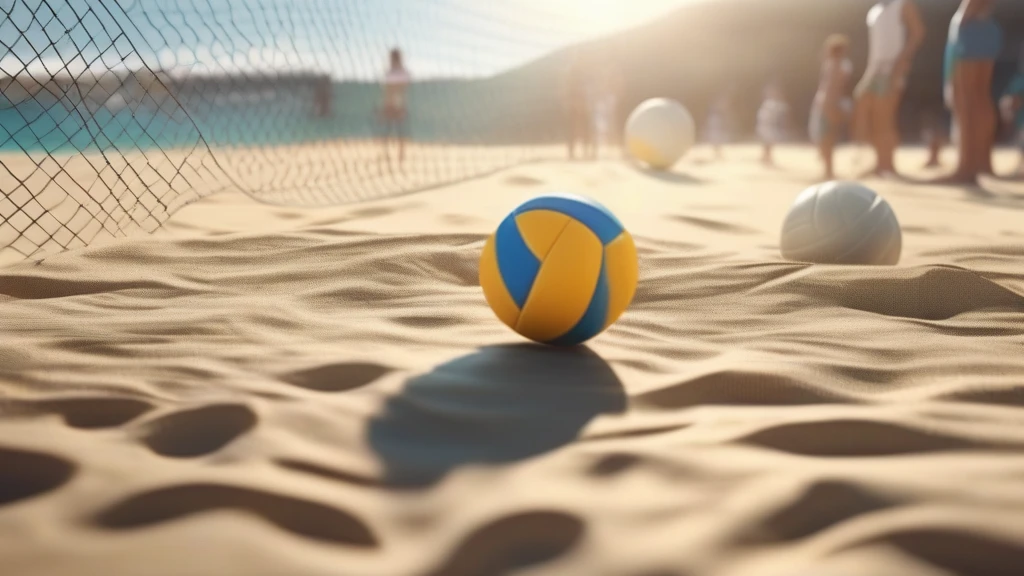
Playing volleyball on the beach offers a unique and exhilarating experience, blending athleticism with the beauty of the outdoors. However, the sandy, sunny environment also poses specific challenges for your volleyball equipment. Choosing the right ball—one that is waterproof and UV-resistant—is essential for consistent performance and durability. This guide explores the key factors to consider when selecting beach volleyballs designed for outdoor play, helping you make informed decisions for your next game.
Understanding the Demands of Beach Volleyball
Beach volleyball differs significantly from indoor play, not only in surface and conditions but also in how the ball behaves. Sand, saltwater, sun exposure, and fluctuating temperatures can degrade an ordinary volleyball quickly. Therefore, beach volleyballs are engineered with specialized features to withstand these environmental stresses.
Why Waterproof and UV-Resistant Features Matter
- Waterproofing prevents water absorption, which can increase the ball’s weight, affect bounce consistency, and cause material damage over time.
- UV resistance protects the ball’s surface from fading, cracking, and weakening due to prolonged exposure to sunlight, ensuring the ball maintains its structural integrity and appearance.
Without these features, regular volleyballs may lose shape, develop leaks, or become slippery, negatively impacting gameplay and requiring frequent replacement.
Key Features of Quality Beach Volleyballs
When selecting a volleyball for beach play, consider the following characteristics that contribute to durability and performance:
1. Material Composition
Beach volleyballs typically utilize composite or synthetic leather materials treated for water repellency and UV protection. These materials offer several advantages:
- Durability: Resistant to abrasions from sand and rough handling.
- Lightweight feel: Easier to control and less tiring during long matches.
- Soft touch: Reduces impact discomfort during digs and volleys.
Avoid balls made from untreated leather or cheaper plastics, as they tend to degrade faster outdoors.
2. High Air Retention Bladders
The bladder inside the volleyball influences bounce and responsiveness. For beach volleyballs, butyl bladders are preferred over latex because they retain air longer, minimizing the need for frequent inflation. Consistent internal pressure ensures predictable ball behavior, which is crucial during fast-paced outdoor matches.
3. Reinforced Stitching and Panel Construction
Beach volleyballs often feature reinforced stitching or thermally bonded panels that resist tearing and unraveling. High-tension panel assemblies help maintain the ball’s shape and prevent water ingress through seams.
4. Textured, Anti-Slip Surface
A textured surface enhances grip, especially when hands are sandy or wet. Look for balls with a slightly rough or dimpled finish designed to improve ball control and reduce slipping during serves, passes, and spikes.
5. Regulation Size and Weight
Ensure the ball meets official size and weight standards for beach volleyball. Regulation balls typically have a circumference of about 66–68 cm and weigh between 260–280 grams. Certified balls conforming to organizations like FIVB or NCAA guarantee standardized play.
Additional Considerations for Choosing Your Beach Volleyball
Skill Level and Usage
- Professional and tournament play: Opt for FIVB-certified balls designed for optimal flight, feel, and durability.
- Training and recreational use: Training balls with slightly adjusted weights or softer materials can help beginners develop skills with less impact on joints.
- Practice balls: Some models offer adjustable pressure settings or come in different sizes to simulate various game scenarios.
Environmental Sustainability
With growing awareness of environmental impact, many manufacturers incorporate eco-friendly materials such as recyclable composites and use non-toxic coatings. Selecting sustainably made volleyballs supports environmental responsibility while maintaining quality.
Maintaining Your Beach Volleyball for Longevity
Proper care extends the life of your waterproof, UV-resistant ball. Here are some practical maintenance tips:
Inflation and Storage
- Inflate the ball to the recommended pressure, avoiding over- or under-inflation that can damage the bladder.
- Store the ball in a cool, dry place away from direct sunlight after use to prevent UV degradation.
- Avoid leaving the ball in hot cars or exposed to extreme temperature changes.
Cleaning and Repair
- Rinse off sand and saltwater after play using fresh water to prevent abrasive damage.
- Wipe the surface gently with a soft cloth and mild soap if necessary.
- Use repair kits designed for volleyballs to patch minor punctures or leaks promptly.
Conclusion
Selecting the right beach volleyball involves more than just picking a ball that looks good. Prioritizing waterproof and UV-resistant features ensures durability, consistent performance, and enjoyment during outdoor matches. By understanding the materials, construction, and certification standards, players and coaches can choose balls tailored to their needs, skill levels, and environmental considerations. Coupled with proper maintenance, investing in a quality beach volleyball enhances your playing experience and keeps you ready for every serve, spike, and dig under the sun.