
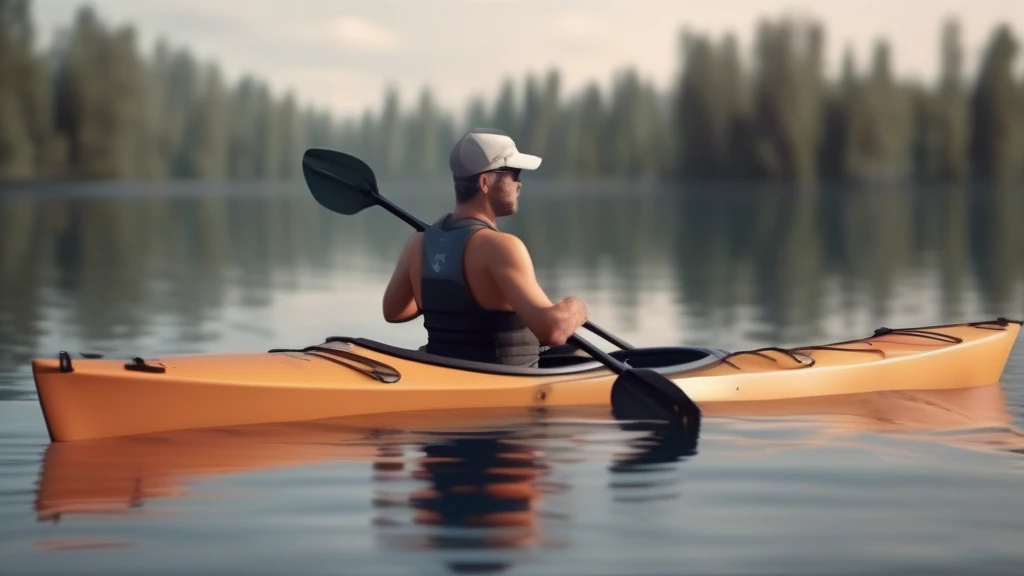
Flatwater kayaking offers an excellent way to build endurance and strength while enjoying the tranquility of calm water environments. Whether paddling on a serene lake, a gentle river, or a sheltered bay, flatwater kayaks provide the ideal platform for beginners to develop fitness through a low-impact, full-body workout. This comprehensive guide introduces a beginner-friendly fitness plan that leverages the unique benefits of flatwater kayaking to improve cardiovascular health, muscular strength, and mental well-being.
Why Choose Flatwater Kayaking for Fitness?
Flatwater kayaks are specifically designed for calm water conditions, offering stability, comfort, and ease of use. Their lightweight and durable construction, often made from materials like fiberglass, carbon fiber, and rotomolded polyethylene, allows for effortless transport and assembly. This accessibility makes flatwater kayaking a practical fitness activity for those new to paddling or outdoor exercise.
Unlike roughwater or whitewater kayaks, flatwater models emphasize smooth tracking and stability, reducing the risk of capsizing and ensuring a comfortable paddling experience. Adjustable seating and ergonomic paddle options enhance efficiency and reduce fatigue, allowing beginners to focus on building endurance and strength safely.
Understanding the Fitness Benefits of Flatwater Kayaking
Kayaking is a full-body workout that targets multiple muscle groups and enhances cardiovascular fitness:
- Cardiovascular Endurance: Continuous paddling elevates heart rate in a controlled manner, improving heart and lung capacity.
- Upper Body Strength: The repetitive paddling motion engages the shoulders, arms, back, and chest muscles.
- Core Stability: Maintaining balance and executing powerful strokes activate abdominal and lower back muscles.
- Leg Engagement: Although less obvious, legs help stabilize the kayak and assist in turning and maintaining posture.
- Low-Impact Exercise: The seated position and smooth water reduce joint strain, making it suitable for various fitness levels.
Beginner’s Weekly Fitness Plan Using Flatwater Kayaking
Starting a fitness routine with flatwater kayaking involves gradually increasing duration and intensity to build endurance and strength without overexertion. Here’s a sample four-week plan tailored for beginners:
Week 1: Getting Comfortable on the Water
- Frequency: 2 sessions
- Duration: 20–30 minutes per session
- Focus: Learn basic paddling techniques, practice balance, and build confidence.
- Tips: Use calm water and flatwater kayaks with stable hull designs. Focus on smooth, controlled paddle strokes and comfortable seating adjustments.
Week 2: Building Endurance and Form
- Frequency: 3 sessions
- Duration: 30–40 minutes per session
- Focus: Increase paddling time, incorporate steady pacing, and maintain proper posture.
- Tips: Experiment with feathered paddles to reduce wind resistance. Use rudder systems if available to aid steering and reduce energy expenditure.
Week 3: Introducing Interval Training
- Frequency: 3–4 sessions
- Duration: 40–50 minutes per session
- Focus: Alternate between moderate paddling and short bursts of increased effort to boost cardiovascular fitness.
- Tips: On flatwater, choose a straight course and paddle hard for 1–2 minutes, followed by 3–4 minutes of easy paddling. Repeat 4–5 times per session.
Week 4: Enhancing Strength and Endurance
- Frequency: 4 sessions
- Duration: 50–60 minutes per session
- Focus: Combine steady-state paddling with longer interval sets, and practice turning techniques to engage core muscles.
- Tips: Use spray skirts and deck bungees to carry small weights or hydration packs for added resistance and convenience.
Essential Tips for Maximizing Fitness Gains and Safety
Select the Right Flatwater Kayak
Choosing the appropriate kayak affects your comfort and effectiveness during workouts. Beginners should look for:
- Stability: Wider hulls provide better balance.
- Lightweight Materials: Easier to carry and launch.
- Adjustable Seating: Supports proper posture and reduces fatigue.
- Storage Options: Useful for carrying hydration and snacks.
Prioritize Proper Paddling Technique
Efficient strokes minimize injury risk and maximize workout benefits:
- Engage your torso by rotating your upper body with each stroke.
- Use a relaxed grip on the paddle to avoid forearm strain.
- Keep your shoulders down and avoid hunching.
Maintain Your Kayak for Longevity
Preserving your kayak’s UV resistance and durability ensures consistent performance:
- Rinse with fresh water after each use to remove salt and debris.
- Store in shaded areas to prevent sun damage.
- Inspect for cracks or damage regularly.
Incorporate Cross-Training and Recovery
Complement kayaking workouts with flexibility exercises, strength training, and adequate rest to enhance overall fitness and prevent overuse injuries.
Additional Considerations for Beginners
Solo vs Tandem Kayaks
Solo flatwater kayaks offer greater control and a personalized workout pace, while tandem kayaks can provide social motivation and shared effort, especially beneficial for beginners building confidence.
Transport and Assembly
Lightweight kayaks with integrated handles or shoulder straps simplify transport, encouraging consistent practice. Most flatwater kayaks assemble quickly (within 5–20 minutes), making them ideal for spontaneous fitness sessions.
Safety and Certifications
Look for kayaks with recognized safety certifications like US Coast Guard or ISO standards to ensure reliability. Wearing personal flotation devices and understanding local water regulations are essential for safe paddling.
Conclusion
Flatwater kayaking presents a rewarding fitness opportunity for beginners seeking to improve endurance and strength in a serene outdoor setting. By selecting the right kayak, practicing proper technique, and following a structured fitness plan, newcomers can enjoy a progressive, full-body workout that supports both physical health and mental well-being. Whether exploring peaceful lakes or winding rivers, flatwater kayaking can become a cornerstone of a balanced, active lifestyle.