
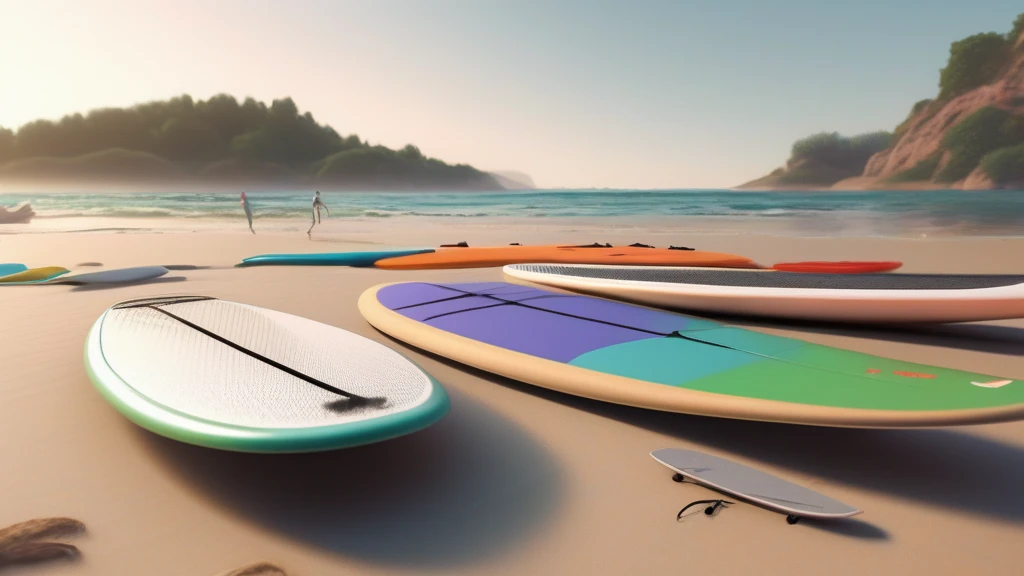
Stand-up paddleboarding (SUP) has surged in popularity as an accessible and enjoyable water sport for people of all ages and skill levels. Whether you’re seeking a tranquil paddle on calm lakes, a vigorous fitness workout, or an adventurous ocean excursion, selecting the right paddleboard is key to a rewarding experience. For beginners especially, understanding the core features of paddleboards—such as hull types, construction materials, and fin systems—can simplify the decision-making process and set the stage for success on the water.
This guide breaks down these fundamental aspects of paddleboards to help you confidently choose the perfect board tailored to your needs and preferences.
Understanding Paddleboard Hull Types: Stability vs. Speed
The hull—the shape of the paddleboard’s underside—greatly influences how the board performs in different water conditions and for varying uses. There are two primary hull designs to consider:
1. Planing Hulls: Versatility and Stability
- Description: Planing hulls have a flat or slightly curved bottom that allows the board to glide on top of the water.
- Best For: Beginners, yoga practitioners, casual paddling, and surfing small waves.
- Advantages:
- Exceptional stability, making it easier for novices to balance.
- Great for activities that require stillness or slow movement.
- Responsive and maneuverable in calm waters.
- Considerations: Planing hulls are generally slower and less efficient over long distances compared to displacement hulls.
2. Displacement Hulls: Efficiency and Speed
- Description: Characterized by a pointed nose and a narrower profile, displacement hulls cut through water rather than riding on top.
- Best For: Touring, racing, and long-distance paddling.
- Advantages:
- Superior tracking and glide, helping maintain speed with less effort.
- Ideal for covering greater distances or tackling choppy waters.
- Considerations: These boards tend to be less stable initially, requiring better balance and technique, so they may challenge beginners.
Hybrid Hulls: A Balanced Approach
Some paddleboards blend characteristics of both hull types to provide a compromise between stability and speed. These hybrids are excellent for intermediate paddlers who want versatility without sacrificing performance.
Materials Matter: Durability, Weight, and Portability
The construction material of a paddleboard affects its weight, durability, stiffness, and ease of transport. Here’s an overview of the most common materials:
1. Inflatable Paddleboards (iSUPs)
- Material: Typically made from high-quality PVC with drop-stitch fabric inside for rigidity.
- Advantages:
- Lightweight and portable; easy to deflate, fold, and store.
- Durable and resistant to dings, making them ideal for beginners and family use.
- Quick inflation (usually within 5–10 minutes) with a hand or electric pump.
- Considerations:
- Slightly less rigid than solid boards, which can affect performance in rough water.
- Requires regular cleaning and drying to prevent mold and prolong lifespan.
2. Solid Paddleboards
- Material: Constructed from fiberglass, epoxy resin, carbon fiber reinforcements, or hybrid composites.
- Advantages:
- Superior stiffness and responsiveness, favored for racing and surfing.
- Enhanced durability against abrasion and impacts.
- Often designed with advanced shapes and features.
- Considerations:
- Heavier and less portable; require roof racks or trailers for transport.
- More prone to damage from impacts or improper handling.
3. Hybrid and Eco-Friendly Materials
Some modern paddleboards incorporate sustainable materials such as biodegradable coatings, recycled plastics, or sustainably sourced wood veneers combined with traditional composites. These options appeal to environmentally conscious paddlers without compromising performance.
Fin Systems: Enhancing Control and Tracking
Fins play a crucial role in a paddleboard’s stability, steering, and speed. The fin setup you choose should align with your paddling style and conditions.
Single Fin Setup
- Description: One large fin positioned near the tail.
- Best For: Beginners and casual paddlers who prioritize stability and ease of use.
- Benefits: Simplifies tracking in a straight line and improves overall balance.
Dual Fin (2-Fin) Setup
- Description: Two fins placed on either side of the board’s rear.
- Best For: Surfing and maneuvering in waves; provides quicker turns.
- Benefits: Enhances agility and responsiveness but may reduce straight-line tracking.
Tri-Fin (Thruster) Setup
- Description: Three fins—one center fin and two smaller side fins.
- Best For: Surfing, racing, and touring.
- Benefits: Offers a balanced combination of stability, tracking, and maneuverability, making it versatile across conditions.
Removable and Adjustable Fins
Many boards feature quick-lock or slide-in fin systems that allow users to change or remove fins depending on usage or transport needs. This flexibility can enhance board performance and convenience.
Matching Paddleboard Features to Your Needs
When choosing a paddleboard, consider how the hull type, materials, and fin system align with your intended use and skill level:
- For Beginners and Families: Inflatable SUPs with a planing hull and single fin offer the most stability, portability, and ease of use.
- For Fitness and Yoga: Wide, stable boards with textured, non-slip deck pads and planing hulls provide a safe platform for balance exercises.
- For Touring and Adventure: Displacement hulls with tri-fin setups and solid or hybrid materials optimize speed, tracking, and cargo capacity.
- For Surfing: Planing or hybrid hulls paired with dual or tri-fin systems enhance maneuverability on waves.
- For Racing: Narrow displacement hulls constructed from lightweight composites and outfitted with tri-fin systems maximize speed and efficiency.
Final Thoughts: Setting Yourself Up for Success
Selecting your first paddleboard can feel overwhelming, but focusing on these core elements—hull design, materials, and fin configuration—brings clarity to your decision. Remember to factor in your paddling goals, typical water conditions, storage and transport options, and budget.
Beyond the board itself, investing time in learning basic paddling techniques, safety protocols, and maintenance routines will enhance your enjoyment and longevity on the water.
With the right knowledge and the perfect paddleboard in hand, you’re ready to embark on countless adventures exploring lakes, rivers, and oceans—one paddle stroke at a time.